
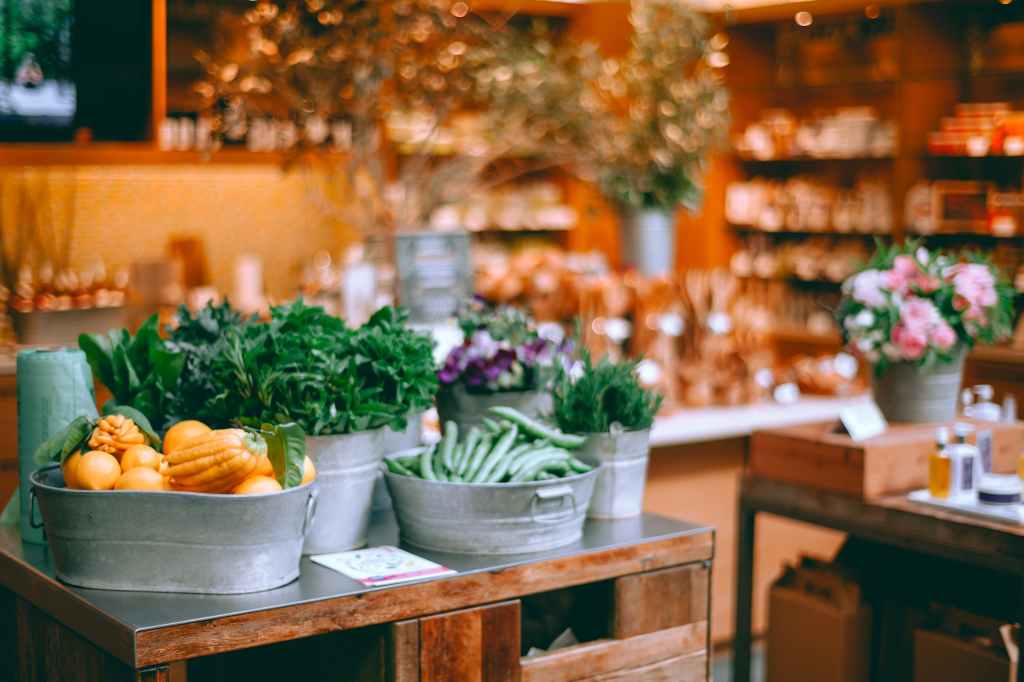
Although becoming more mainstream with time, only some have access or funds to do their groceries in zero-waste supermarkets. Yet, making your groceries run more sustainably and with zero waste in mind is possible. Remembering that a zero-waste lifestyle is a journey, not a destination, here are some tips for transforming your grocery shopping into a zero-waste heaven.
Use reusable grocery bags.
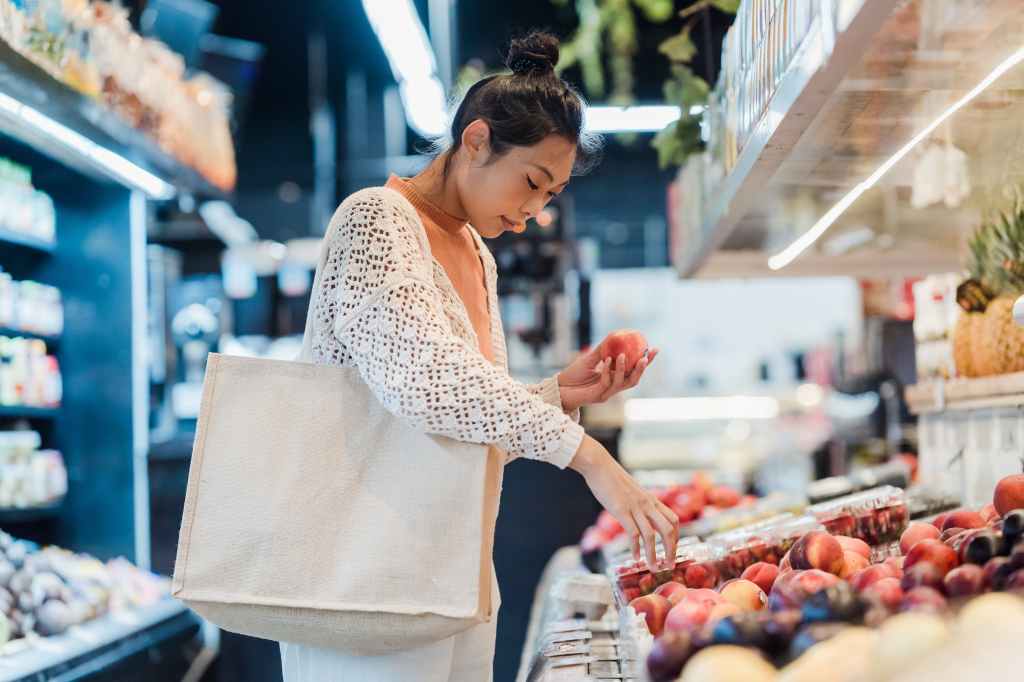
Say no to plastic bags and use reusable grocery bags. Keep them with you in your car, bike, purse, or backpack, and always remember them.
Opt for recyclable and reusable packaging.
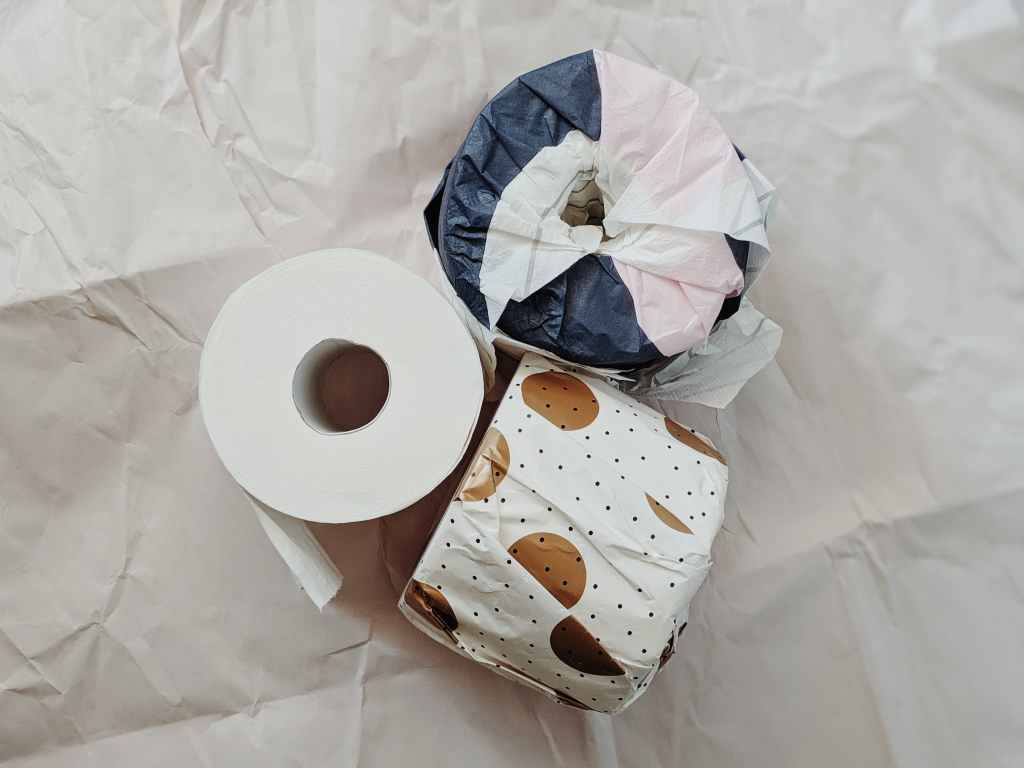
Purchase products packaged in reusable or recyclable materials as much as possible. Opt for foods in jars and other containers that can be effortlessly reusable and do not contain excessive plastic or other non-recyclable materials.
Choose refills.

Consider refills for household essentials such as laundry detergent, dish soap, and personal hygiene products. Many mainstream brands are currently offering refills of their most purchased products in recycled and recyclable plastic bags. Opting for refills eliminates the need for new (and excessive) packaging with each purchase.
Familiarise yourself with bulk shopping.
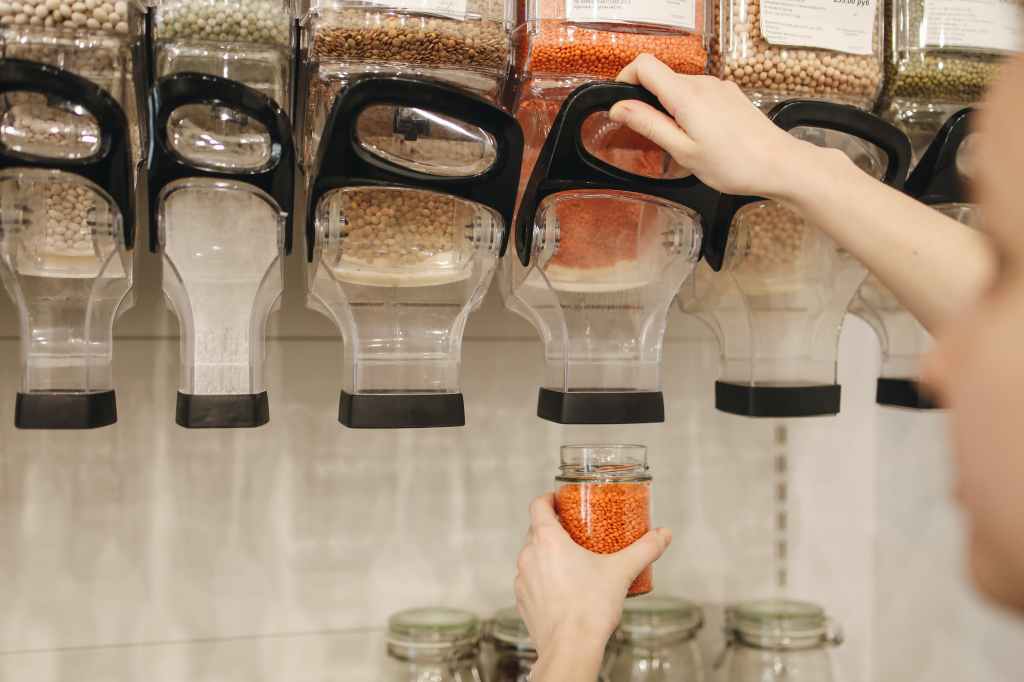
Say hello to a zero-waste haven and explore the bulk bins of the supermarkets close to you. Bulk bins and dispensers allow you to purchase dry goods such as nuts, spices and grains without excessive packaging. Take your containers in your next grocery run and familiarise yourself with the weighing scale.
Avoid products with excessive packaging.
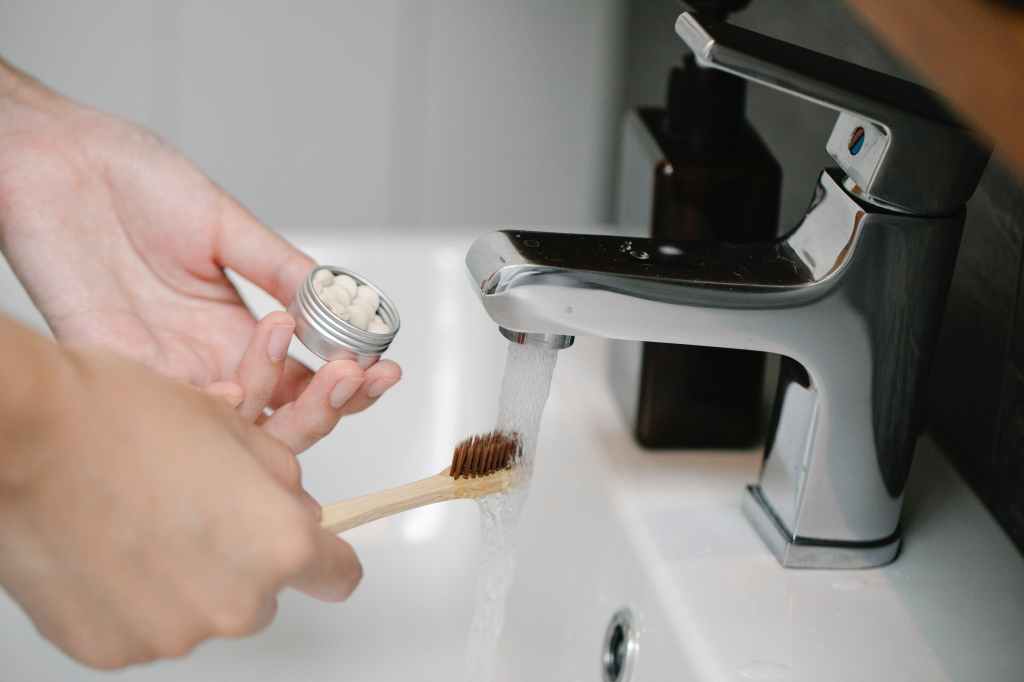
Be mindful of excessive packaging in today’s products and choose items with minimal packaging only. Avoid pre-packaged snacks wrapped in many layers of plastic, ready-to-go meals, fruits wrapped in plastic and other individually wrapped products.
Opt for loose produce.
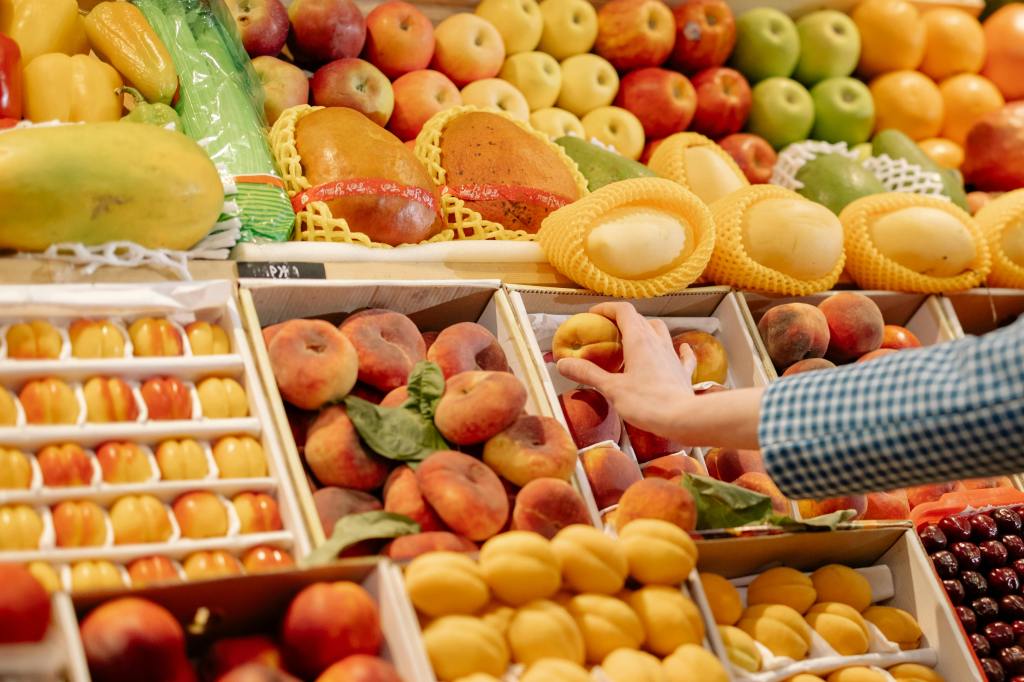
Say no to the abundance of fruits, vegetables, and even bread, wrapped nowadays in plastic and mesh bags and only buy loose produce with minimal or no packaging. Take your reusable produce bags with you and become a master in zero-waste shopping.
Only buy what you need.
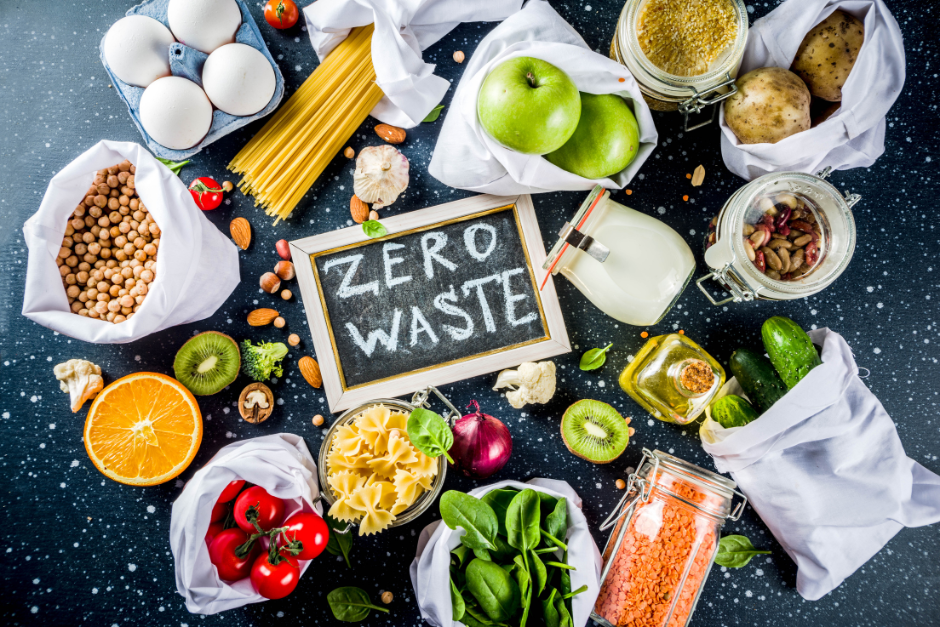
According to the United Nations, approximately 17% of global food production is wasted in households. At the same time, between 691 and 783 million people faced hunger in 2022. Fighting food waste starts in the supermarket. Plan your meals for the period you’re buying food for and avoid impulse purchase that leads to food and packaging waste. Be mindful of what is in your fridge and pantry, and consume mindfully.
Embrace sustainable alternatives.

Motivate yourself to make sustainable switches of your most used household items. Adopt beeswax wrappers and choose bar soap packaged in paper boxes instead of liquid soaps. Check out our post on sustainable household items to switch to this year here.
Give glass bottles a try.
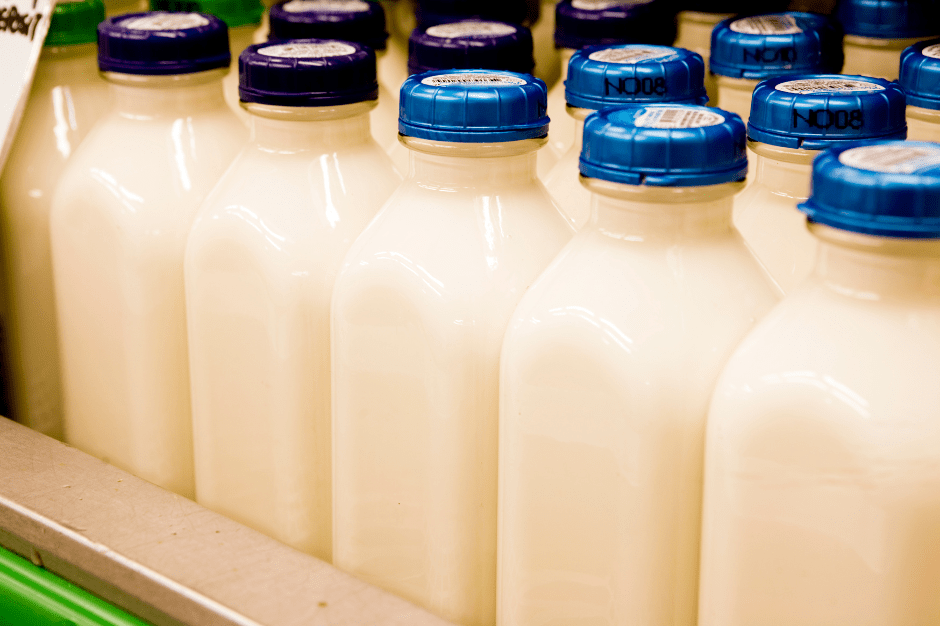
Say no to plastic water and soda bottles. Make your go-to selection of dairy products and drinks in glass bottles rather than plastic. Happily, many supermarkets nowadays have glass bottle return programs. The availability of the products differs from country to location. Still, many allow you to take those clean and empty bottles back to the grocery store where you purchased them and receive the deposit you paid from them back.
Be eco-friendly at home.
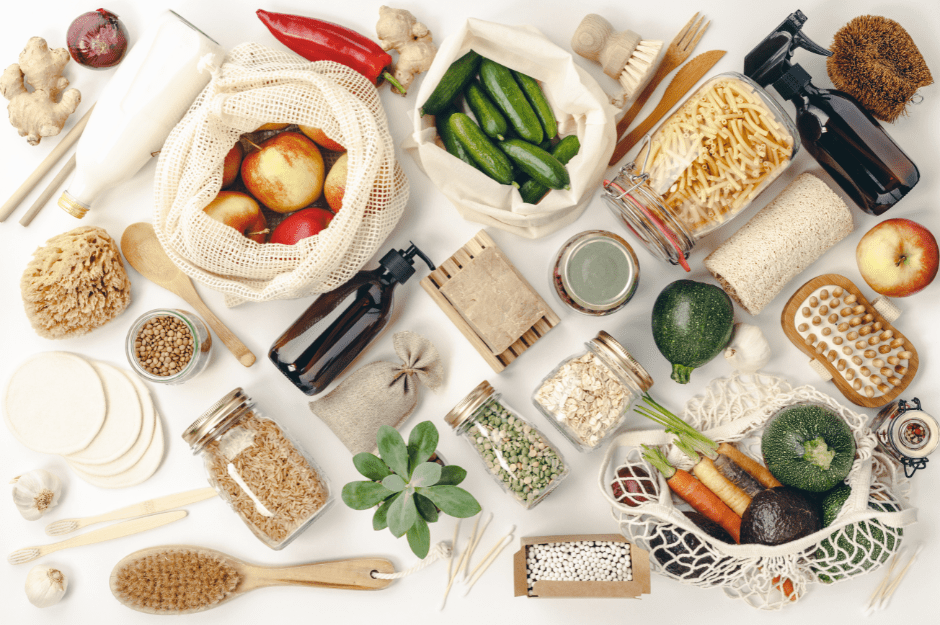
When getting home from the supermarket, rapidly unpack your new zero-waste haul to ensure everything is stored correctly to avoid waste. Store hearty veggies, such as carrots and celery, and herbs in water to conserve them for longer. Wrap your bread in a beeswax wrap, and inventory your fridge and pantry to ensure all will be consumed and nothing will go to waste.
 House Thirty