Food waste is a massive global issue; around 40% of food goes uneaten in the USA. That’s almost half! This number is jarring, mainly as much of this food loss occurs at the household level, with the average American family throwing out approximately 25% of the food they purchase.
Food losses occur globally throughout the entire supply chain at every step of the process, in every category: meat, dairy, fruits and vegetables, grains & seafood. Unfortunately, 95% of this discarded food ends up in landfills.
What is the difference between food loss and food waste?
Food loss: occurs at the pre-consumption stages such as (production, storage, processing, distribution)
Food waste: occurs when food is consciously discarded at the retail or consumption phase. This could be because it needs to be more attractive to sell, damaged, or forgotten in the fridge.
What’s one thing we can all do to start tackling this problem?
Save your scraps!!
We want the landfill to be the last place or resort for food waste! We must do what we can at home before chucking our food scraps into the green bin or garbage. There are many great ways to save your food scraps or offer them another chance at life.
One great way is to freeze your food scraps for later use.
All you need:
- Ziplock or Freezer Bag
- All your scraps
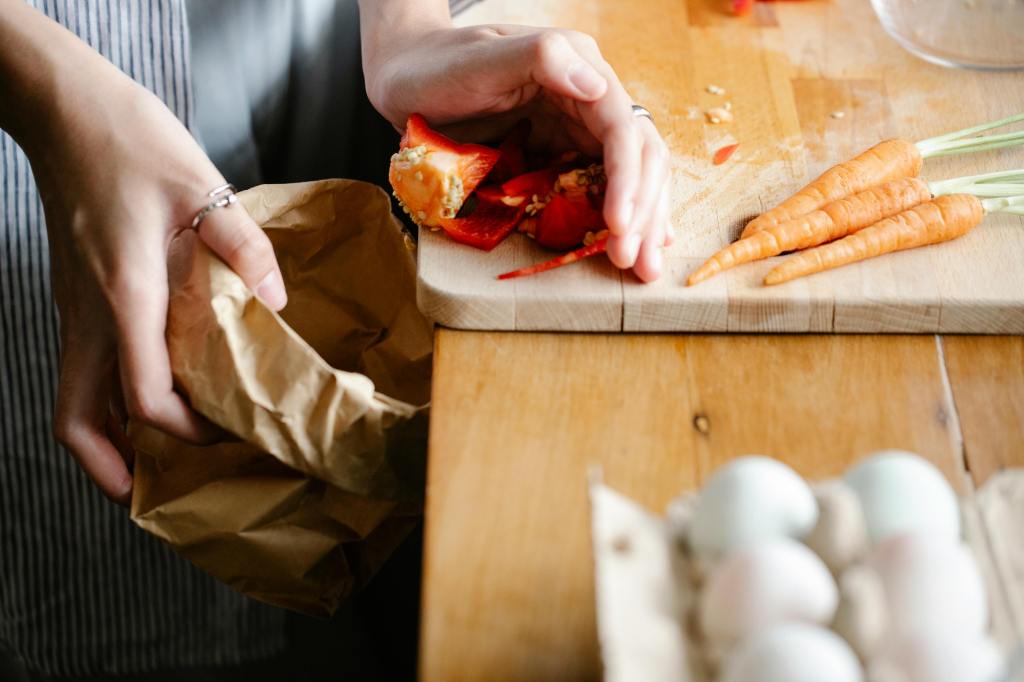
The best method to follow is when you are chopping up your vegetables, place a small bowl on the counter with you, or if you feel like even less work, grab your freezer bag and put your scraps directly into the bag. This way, we can turn our scraps into broth to add nutrients and flavour to many meals and give our vegetables a second life. It also pauses the decomposition of these scraps in your bin, saving you some space and the smells that come with that.
What you can save?
- any allium skins or scraps (onion, shallot, leek, garlic, etc)
- corn cobs
- pepper cores
- mushrooms scraps
- ends, leaves, peels of vegetables (carrot, parsnip, potatoes, beets, celery, fennel, asparagus)
- herbs (stems leftovers)
- ANY WILTED VEG, anything that looks like it is about to turn, chuck it in the bag. If it looks sad or ugly, chuck it in the bag as long as there is no mould.
- Bones from any meat you have eaten
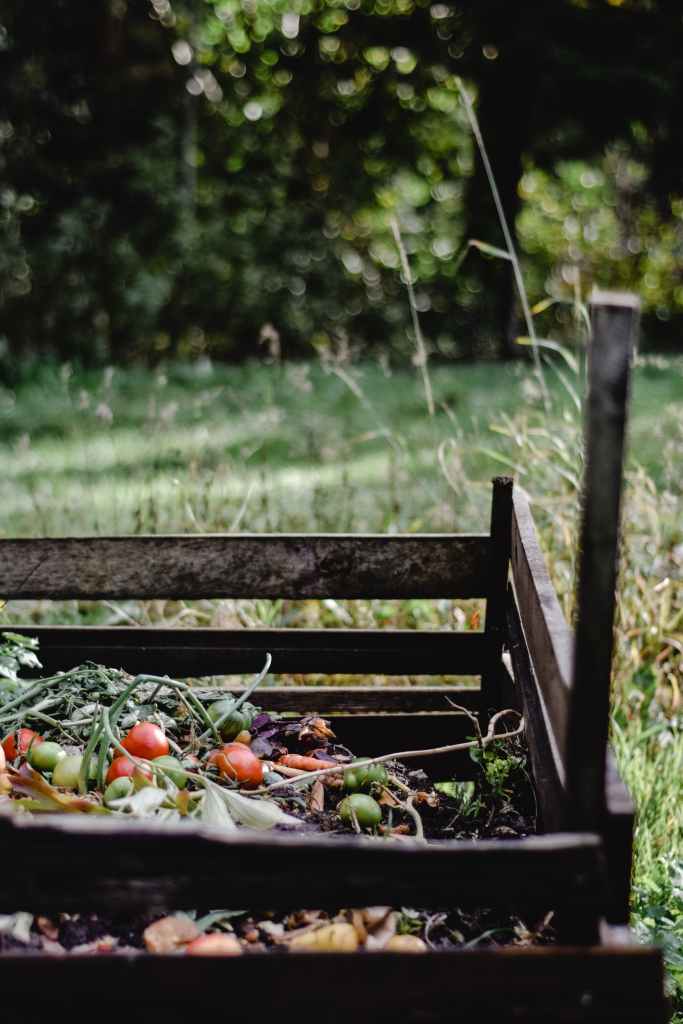
Another route is to place the above scraps into a composter.
Technology has become so advanced that we can even get a small countertop composter. Lomi Counter Top Composter. Why not swap out the green bin for one of these stunning composters? This can turn your waste into fertilizer for plants & gardens or finely ground compost in your regular food waste bin or bag. If you have more space, maybe a yard or a property, the alternative is an outdoor compost bin, like these.
Check out our tips on how to easily compost at home here.
 House Thirty
Leave a comment