
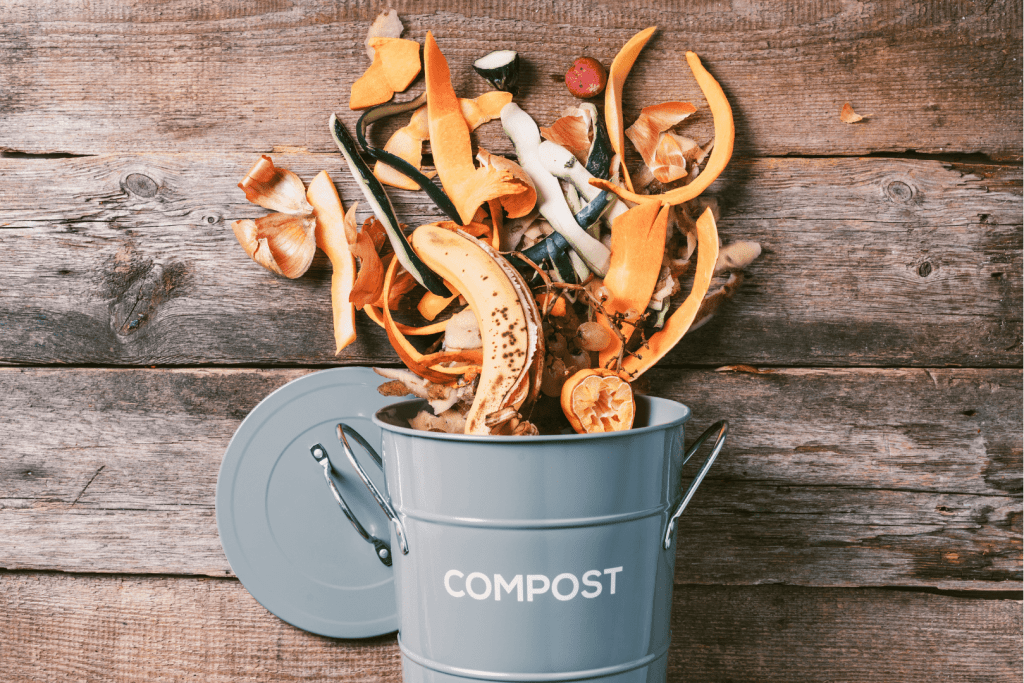
Composting at home is more straightforward than we often imagine. Having the proper tools and information to start is extremely important for a beginner to guide you through your composting journey. Your indoor composting can significantly affect our planet. Did you know that one head of lettuce takes 25 years to decompose in a landfill? Crazy right?!
Reducing food waste is extremely important; an estimated 8-10% of global greenhouse gas emissions are from food not consumed. But don’t worry; we’re here to help you start helping fight climate change by composting at home or in your apartment.
How to compost at home?
Outdoor Composting Methods
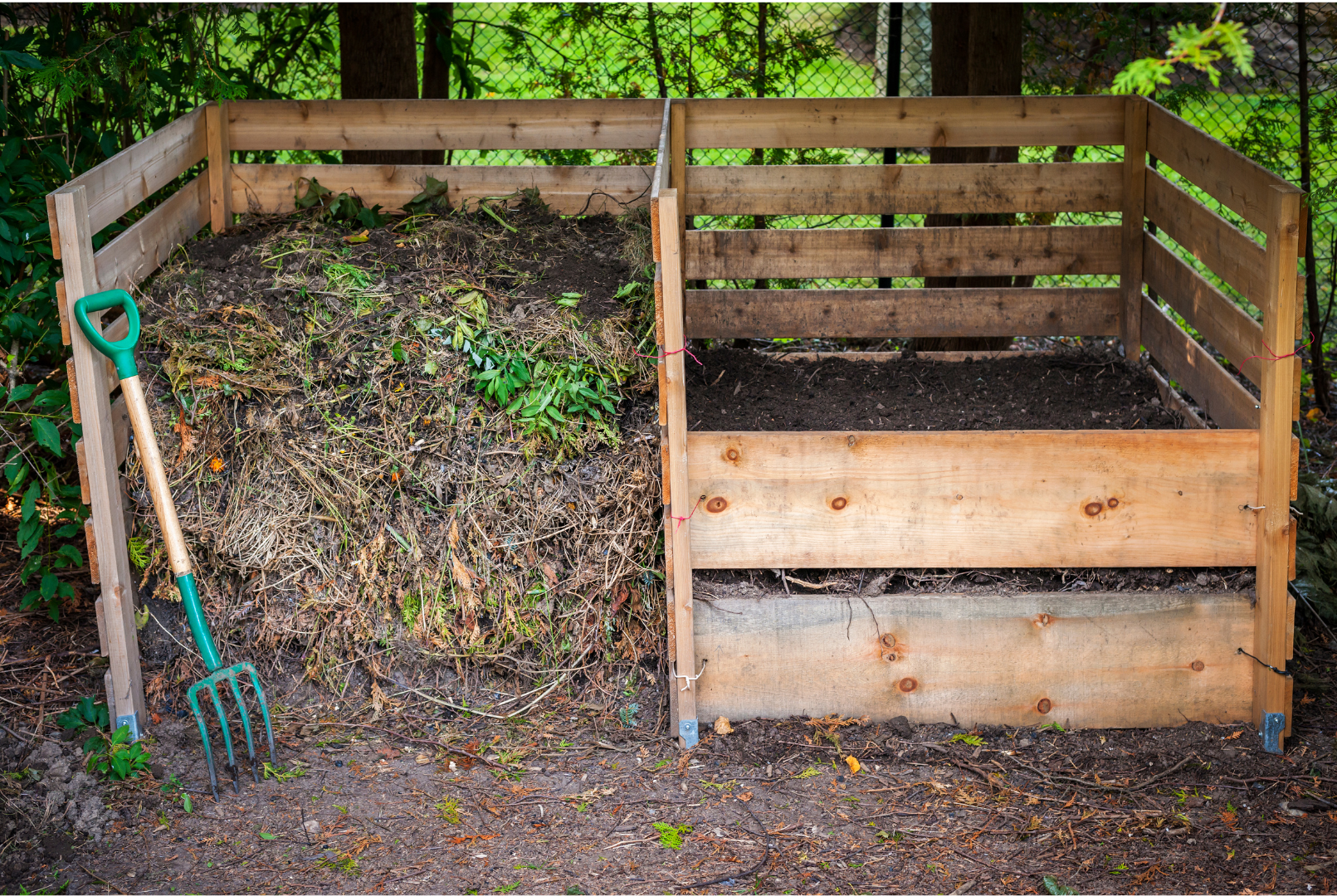
Depending on the space you have and want to dedicate to your composting pile. Those living in houses with a garden can try open composting. It is great for those who have a lot of garden waste.
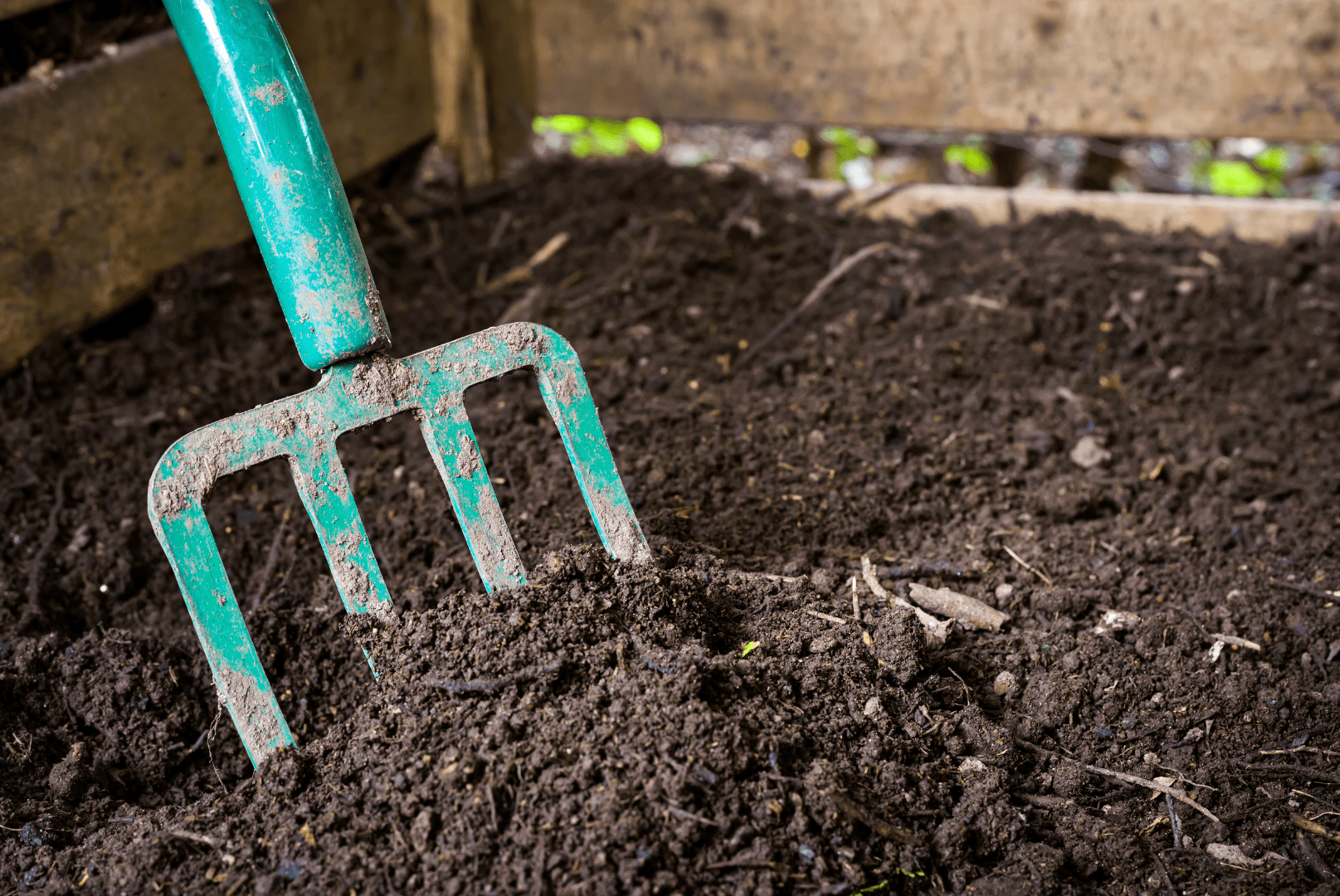
Pilling: you add all your materials into a pile and periodically turn them to aerate. It can be set in the shade or sun, with the latter allowing the composting process to quicken.
Outdoor composting bins: You can easily DIY one or opt to purchase one. They can be opened or closed, with the enclosed bins eliminating the smell and sight of a compost pile.
Indoor Composting Methods
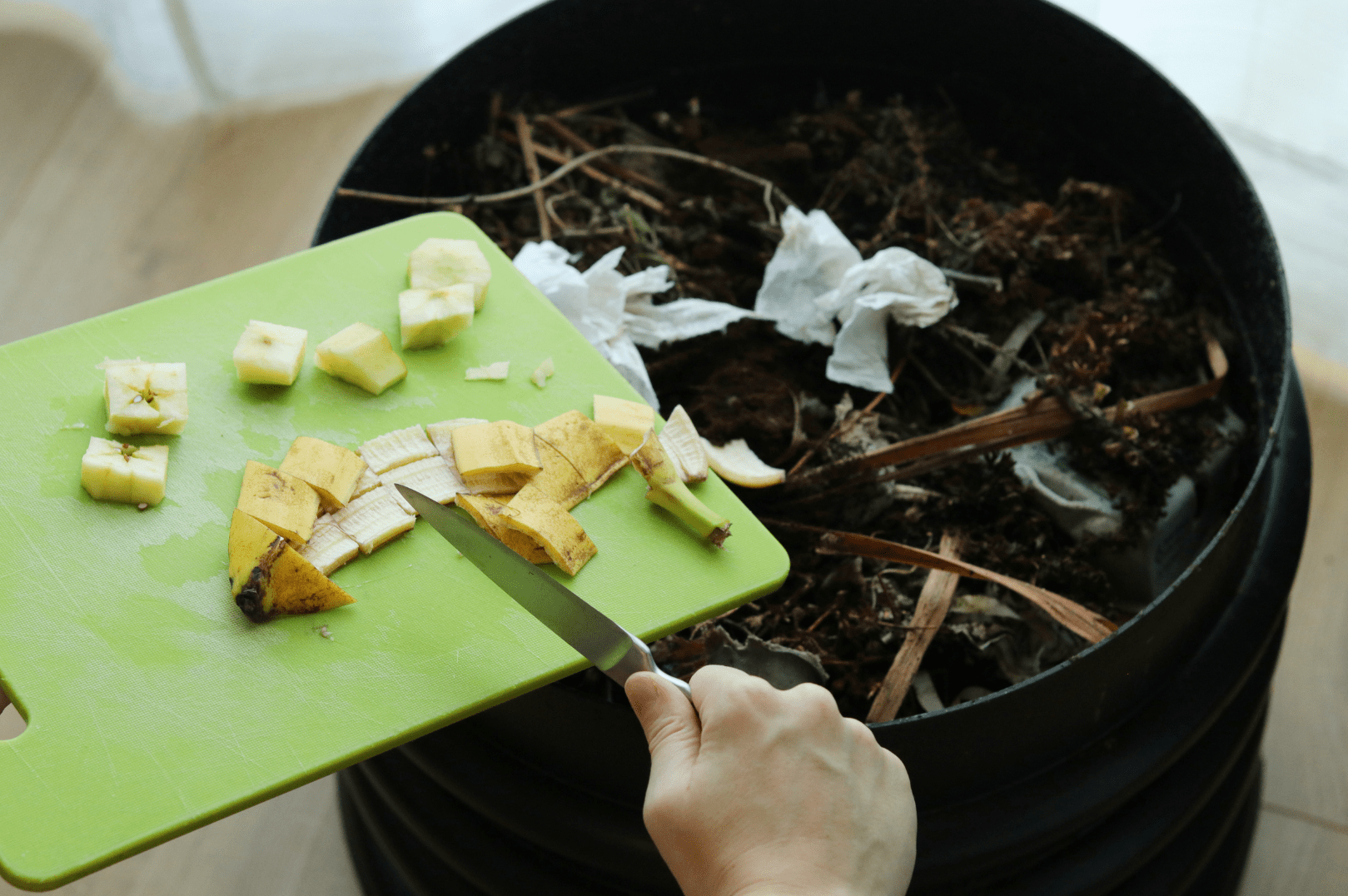
The indoor composting methods usually work with three systems:
Vermiculture: worms consume food waste and excrete it, creating a nutrient-rich compost.
Anaerobic composting: the compost is put in an airtight container with the help of an accelerator that helps break down waste.
Aerobic composting: the traditional process of mixing green matter and brown matter and allowing the mixture to decompose.
What to compost:
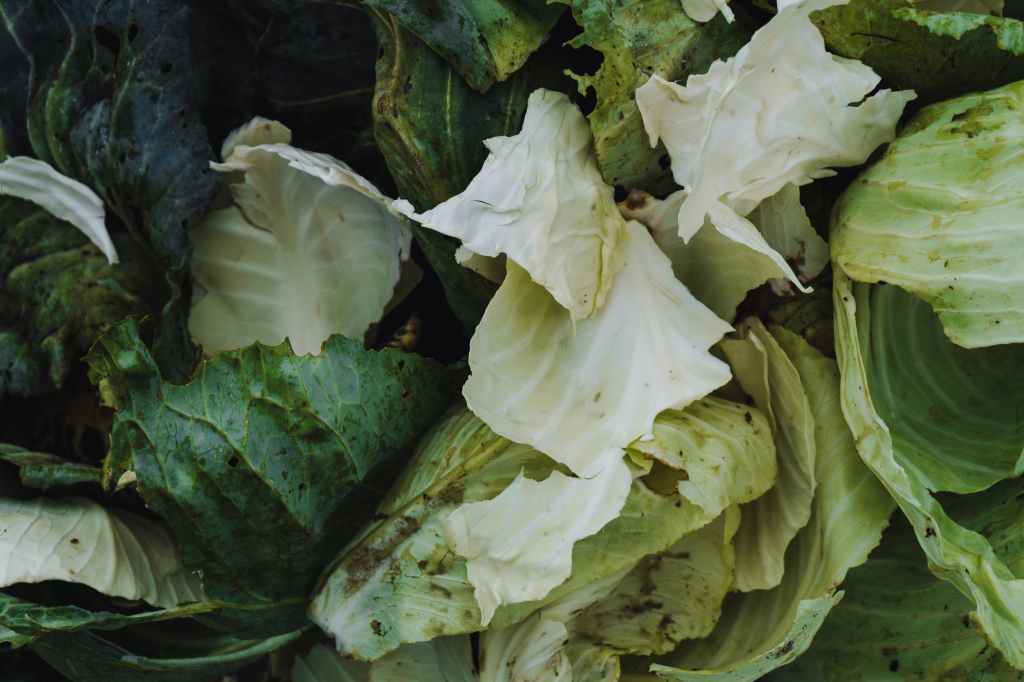
There are 5 key ingredients to add to your compost to ensure a proper balance:
Microorganisms:Microorganisms such as fungi, bacteria, bugs, and worms, when in the presence of oxygen and moisture, work to break down the biodegradable materials in your composting pile.
Greens: Nitrogen-rich materials
Microorganisms use the nitrogen in their compost as a source of protein. It is vital for them as they use it to grow and replicate. Be careful not to add too much, as it will make your compost soggy and more prone to smelling.
- Fruits and vegetable scraps
- Grass or plant clippings
- Coffee ground and coffee paper filters
- Paper tea bags and tea leaves (no staples or twine cord)
- Flowers
- Garden waste
Browns: Carbon-rich material
Carbon provides energy to the microorganisms present in your compost. Brown materials also help block smells, manage moisture and keep pests away. But don’t overdo it; your compost can become dry if you add too much.
- Dry leaves
- Plant stalks and twigs
- Shredded paper (uncoloured and non-glossy)
- Shredded brown bags
- Shredded cardboard (no wax coating, tape, or glue)
- Untreated wood chips
- Straw and hay
- Newspaper
- Corn cobs, stalks
- Eggshells
- Napkins and paper plates
Water: Moisture
Carefully control the amount of moisture in your compost. Too much water will inhibit air from circulating, while too little will slow the desirable decomposition process.
Air: Oxygen from the air
It is essential to add all four elements in the correct ratio. This will ensure that the microorganisms that break down organic matter thrive in your compost.
What not to compost:
- Meat
- Fish
- Bones
- Metal
- Greasy food scraps
- Plastic
- Styrofoam
- Dairy
- Oils
- Fat and butter
- Diseased plants
Common problems & solutions
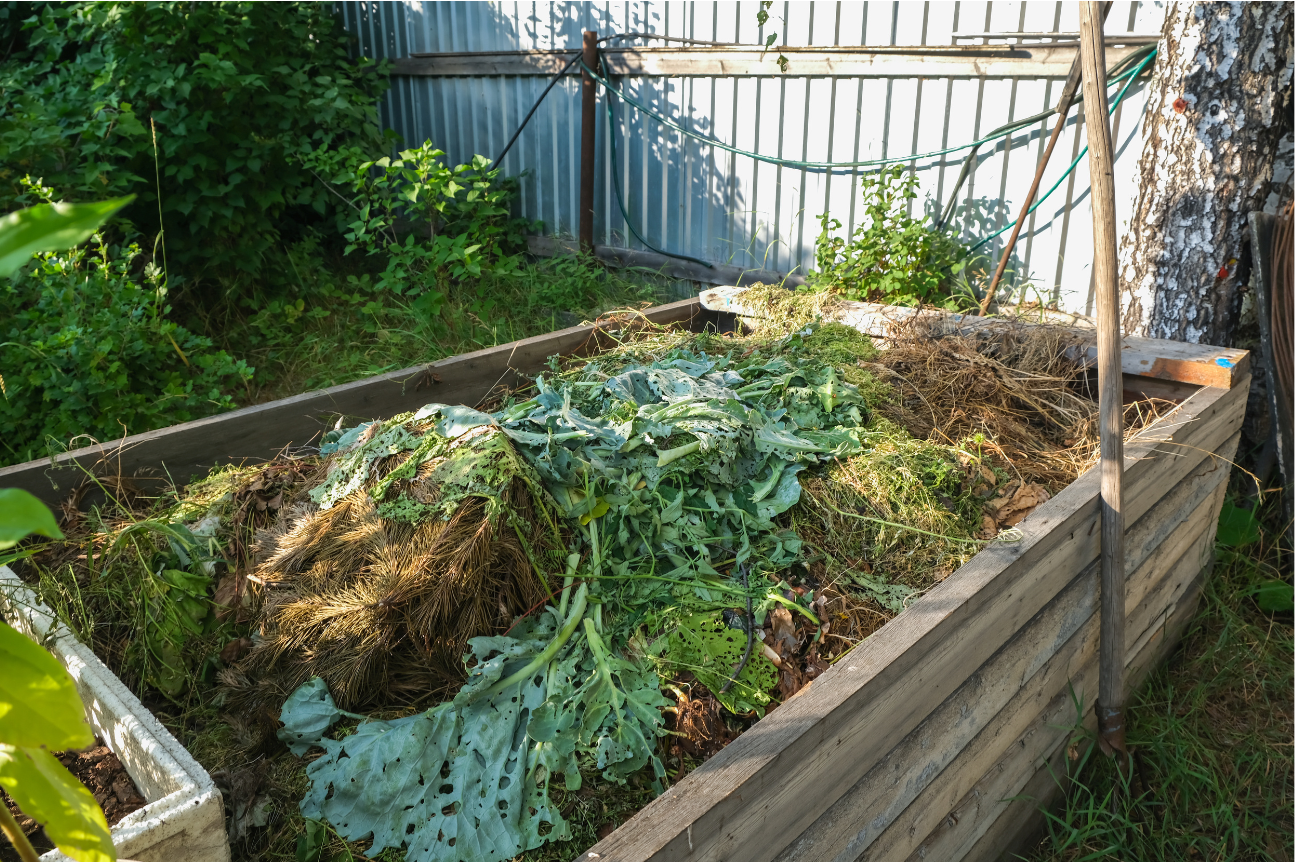
Soggy compost: Dense or soggy composts don’t have enough oxygen for the microorganisms needed to decompose organic waste to survive. The solution is to create the pile and add more brown materials.
Smelly compost: Your compost pile might contain too much nitrogen, especially if it smells like ammonia. Adding more brown materials will introduce carbon to your pile and help to balance your compost.
Composting the wrong materials: Meat, fat, oil or grease from animal products attract flies and rodents. Plants that are diseased or mouldy will also easily infect your compost. Dairy products will spoil in your compost bin and create a foul smell.
What to do with your compost

But what do you do with all the nutrient-rich compost soil you now have if you don’t have a garden? Worry not. Here are some tips on using your compost to help our planet even if you don’t garden.
Add it to your potted plants and flower beds: The compost soil has a lot of nutrients that your home or office plants will love. Make sure your compost is completely decomposed and mix it with some organic potting soil, either homemade or store-bought.
Donate it to a gardening friend or neighbour, a school or a community garden near you: Help our planet and be your most generous self by contributing to your community. Check with your neighbours, ask your local schools and community centres if they are working on community gardens and become the compost fairy.
Start composting today, help fight climate change, and upcycle your food waste: one compost pile at a time.
Sources and extra information
Zero Waste: The 10 Best Indoor Compost Bins of 2023
Gardeners: Compost Troubleshooting Tips
Clean Air Gardening: 6 Most Common Composting Problems and Solutions
One Green Planet: 7 things to do with compost if you don’t garden
Eartheasy: How to use finished compost
EPA: Composting at Home
NRDC: Composting 101
Eurostat: Food waste: 127 kg per inhabitant in the EU in 2020
Long Island Compost: Wasted: Changing the World, One Head of Lettuce at a Time
OZ Harvest: Food Waste Facts
The World Counts: Food Waste Statistics
Going Zero Waste: How To Compost In An Apartment
 House Thirty
Leave a comment