
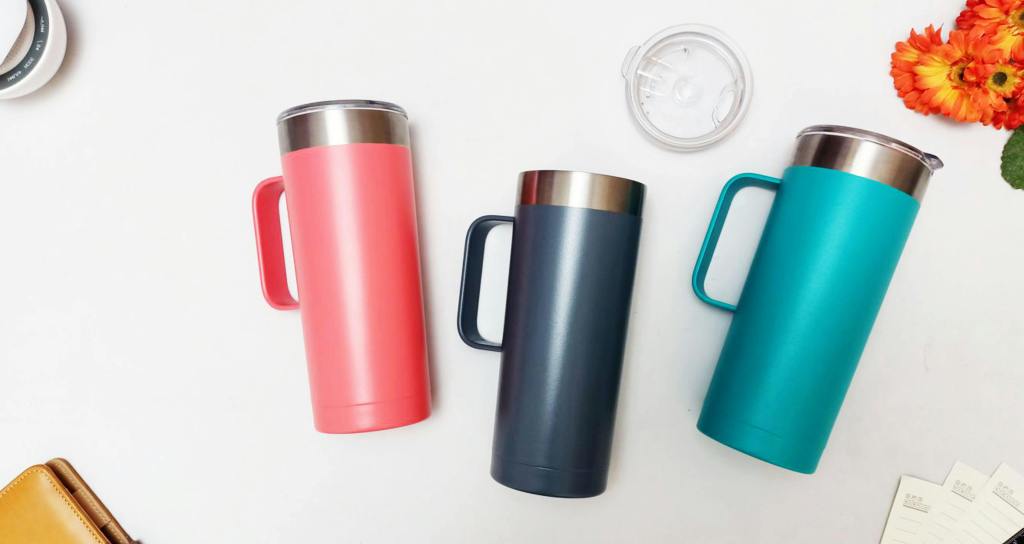
In today’s materialistic and consumption society, the appeal of constantly buying new and reusable items has increased. The recent Stanley cup frenzy perfectly illustrates this phenomenon, with hundreds of individuals eagerly showcasing their collections and insatiable need to buy trendy reusable items. Unfortunately, this consumerism causes the purchasing of single-use items, along with a lack of information on its impacts, to pose significant harm to our environment. We must recognise the consequences of overconsumption and avoid being influenced to acquire new, trendy, reusable items often. We must prioritise sustainability over the fleeting thrill of new “eco-friendly” uneducated purchases.
But fear not! We are here to unveil common misconceptions and give you the confidence, knowledge and tools to make informed purchasing decisions. We’ve selected some of our society’s current doings that aren’t sustainable, and we often believe they positively impact our planet. We’ve also added examples of items in our daily lives that many consider to be sustainable when, in fact, they aren’t.
Keeping the information above in mind, we’ve selected some examples of things in our daily lives that many believe to be sustainable when, in fact, they aren’t.
Constantly buying new reusable items
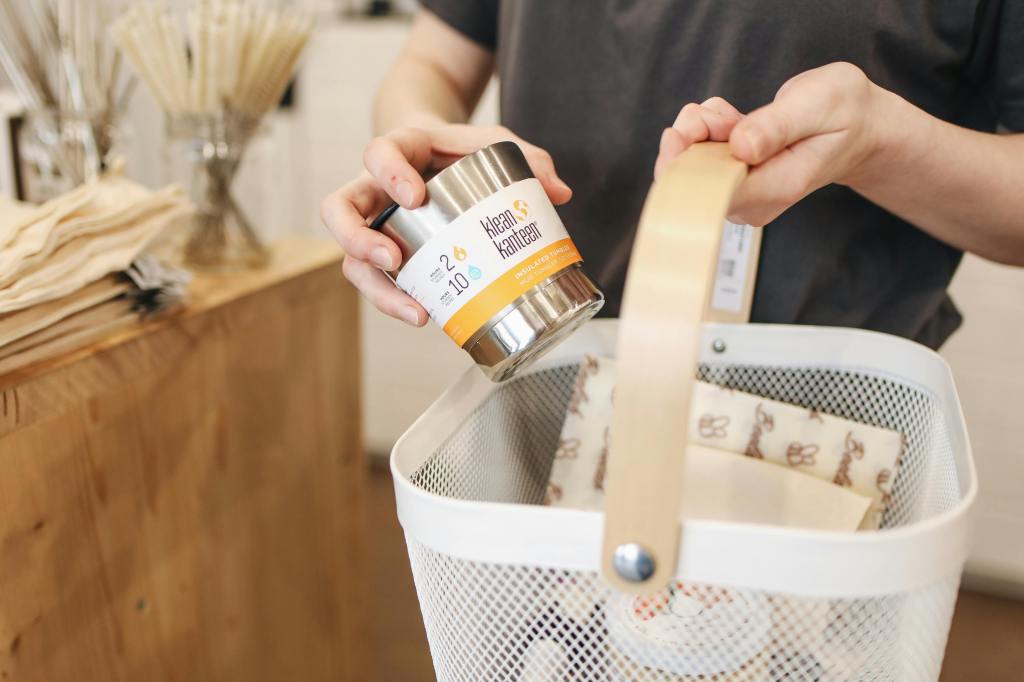
Many of us have seen the Stanley cup frenzy. People were sharing online the numerous cups they have with all colours of the rainbow or staying up late in a grocery store line waiting to buy the new Valentine’s Day limited edition. However, it’s not only with reusable water bottles and cups that the overconsumption of reusable items happens. Many of us are guilty of buying one too many reusable bags or environmentally friendly alternatives to disposable products. Buying new reusable products every time is just as harmful, if not worse, to our environment. Reusable products have a decreased carbon footprint when we reuse them constantly; for example, it takes around 39 uses of a ceramic mug to outweigh the carbon impact of a paper cup. Therefore, we must know how our purchase patterns impact our environment. Utilise your reusable zip-lock bags, shopping bags, and water bottles or cups until they are no longer usable. Overconsumption might give you a rush fever at the moment of the purchase, but it’s just giving our planet a fever.
Purchasing products labelled eco-friendly without researching their claims
Unfortunately, many companies nowadays use greenwashing practices in their marketing campaigns, applying bogus “eco-friendly” claims with no backing. Using green imagery, such as green leaves and plants, words such as eco-friendly, organic and natural, and misleading information deceives consumers regarding the brand’s sustainable practices. In sustainability, transparency of the brand’s wins and failures regarding adopting sustainable practices and declaring they are working on them is crucial. Thus, consumers must be aware that the claims made by companies are trustworthy and honest. It can be accomplished by researching the company’s claims and seals and going beyond the ingredients and materials used to make the products. Investigating the company’s commitment to social equity, where their products are sourced from, and whether they are ethical is also essential.
Single-use items labelled as sustainable
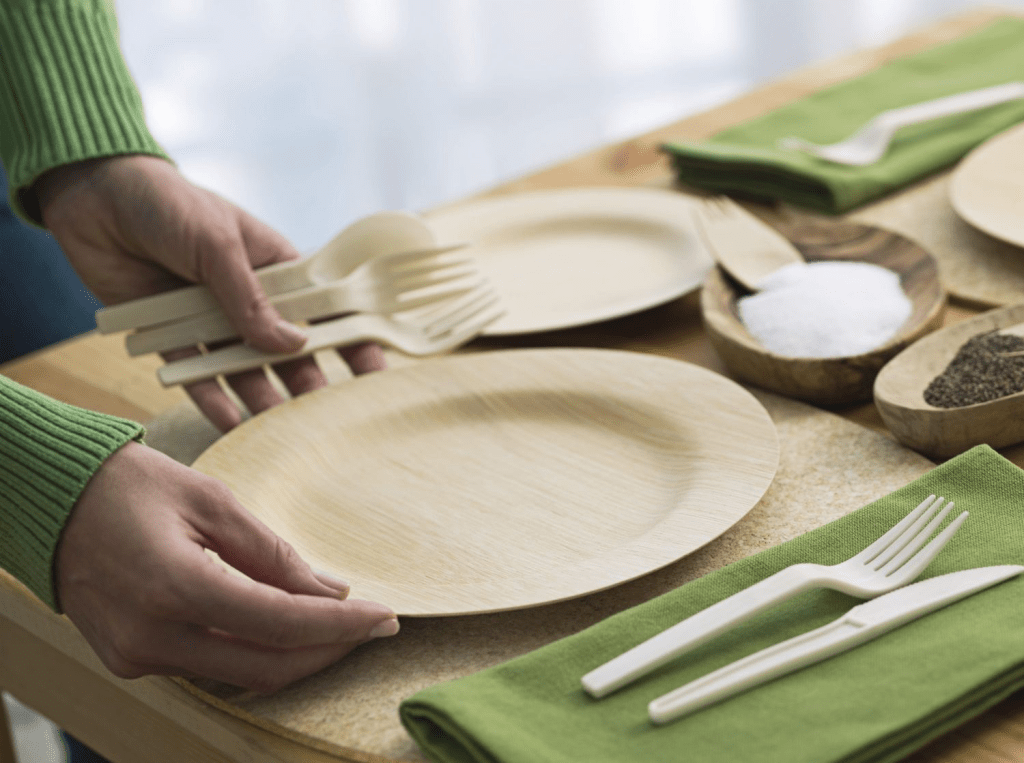
Those products are labelled as sustainable by the companies that sell them. However, these claims are often exaggerated or misleading. A UK Big Compost Experiment study revealed that engineered plastics labelled “home compostable” do not break down as hoped. It is important to note that biodegradable and compostable are not the same thing, although they are often used interchangeably. For your next party or picnic, take an easy extra mile to help the planet and use reusable items. Asking your friends and those invited to bring their reusable items is always okay. Set the example!
Pre-packaged “sustainable” options
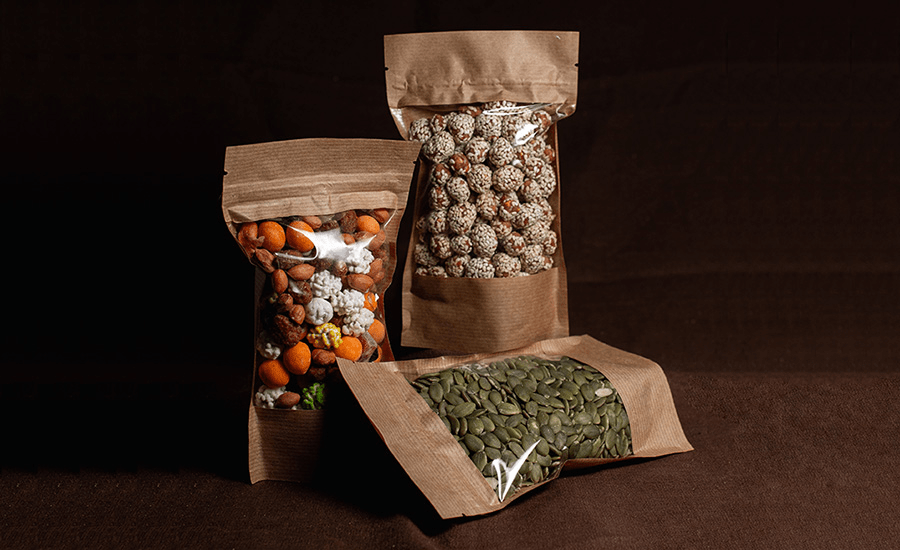
Products and individually packaged items still create unnecessary plastic, even if made from recycled materials. Opt for package-free alternatives or refillable options when possible.
Bamboo products
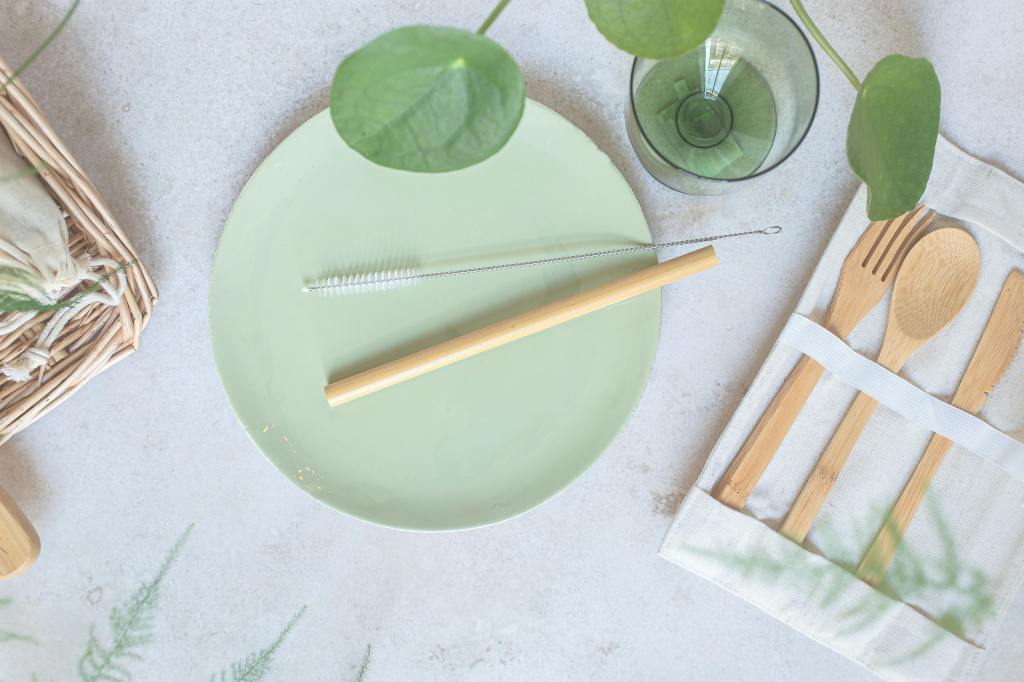
Bamboo fabrics harvested from bamboo plants, for example, are often considered sustainable and eco-friendly due to the plant’s natural fast-growing properties. However, when planted and harvested in large-scale practices to produce clothing, the fabric undergoes several processes for its transformation that require an enormous amount of chemicals. However, Bamboo plants absorb five times more carbon and produce 35% more oxygen than similar trees. Hence, consumers need to grow aware of the process behind fabric production and avoid conventional viscose bamboo. Mechanically processed bamboo or lyocell bamboo are greener alternatives.
Products using Certified Sustainable Palm Oil
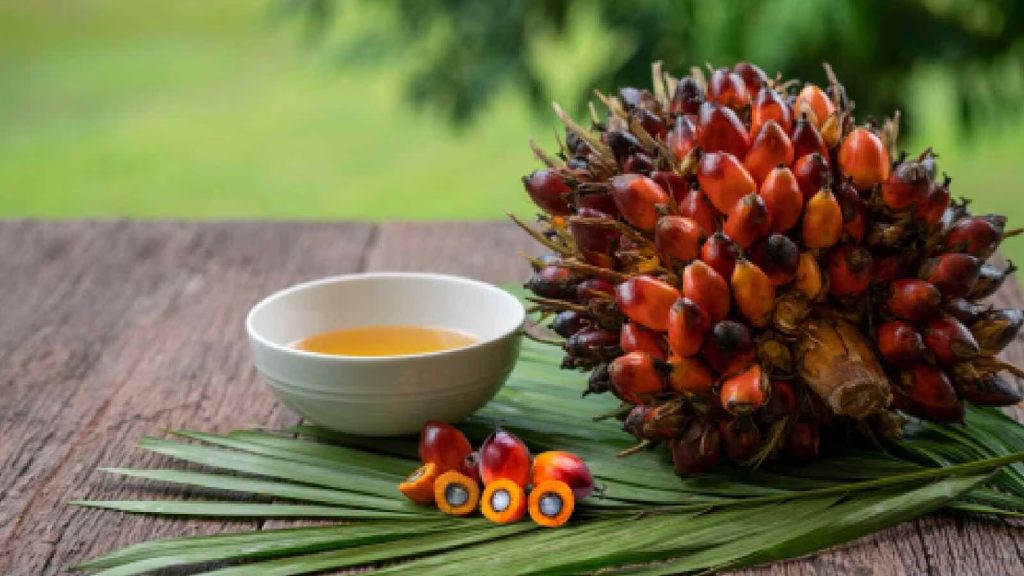
Organisations such as the Roundtable on Sustainable Palm Oil (RSPO) and the products affiliated with certified sustainable palm oil may still be associated with deforestation, biodiversity loss, and claims of human rights abuses. Due to the lack of stricter standards, greenwashing claims can also happen in the marketing and communication of the use of palm oil. Businesses must be transparent about their approach and harvesting of palm oil, continuously reporting their journey while being able to trace back the pail oil used and the area that it was harvested from.
 House Thirty
Leave a comment