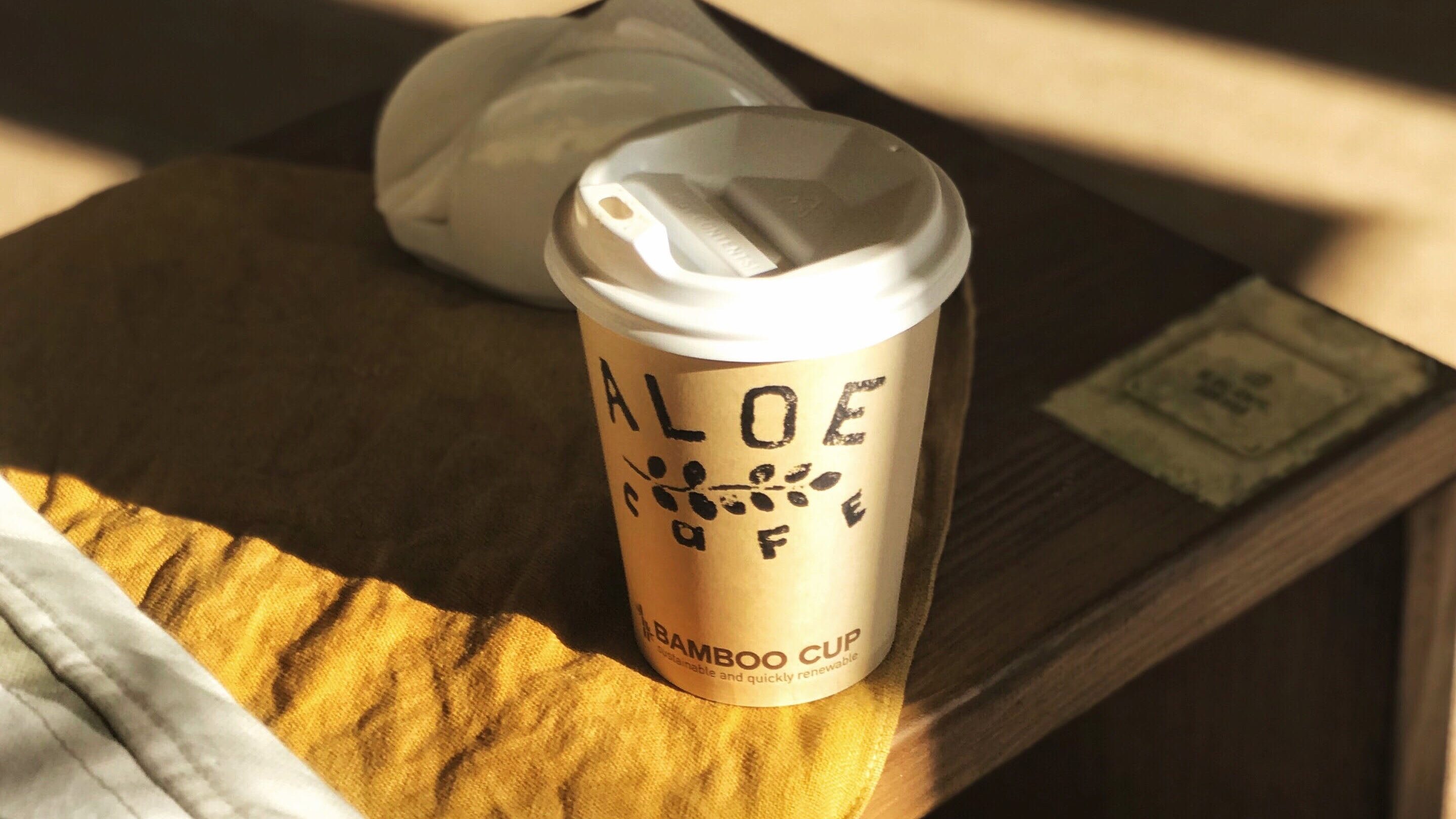
It is pretty common now to see products that state they are compostable or biodegradable, but are they really? This is an excellent question to ask yourself when your coffee cup says it is compostable. It is important to note that products that claim to be bio-based, biodegradable, bio-plastic or plant-made do not equal their ability to be composted.
What’s the deal, are they biodegradable?
In theory, many of these items are biodegradable, but not through a generic process. Most require a unique process to be followed, in order for them to break down. This is most likely different from the same process occurring in your backyard or countertop composters, and it is often not even possible at your local waste management facility.
Why are these products so hard to compost?
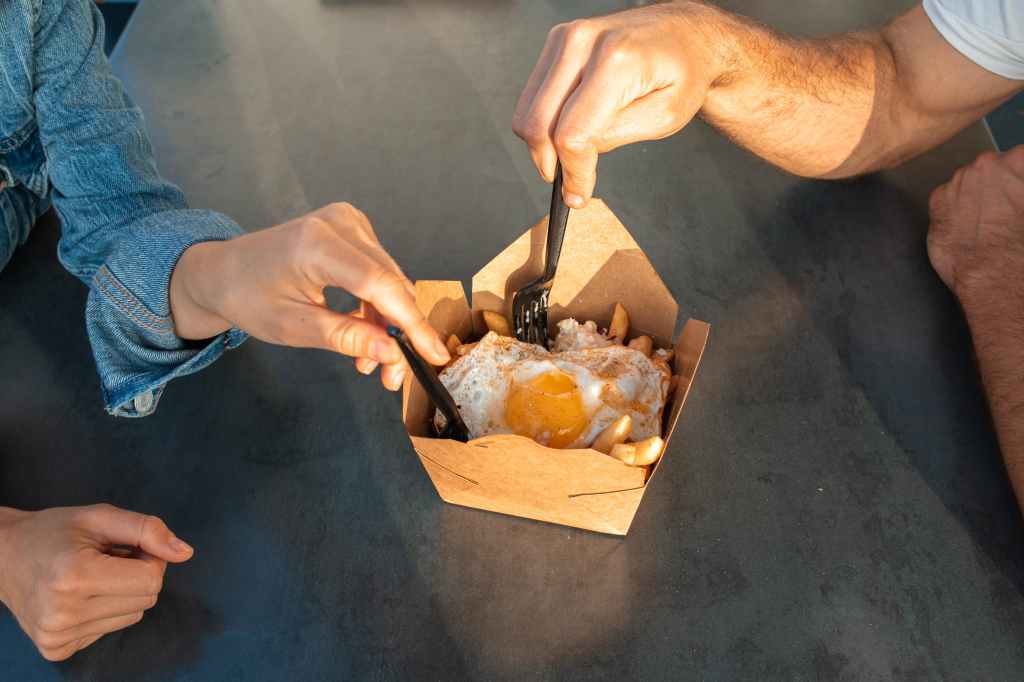
Many of these items are coated! Yes, that is the unfortunate truth. But as consumers, we aren’t super happy when our food leaks through a takeaway container. Or if our takeaway coffee cup turns into the consistency of a paper straw. These coatings are often a form of PFAS, also known as forever chemicals, because they are very hard to break down.
Many of these products also require a particular type of “composting”, some requiring sunlight to break down, some requiring water (ex, those packing peanuts that dissolve in water).
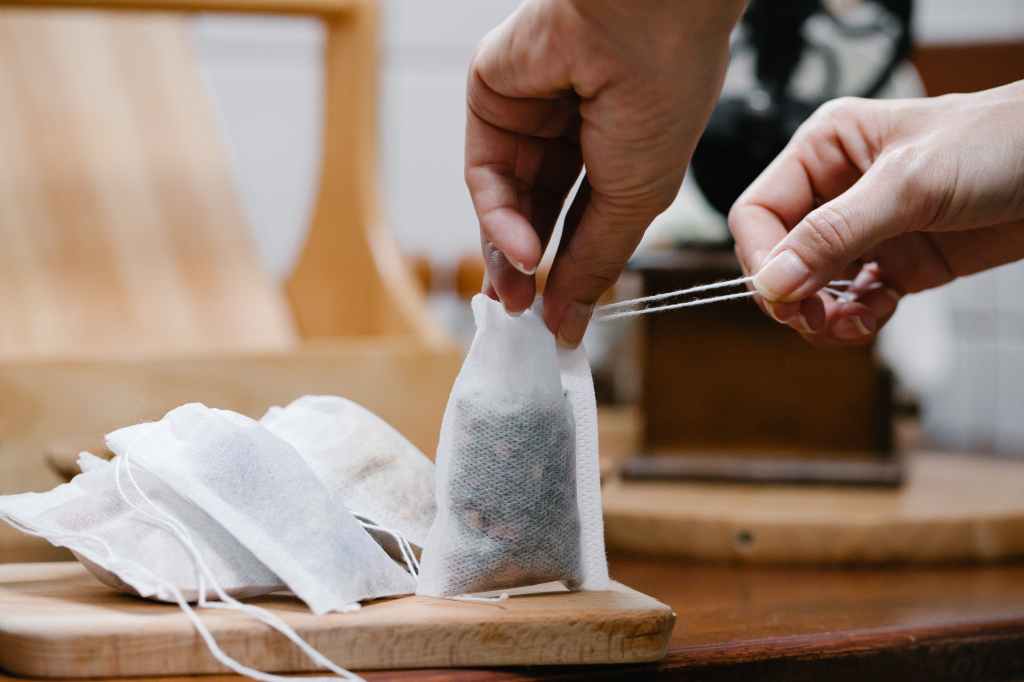
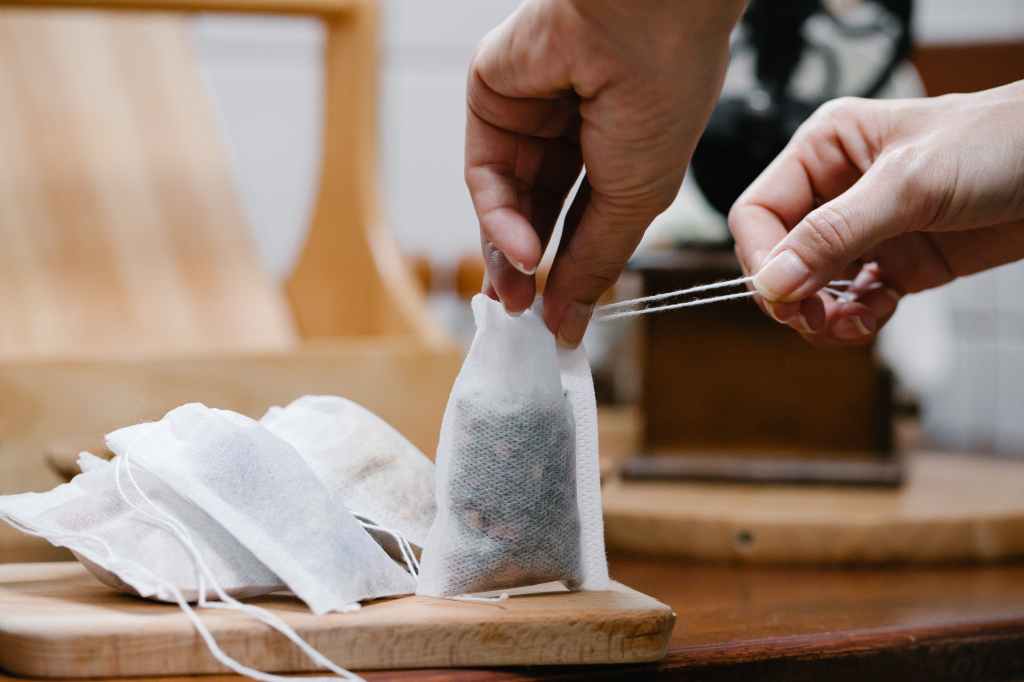
There are a few things that we know can be composted for the most part at home. Things like tea bags (with some exclusions). If there is a staple, this can be removed and recycled, and if a coating seals the bag, this portion should be cut off and put into the garbage. Fancy pyramid-shaped tea bags are often made of bio-plastic or PET, which cannot be recycled.
Other items that can be placed in your green bin include soiled paper napkins, paper towels and tissues (though they cannot be soiled with chemicals – those must go in the garbage). Coffee grounds & filters, tea bags (if adequately disposed of). Paper bags, if soiled, if not placed in the recycling. Waxes or plastic-coated food paper products, house plants and soil, and pet waste.
The list goes on, though it is essential to check with your local waste management system and your own composting system.
Will it always be this hard to tell?
Sometimes, making a sustainable choice is complex and needs to be clarified! Especially when there is only a little information that is easy to understand. Recently, the EU has moved forward to ban greenwashing and improve the information being provided to consumers! Which is a massive step in the right direction. This ban would eliminate false advertisements and packaging claiming to be good for the environment. This will help many consumers differentiate if their cup, for example, is biodegradable.
We hope this article has helped alleviate some of your eco-anxiety and given you more confidence regarding what you can throw in your green bin!
 House Thirty
Leave a comment