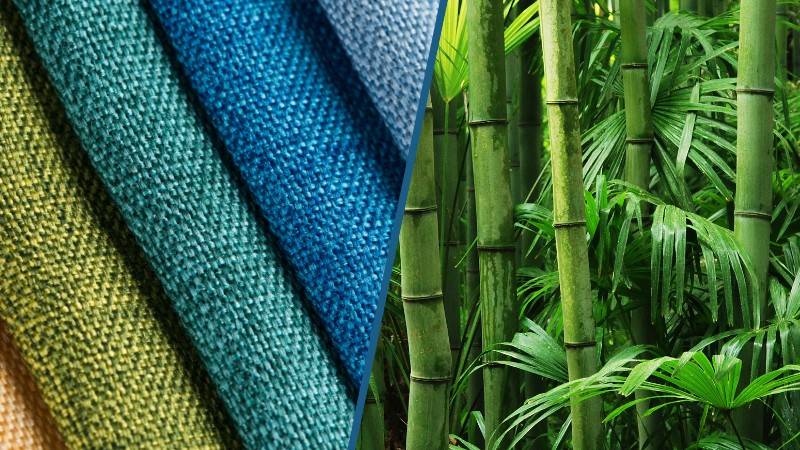
The fashion industry has recently focused on more eco-friendly fabrics, naming bamboo as a sustainable option. Bamboo was advertised in the fashion industry, aiming to gain popularity and a positive brand image by choosing more sustainable fabrics, focusing on its softness, breathability, and biodegradability characteristics. The fabric alternative, named the future of sustainable fashion, has many advantages for fabrics such as polyester and non-organic cotton. However, much must be considered before the fabric can be labelled sustainable. Additionally, consumers must be aware of the possible greenwashing claims they face when purchasing clothing made of this fabric.
How is the fabric created?
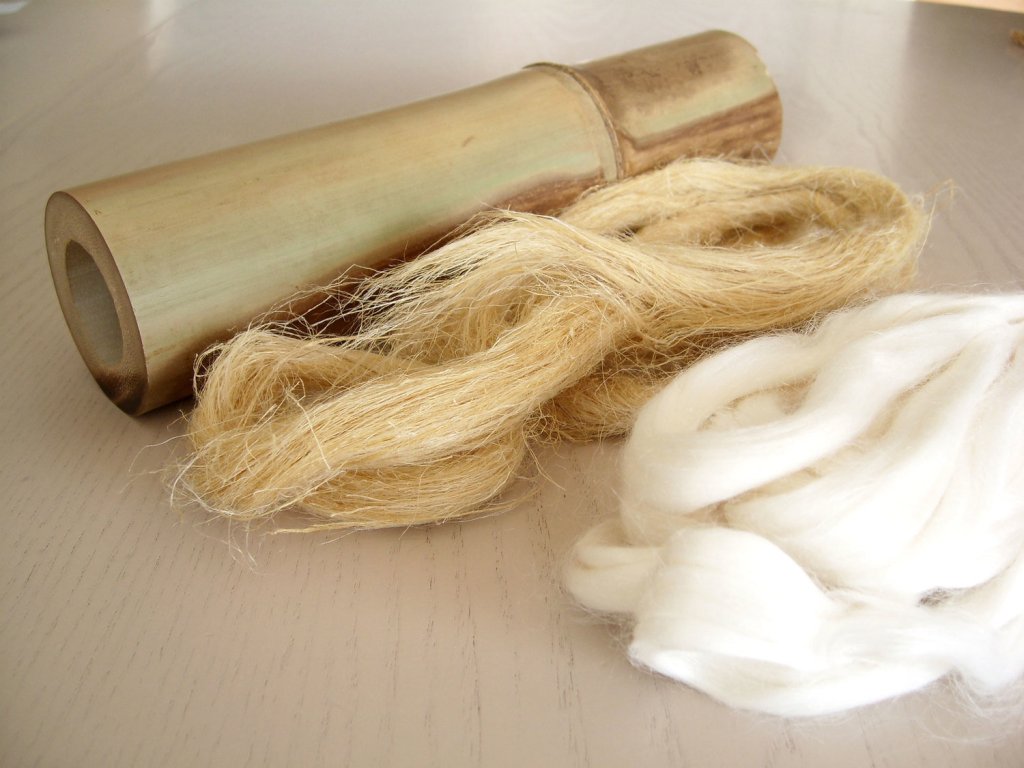
Although bamboo’s cultivation phase does not require many chemicals, the same can’t be said about its manufacturing process. There are several manufacturing ways to turn bamboo into fabric. The manufacturing process of bamboo viscose is lengthy and incredibly wasteful. The bamboo pulp is first broken down into small chunks and then exposed to chemical solvents that remove the cellulose. This cellulose is then compressed into sheets exposed to carbon disulfide and pushed into a spinneret that “spins” it into fibres.
Is it sustainable?
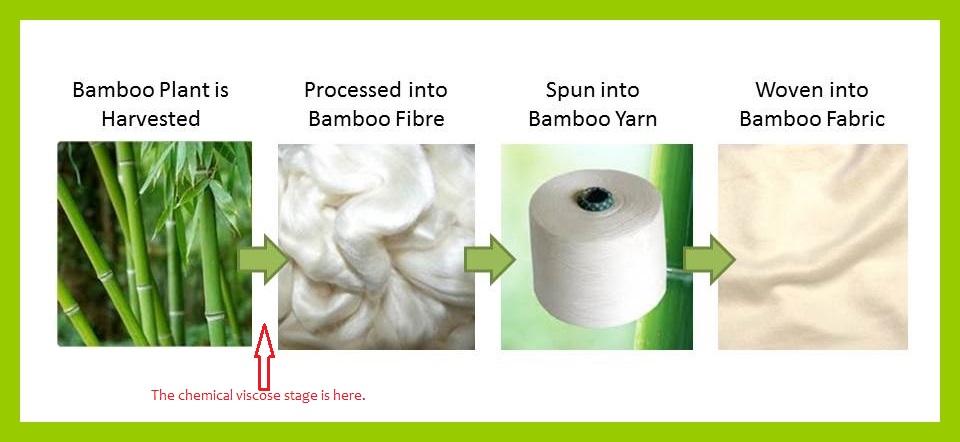
Most bamboo fabric produced worldwide is called bamboo viscose, which is cheaper to produce and results in a semi-synthetic fabric contaminated with carbon disulfide. However, it is costly to the environment due to the use of chemicals in the manufacturing process and its workplace hazards. Patagonia, a company known for its strong environmental values, has said that they do not utilise the fabric in their clothes due to the process of making rayon-like fabric. The manufacturing process turns the bamboo cellulose into a regenerated cellulose fabric known as rayon. This process has no chemical differences from other fibres, and it utilises solvents that manufacturers can only recover 50% of, with the other half possibly going to the environment. Wet processors have significantly improved in managing chemicals and waste treatment over the last few years.
Deciding if bamboo fabric is sustainable or not can be a complicated decision. Bamboo itself is a highly sustainable crop if grown in the right conditions. However, the intensive manufacturing process of creating the fabric involves a lot of chemicals that are harmful to our environment. Companies might use eco-friendly connotations and consumers’ lack of detailed knowledge of the fabric’s manufacturing process to greenwash their consumers. Greenwashing marketing antics regarding the fabric are so used that the Federal Trade Commission (FTC) of the United States of America created a guide called “How to Avoid Bamboozling Your Customers” focused on correctly labelling bamboo fabric as “rayon made from bamboo” or “viscose made from bamboo”.
Nonetheless, there are a lot of factors and facts to be considered in sustainability. Garments produced from bamboo fibres might still be regarded as sustainable. In sustainability, there is no one-size-fits-all answer. It is essential to research and look at the bigger picture constantly. A piece of clothing made from bamboo alone is not sustainable; however, the company may be a B Corp-certified company. Stay vigilant about how a brand markets its garments of bamboo fabric. Are they using it to call themselves a sustainable brand, or do they have other sustainable practices and a closed-loop manufacturing process? Exercise your due diligence.
 House Thirty
Leave a comment