
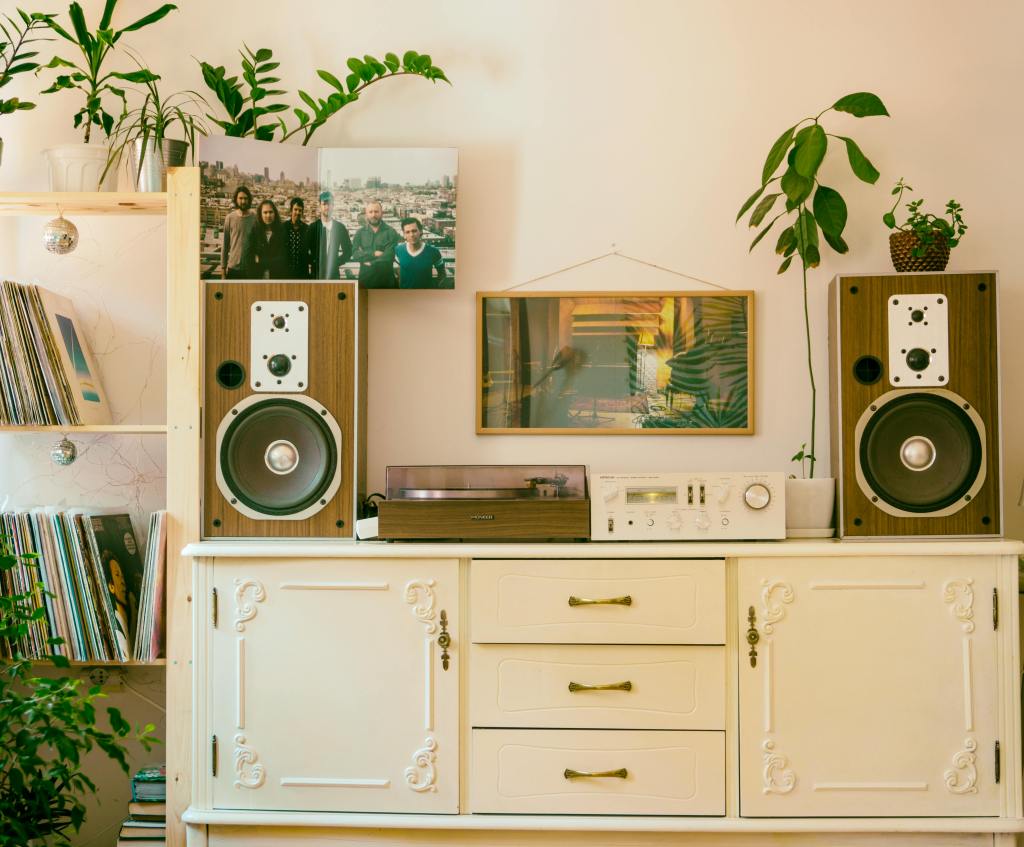
Embarking on the new journey of furnishing your sustainable home? How exciting! Curating and adding sustainable pieces to your home is about creating a beautiful space for you to enjoy that resonates with your sustainable values of responsible consumption. Due to cheaper manufacturing costs and fast production methods, the popularity of disposable decor and inexpensive furniture is at an all-time high. Thus, we must comprehend how our consumption patterns affect the environment. Our purchasing decisions contribute to a more sustainable future and eco-conscious way of living. It might initially seem daunting to navigate the different furniture brands while staying within your budget. We’ve selected a few tips to empower you to create a home that reflects who you are while respecting our planet.
Go Stooping: Repurpose & give furniture a new life
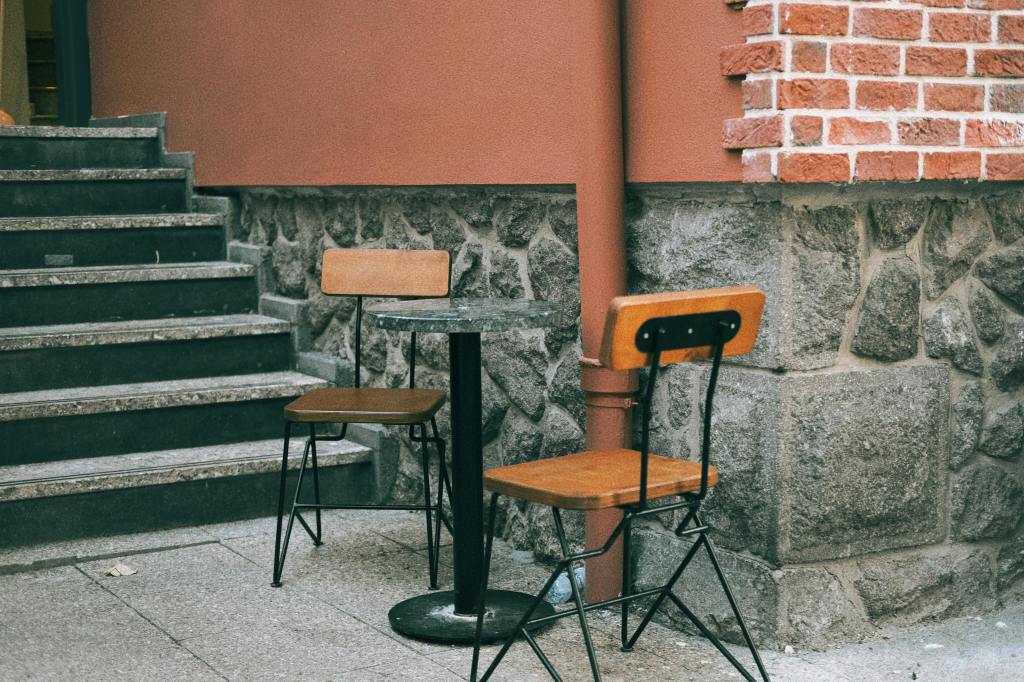
One person’s trash can be your new treasure. Stooping, or curb mining, is a rising trend of sourcing free items left out on the street as trash or left out by someone hoping it will be stooped by someone. It is a fun and sustainable way to snag, for free, one-of-a-kind furniture or home decoration pieces. It’s an entirely free, win-win transaction that should not be seen in a bad light. The act empowers people to reclaim previously discarded items from other homes and repurpose them as their own. Lately, many local social media accounts have been created with the intent of helping those who are on the lookout for something stooped.
Some stooping accounts to follow:
Opt for local, second-hand furniture
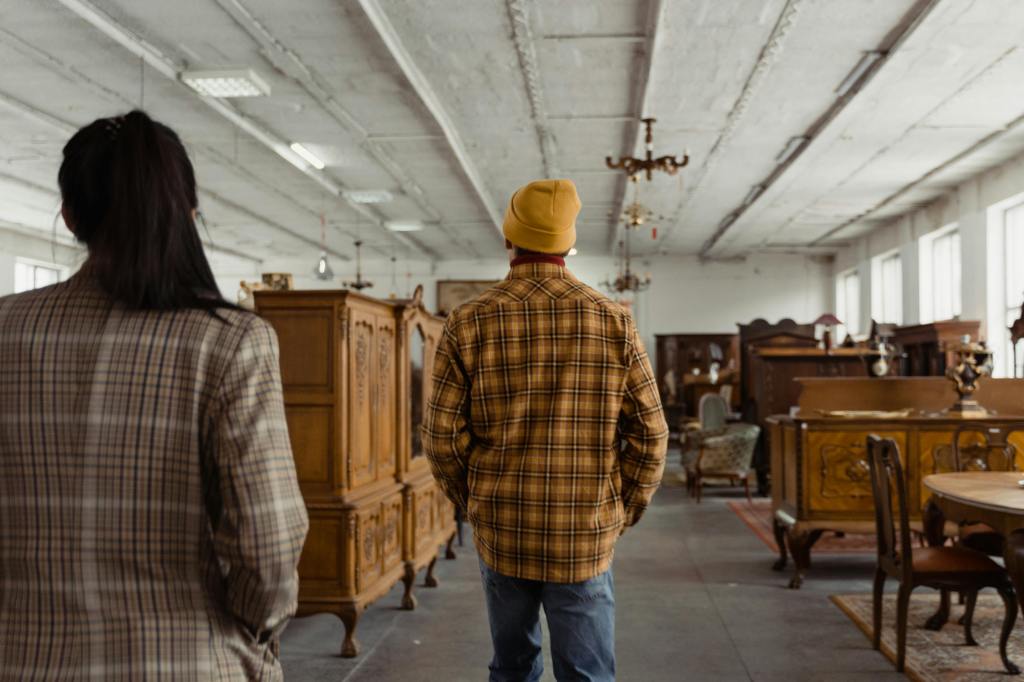
Buying furniture from local shops in your area will contribute to your local economy and reduce the carbon footprint and excessive packaging associated with transportation. There are several places to visit when looking for local second-hand furniture. Flea markets and antique stores are great places to go when trying to find vintage pieces with unique looks and history. Make sure to look into online stores such as Facebook Market Place, local groups and communities of people looking to sell their furniture, and eBay and local online second-hand stores. When shopping second-hand locally, you can have a look and feel of the furniture you’re adding to your green home while helping protect our planet.
Refurbish, get crafty & fix what you have

Sustainability starts with making the most of what we already have. Consider refurbishing and repurposing the furniture items you currently have or were donated to you. DIY projects and small restoration details can bring new life to old pieces, extending their lifespan and avoiding the environmental impact of buying new pieces while adding a personalised touch to your home.
Invest in sustainable, built-to-last pieces

Sustainable furniture is made from renewable, biodegradable materials with less environmental impact than synthetic materials. Invest in looking out for natural or recyclable materials, such as bamboo, stone, glass, metal and ceramics, when shopping for furniture. Reclaimed and repurposed wood are excellent materials to look for. Their manufacturing process has a lower environmental impact than virgin wood, creating less waste and using less water while possessing a unique and durable look.
Research sustainable claims

With the increasing interest in sustainable, eco-friendly products, much attention is needed when scrutinising sustainable claims. When buying new furniture, take the time to research brands, their manufacturing practices and utilised materials, and their certifications. In sustainability, transparency is critical. We must make informed purchasing decisions while supporting companies committed to introducing sustainable practices and not utilising greenwashing tactics.
Look out for certifications such as:
Global Organic Textile Standard (GOTS) for textiles, focusing on tracing each material and looking at the entire process of the supply chain.
Forest Stewardship Council (FSC) focuses on processing, manufacturing and distribution of wood and the communities of the forest they manage.
Cradle to Cradle (C2C) for material health, reuse, renewable energy, social fairness and water stewardship.
 House Thirty
Leave a comment