

There is a significant disconnect between consumers and retailers, as consumers have driven the push for sustainability. Retailers and organizations need to align their offerings with consumers and younger generations that are placing emphasis on their values and connected causes before it is too late. A study has found that two-thirds of consumers will pay more for a sustainable alternative across all generations. Meanwhile, two-thirds of retailers believe consumers will only pay so much for sustainable items. This same study found that of surveyed retailers, 100% of them think that brand name is of utmost importance and ranks higher than sustainability.

Overall, the passage provides a clear and important message about the role of consumers in driving sustainable change. It highlights the disconnect between consumers and retailers and emphasizes the need for organizations to align their offerings with consumer values and priorities.
In comparison, only 56% of consumers in this study considered brand names somewhat or very important. These findings make it seem like we are on very different planets and may frustrate you or make you question why you, as a consumer, are so important. However, the urgency of the sustainability issue underscores consumers’ crucial role in driving change, making your choices more significant than you might realize!
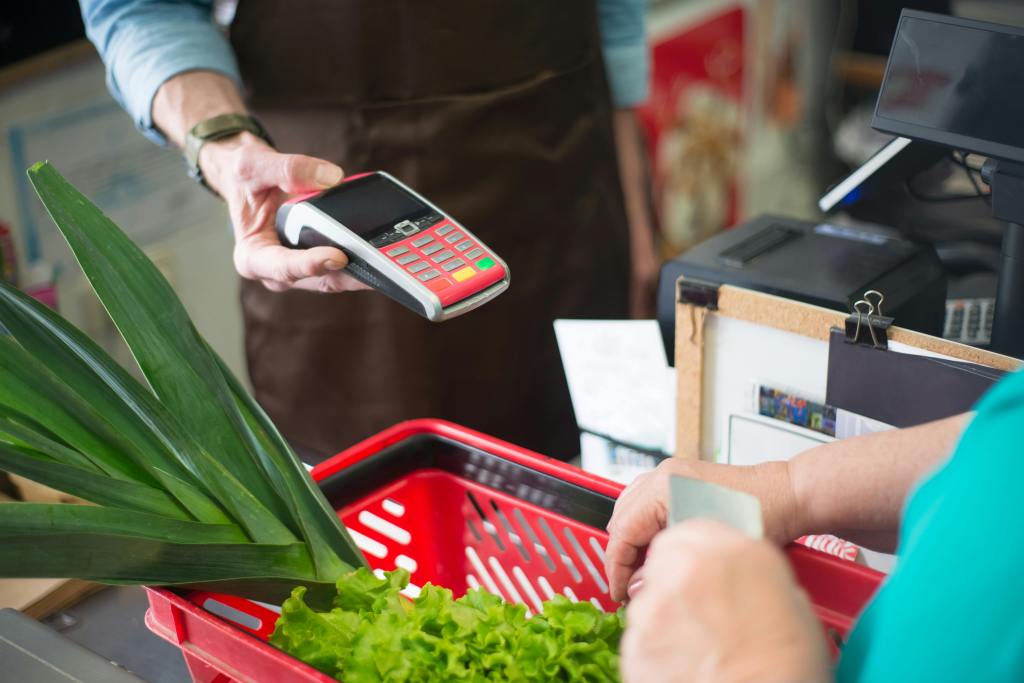
By acting on your care for sustainability through your purchasing decisions, you are actively voting with your wallet. You are saying no and putting your foot down to this idea that the brand name doesn’t matter; I want something more sustainable.
In the USA, consumer spending accounts for two-thirds of the country’s GDP, at approximately 14 trillion USD annually. Consumer goods hold a large subset of the global market, and they must shift to become more sustainable when that is precisely what consumers are showing them they are looking for.
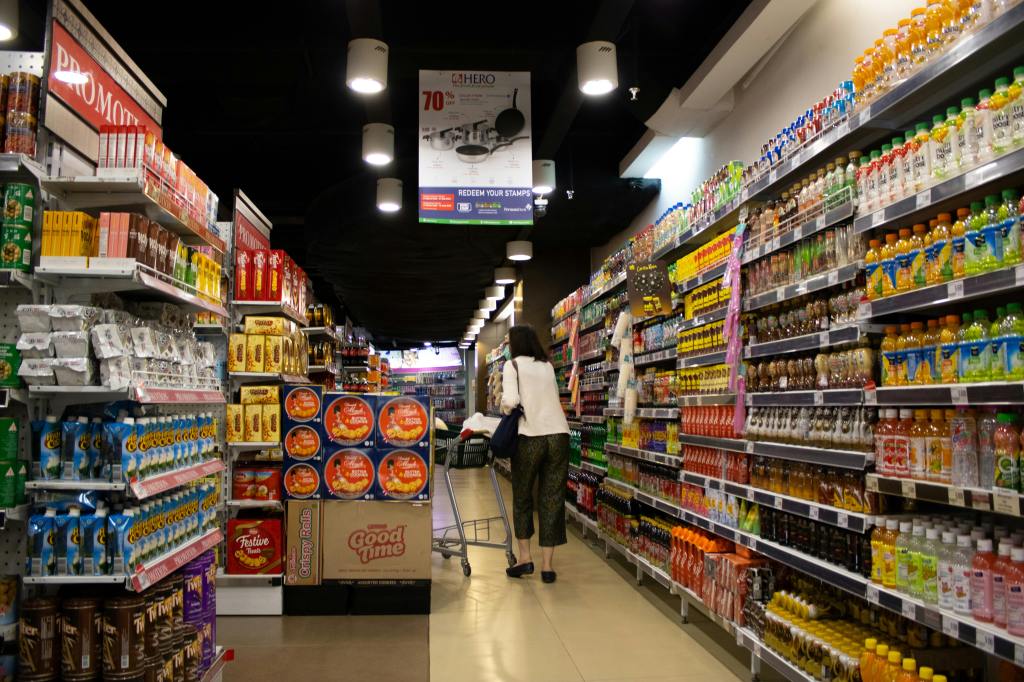
In some ways, we are already seeing the shift within consumer goods, with natural or bio foods or clean beauty in drugstores and makeup outlets. Some are purely marketing, while others contain labels from verified parties. They ensure fair trade, support social sustainability through ethical work practices, or commit to emissions reduction practices. To learn more about sustainability certifications to look out for, click here and here for our recent articles on the topic. Some of the most significant consumer trends expected are: This year is regarding sustainable and responsible brands and products and balancing quality and cost.
So, what can you do to act on your essential role in today’s growing sustainable economy?
- Slow down your consumption: give it a day or a week before purchase.
- Research alternative products: we sometimes think we are getting a deal or quality because we always used a brand; maybe there is something better out there in the market for you
- Take yourself to the store: check out the item IRL. Does it hold up to your expectations?
- Keep up to date with the news: are the companies you shop at upholding transparency?
Remember how important of a piece to this puzzle you are! Consumer packaged goods is a huge industry globally. If you aren’t seeing products that align with your values and desires for sustainability, don’t settle. Vote with your wallet!
 House Thirty
Leave a comment