
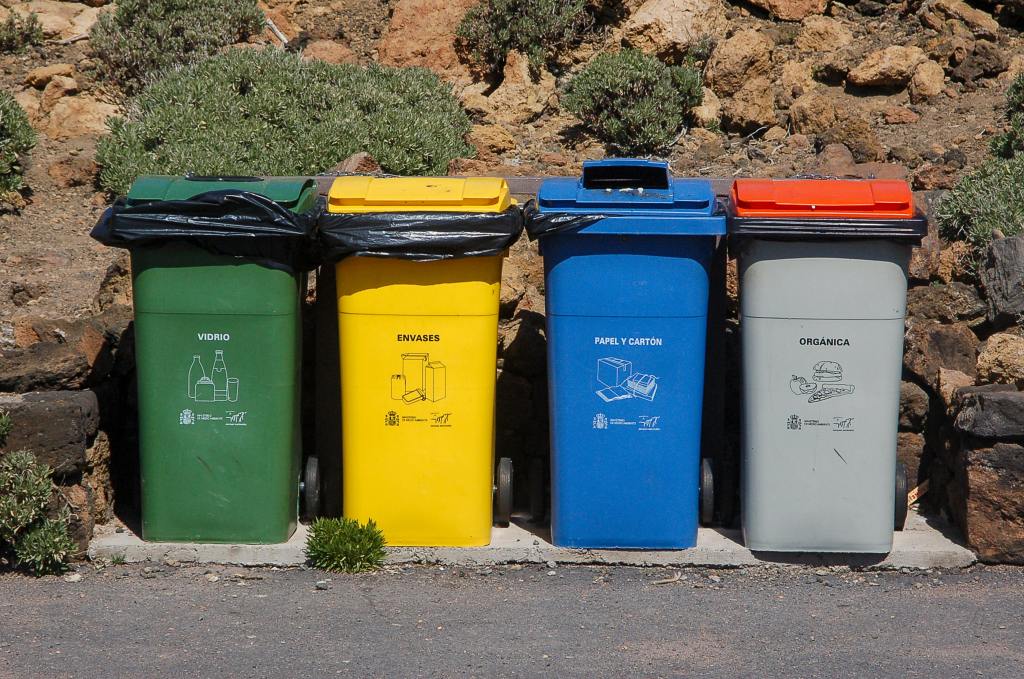
Much is talked about recycling in sustainable living. Recycling is a necessary and beneficial action for our planet, helping us conserve natural resources, save energy, and reduce waste and pollution. However, it can be very overwhelming if you’re first trying to understand how to separate your recyclables and do it effectively and correctly. When discussing recycling, it’s important to note that it should be the last resort for reducing our consumption and waste, and adopting a closed-loop economy is what we should work towards.
We understand that we still have much to do to arrive at a point where all companies and individuals are equally motivated to change how we look and deal with our waste and consumption. Yet, we must remember that every small step towards a greener and cleaner future is crucial, and being imperfect leads to a more perfect world. Recycling is an important start that we motivate everyone to take on, and yes, it can be a terrifying and lonely process at first. With that in mind, we have selected 3 main tips to turn you into a recycling pro.
For more information about reducing waste, closed-loop economies, and zero-waste living, check out our post: Zero Waste: What Does it Mean?
Learn how to determine if an item is recyclable
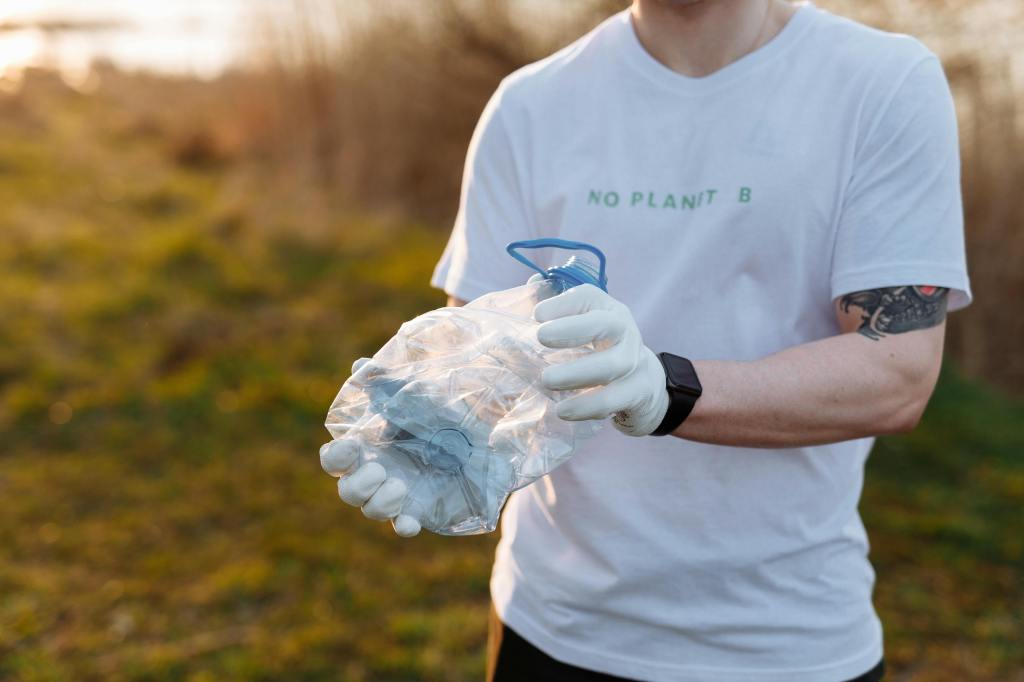
Have you heard of “wishcycling”? Perhaps not, but I can guarantee most of us have gone through it. It is the belief and hope that everything we toss in a recycling bin will be recyclable, even though we have no evidence to support our hopes. Sadly, not every item made of plastic or paper can be recycled. Plus, even though some materials are recyclable, like batteries or other hazardous materials, it doesn’t mean you can add them to your recyclables. To ensure you’re recycling correctly, check the packaging of each item you consume and with your local recycling program.
Research the recycling programs in your area
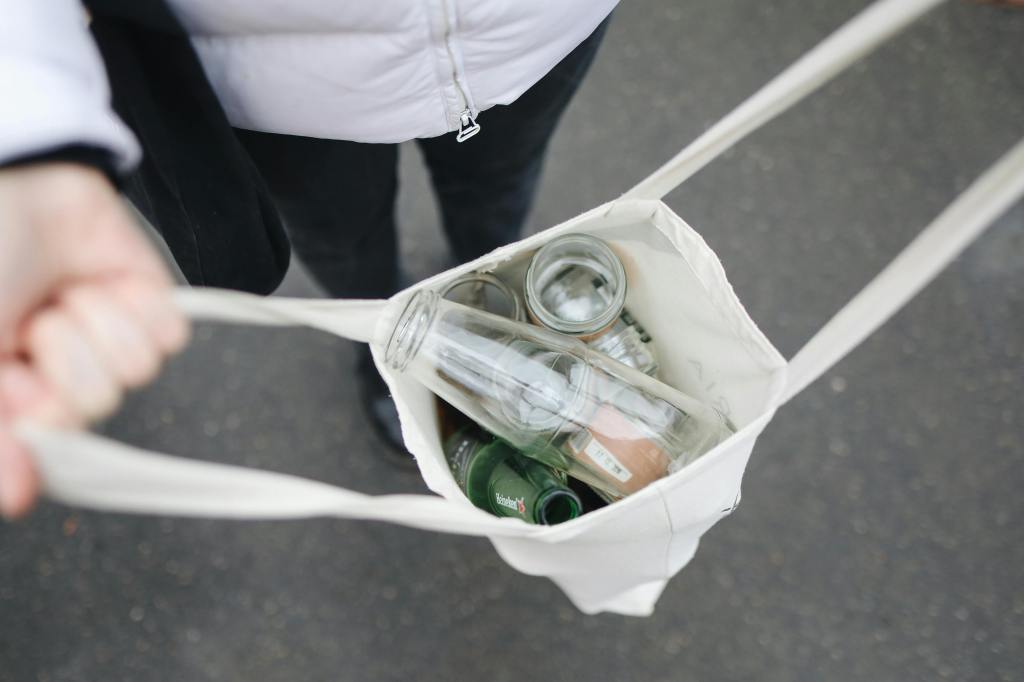
Each recycling plant and neighbourhood has unique regulations and processes. Being informed about what you can and can’t recycle is vital. Check with your city program to see what is accepted at your local recycling facilities. Some hard-to-recycle plastics or other materials may not be accepted. It’s also important to know what types of bags your recyclables must be in if picked up on your street or which bins you can place them directly. Following these rules ensures your waste is correctly and effectively recycled, making you feel more prepared and informed.
Empty, clean, separate, and dry your recyclables

Properly preparing your recyclables, such as rinsing out plastic, cans, and glass before placing them to be recycled, is a proactive step that can prevent them from contaminating a load and ending up in landfills or being incinerated. It’s also essential to remove any labels or caps that must be placed in a different recyclable pile to avoid them being rejected. Remember, rinsing out does not mean wasting water. You can place dishwasher-safe containers with your dishes to clean or quickly rinse those you can’t while doing your dishes. By taking these responsible actions, you’re contributing to a more sustainable future.
Bonus: Donate!

Check out your local recycling plants to see if they have any donation programs. Cities often have clothes donation bins scattered around the town or present in your local recycling sorting plant for you to deposit them. Keep an eye also for places where you can donate old furniture, metal, and other large materials or objects that can’t or aren’t picked up on your curb by your recycling company.
 House Thirty
Leave a comment