

Many members of the sustainability community consume meat for various reasons, such as cultural preferences, dietary requirements, or simply for enjoyment. It’s essential to explore how animal products can be incorporated into a diet along with plant-based meals sustainably.
The scale of industrialized farming is one of the key factors contributing to the environmental impact of animal products. Picture thousands of acres of farmland, each typically dedicated to producing a single product- be it grains, vegetables, beef, chicken, or dairy. This type of farming has far-reaching effects on our soil and water, as well as on animal and human health. While this type of agriculture was designed to feed the world and currently produces 2,800 calories for every person on Earth, people still go hungry, and malnutrition is a rampant issue worldwide.
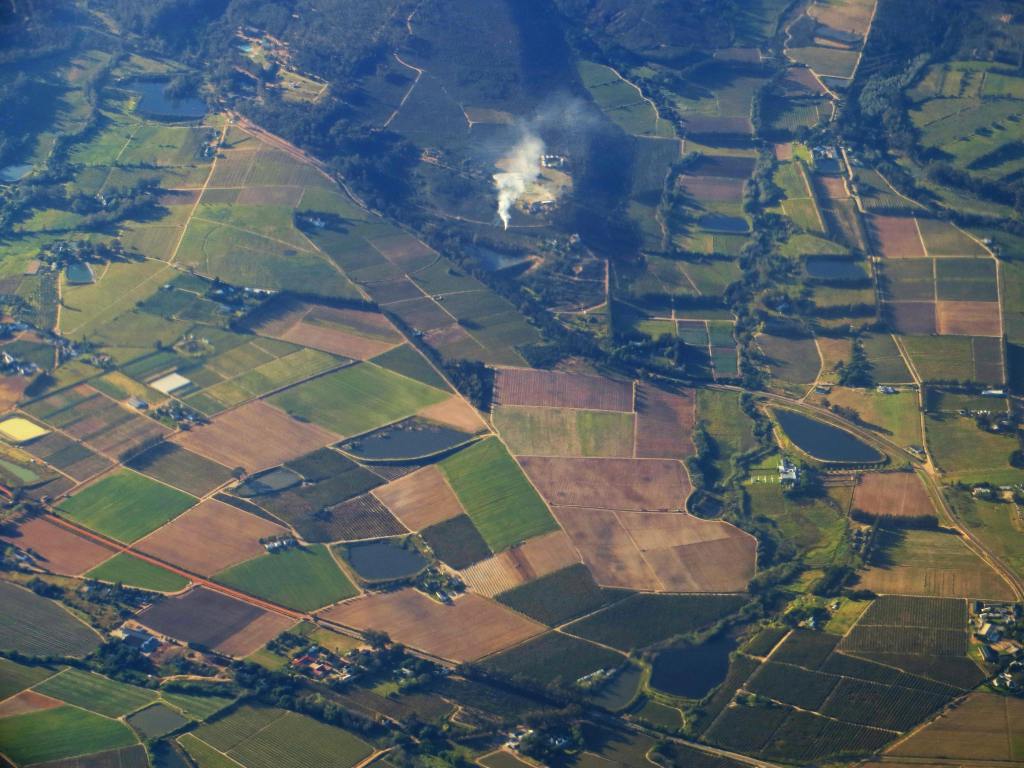
Why did we start farming like this?
Following World War 2, particularly in the US, those who experienced the Great Depression, hunger, or the effects of the war abroad felt great confidence in industrialized food products, and it was critical to feed their growing population. Bringing forward shifted towards modernized farming processes, leading to more specialization and factory workers. This brought a significant shift from self-sustaining family farms to industrialized practices as more people were brought to work in factories. Farms began to consolidate and, expand and specialize. They removed lifetime regenerative agriculture practices, conservation efforts, and supply management. Many farmers could not survive any longer due to the price drops that mass production brought.
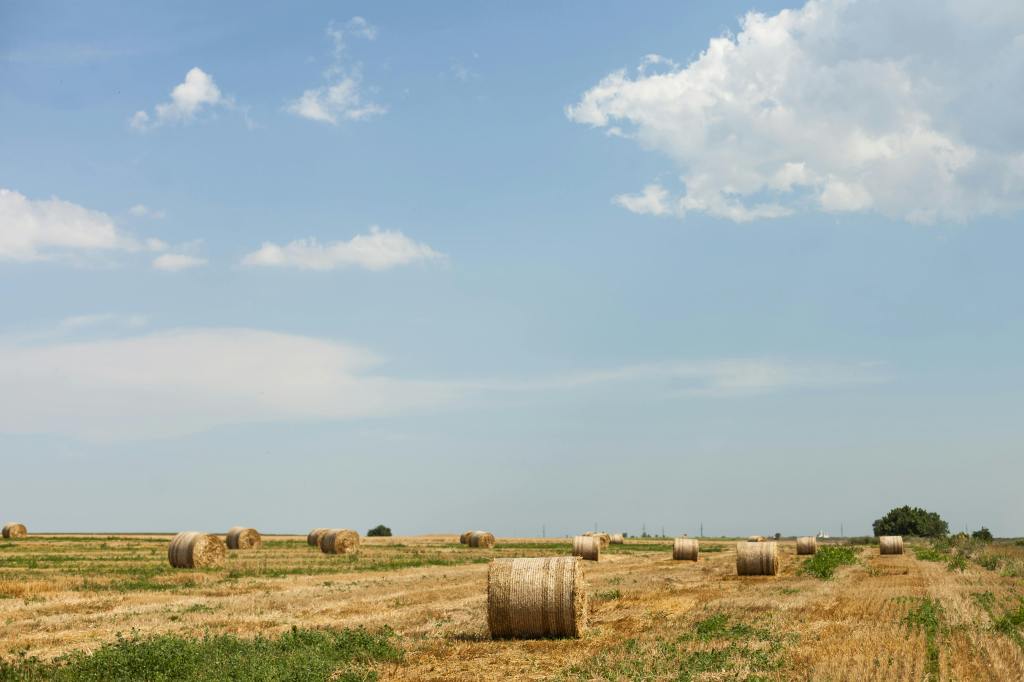
So, how can we farm sustainably?
Sustainable agriculture practices intend to operate the opposite way of industrialized agriculture. Instead of consuming finite resources until depleted, they want to grow organically through biodynamic and regenerative practices. We need to take a few steps backwards and bring back family and small to medium scale farming. These farms manage their inputs and outputs through a closed-loop system; for example, manure from farm animals can be used as fertilizer!! Sustainable farmers create a complex ecosystem within their farms that can be self-sustaining—participating in practices such as crop rotation to ensure soil enrichment over depletion. Free grazing of livestock reduces stress and illness in animals.
How do I start eating meat more sustainably?
Reducing your meat intake is essential for the health of our planet overall. If you are interested in seeking meat sustainably, there are a few things you can do!
First, Support local farmers! Farmers have experienced the hardships of industrialized farming and likely feel these impacts daily. Try to source your meat directly from the source. Many farms offer pick up and, in some cases, drop off meat products right to your door! By buying your products directly from the farm, you know who you are buying them from, the family you support, and the conditions of the farm environment.
Second, say no to grocery store meat! While some products may share stories of local farmers on the packaging, it is essential to do your research first. Most of the meat found in grocery stores is industrialized meat. This is an excellent way to vote with your dollar and choose the sustainable option.

Now, switching to sustainable meat may seem daunting, but it is well worth it! Do a quick Google search for farms in your area that offer meat for sale. This may give you a great excuse to get out of the city for a day on the weekend and check out a new area!
 House Thirty
Leave a comment