

Having a zero-waste kitchen goes further than buying eco-friendly scrubs and soaps. The items we use daily to cook and prepare our food also profoundly impact our environment, which can unfortunately not be a positive one.
Sustainable cookware, the eco-friendly alternative to traditional ones, is made from materials that have a minimal environmental impact and are made from renewable, recyclable, and biodegradable materials. Due to the materials used for their production, sustainable cookware items are more durable and long-lasting than traditional ones. Their durability and non-toxicity help to reduce the need for frequent replacements and the chances of harmful chemicals being exposed to us and the environment.
While it’s true that not every cookware item can be found in second-hand stores, and not everyone might feel comfortable buying pre-loved, this practice’s financial and environmental benefits are undeniable. Buying pre-loved items gives them a second life, preventing them from landing in landfills and being wasted when they are still functioning and in good shape. Second-hand stores are treasure troves, and as they’re constantly receiving donations of kitchenware, cookware, and other cooking utensils you might need, who knows what unique pieces you can find at a fraction of the cost of a new one?
Are you looking to add sustainable and zero-waste cookware to your kitchen? Check out our list of the essential items every zero-waste sustainable kitchen should have.
Long Lasting Cookware
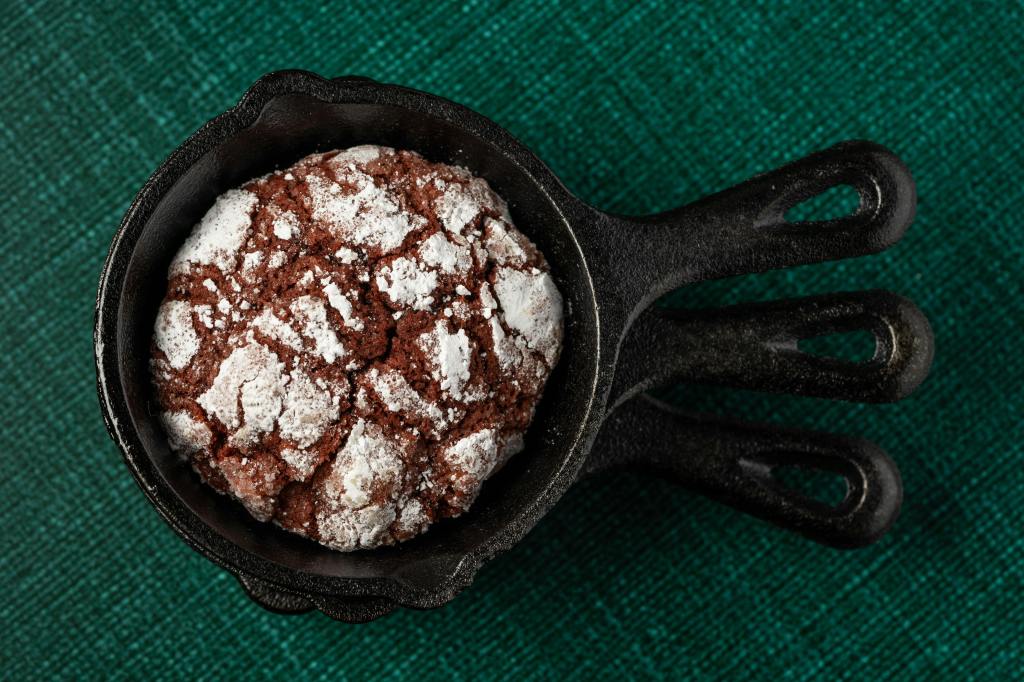
Items made from natural and renewable materials such as ceramic and cast iron are great additions to your kitchen. These sustainable and durable materials have significant advantages. Cast iron pans are indestructible; no grime or rust is enough to destroy them. With the proper care and lots of love, these pans will last generations in your family and provide excellent meals, as they are incredibly versatile and have outstanding heat retention and distribution.
Ceramic pans are gaining popularity in the kitchen because they are chemical-free and a sustainable alternative to traditional non-stick cookware. They are compatible with induction cooktops, are easy to clean due to their coating, and their designs will bring a whole new, gorgeous aesthetic to any kitchen.
Invest in Good Knives
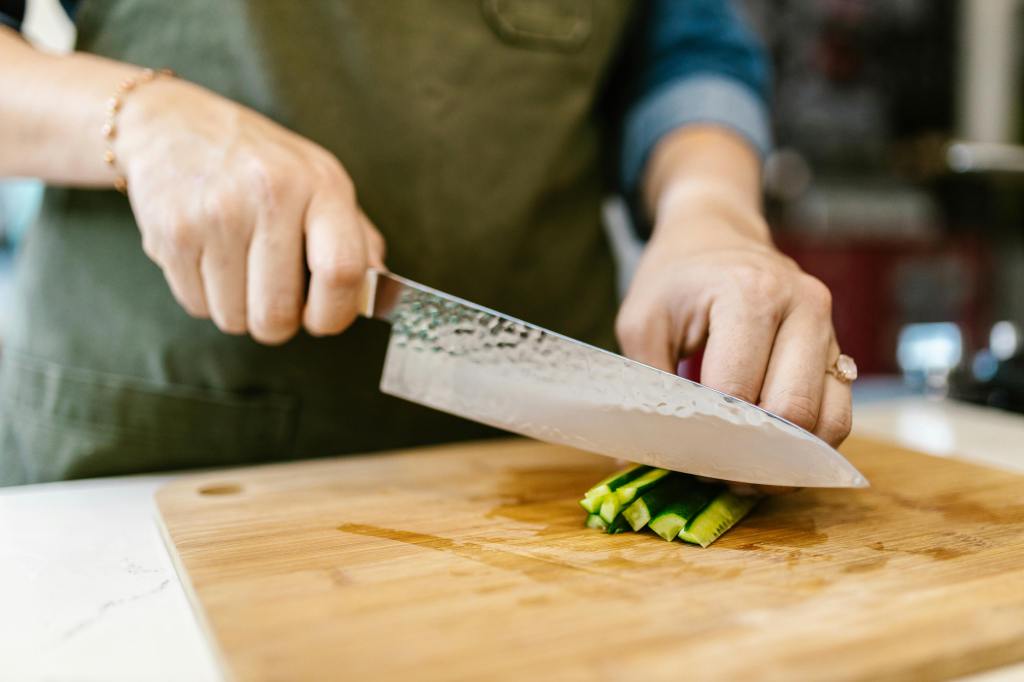
Selecting the knives you will use the most in your kitchen and researching which style and brand feel the most comfortable to you are crucial first steps. When needing new knives, we often purchase sets for their price, thinking the more knives we’ll have when cooking, the better. The truth is that we will only use the same 3 or 4 knives, and the rest will be ignored. Due to the affordable prices of these sets, the quality of the materials used tends to be lower, making the knives dull and impossible to sharpen fast. Purchasing high-quality crucial knives, such as a chef’s knife, a paring knife, and a serrated knife, will let your cooking skills shine while lasting a long time. Remember to keep your knives sharp, dry, and clean when storing them to ensure they’ll last longer.
Wooden Cutting Boards
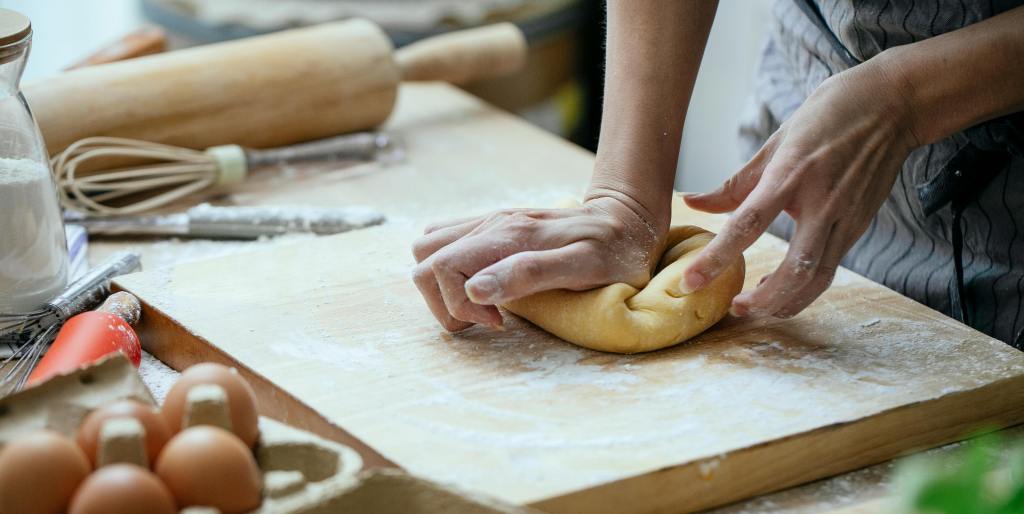
Gentler on your knives, durable, and safer as they don’t harbour bacteria; wooden cutting boards also don’t release microplastics into your food as you chop them, unlike plastic ones. A wooden board can last 5 to 10 years or even more if treated well. Clean, sanitise, and seal after each use to maintain the board’s function and longevity. Ensure that it is never immersed in liquids for long periods, as it can cause it to slip, and sanitise it by applying white vinegar with a cloth and then wiping it away. To seal it, apply a liberal amount of food-grade wood or mineral oil to all sides of the board while rubbing thoroughly. Reapply until it stops absorbing the oil, then wipe any excess off.
Wooden and Silicone Utensils
Practical, flexible, and non-stick silicone utensils are essential to all kitchens. Their heat-resistant and durable features allow them to be used in many versatile ways and come in many different shapes and sizes. If buying silicone utensils, choose brands that use safe, non-toxic, and high-quality materials.
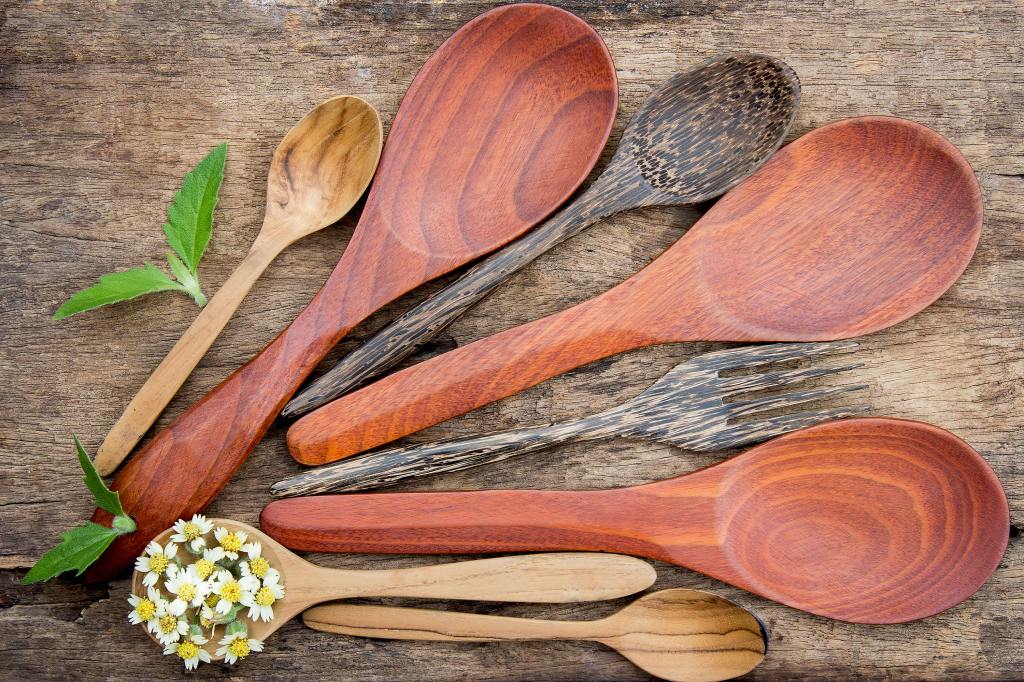
Made from renewable sources and gentle on cookware, wooden utensils are beautiful additions to every kitchen. However, differently from silicone utensils, they can absorb flavours and odours and require special attention when cleaning. Just like wooden cutting boards, they must be hand-washed, cannot be put in the dishwasher, and occasionally need to be sealed with oils to maintain their integrity, safety, and functionality. When purchasing wooden utensils, avoid purchasing softwoods such as pine and look for types such as oak, walnut, or maple, as they are more durable and heat-resistant.
Tip!
When buying new items for your kitchen, check thrift stores and online marketplaces for people reselling items and groups of people looking to swap items or sell them. Open markets, such as a flea market, are also great places to find unique pieces. Just remember to test appliances to see if they work as they should.
 House Thirty
Leave a comment