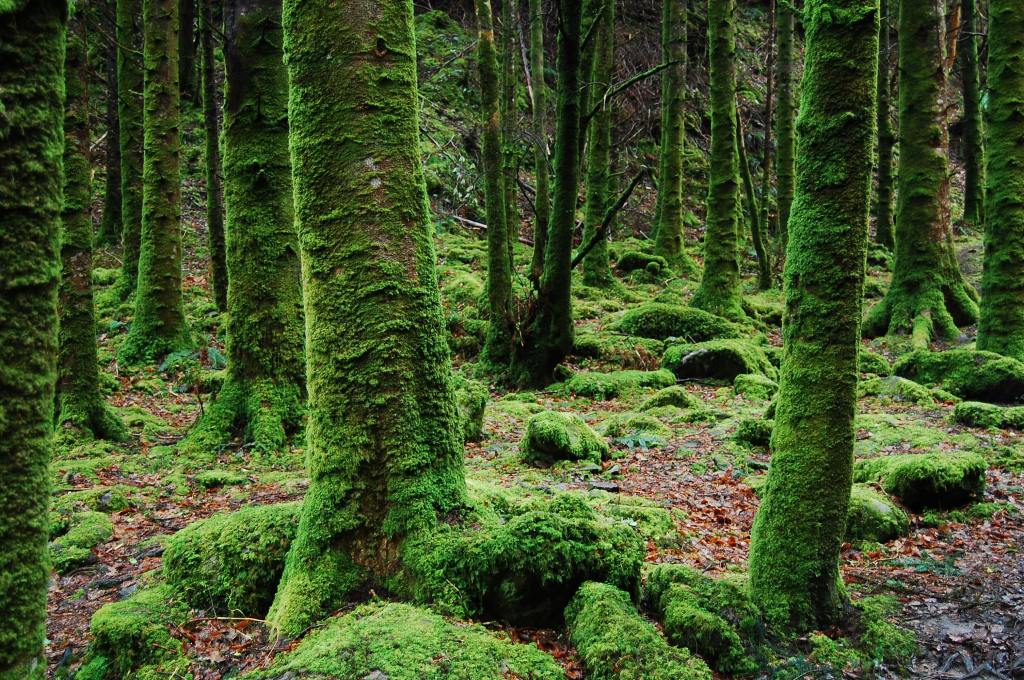
Biodiversity is often a term we hear when chatting about sustainability. You may have heard of incredibly biodiverse regions of the world! But what exactly is biodiversity? What makes a place high in biodiversity?
Biodiversity is the collection of different life forms found in one area and throughout the planet. These life forms include plants, animals, fungi, and bacteria. These living beings work hard to achieve balance in the area and beyond, supporting food and water systems.
Why is it so important?
Preserving biodiversity in our land and natural areas is not just a good idea, it’s a necessity. Our industrial practices and consumption patterns are like a wrecking ball, putting immense stress on the planet. We’re losing biodiversity at an alarming rate, and climate change is only making things worse.
Losing biodiversity impacts us all. We are currently experiencing an unprecedented decline in biodiversity around the globe. It has been estimated that around 1 million animal and plant species will be threatened with extinction within decades.
What are the drivers of biodiversity loss?
Invasive Species We have introduced over 37,000 invasive species into our environments. These are animals, fungi, microorganisms, and insects that have been introduced into an area and have, in many ways, taken over, impacting native plants, species, and biomes.
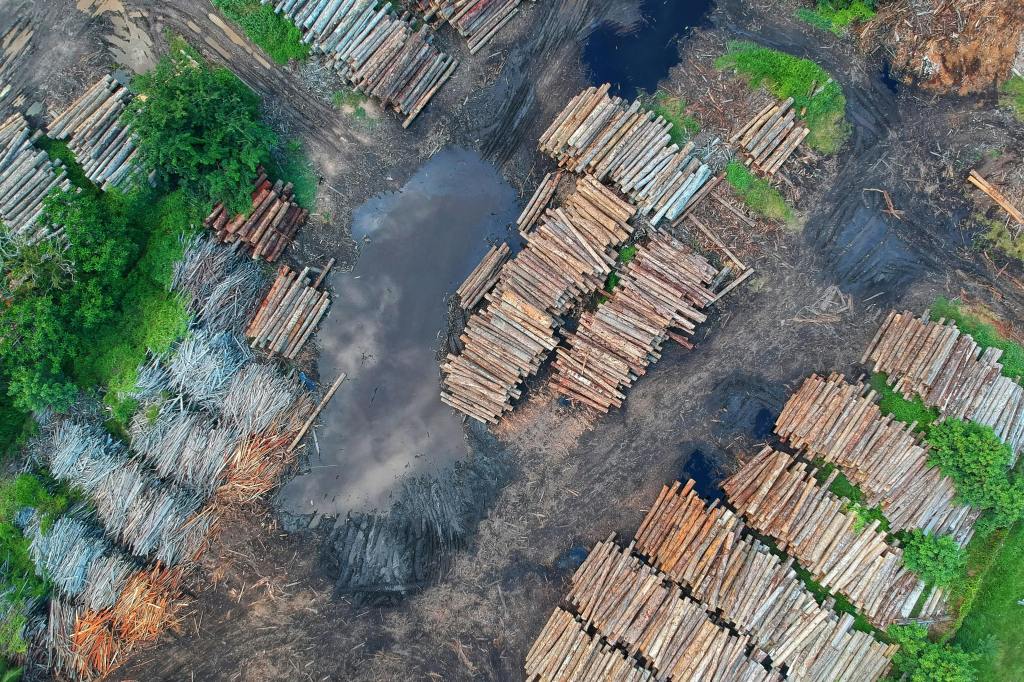
Changes in Land and Sea Use This includes transitioning sea and land spaces to industrialized activities such as agriculture, mineral and resource harvesting and urban development. Damaging the existing biodiversity of these areas.
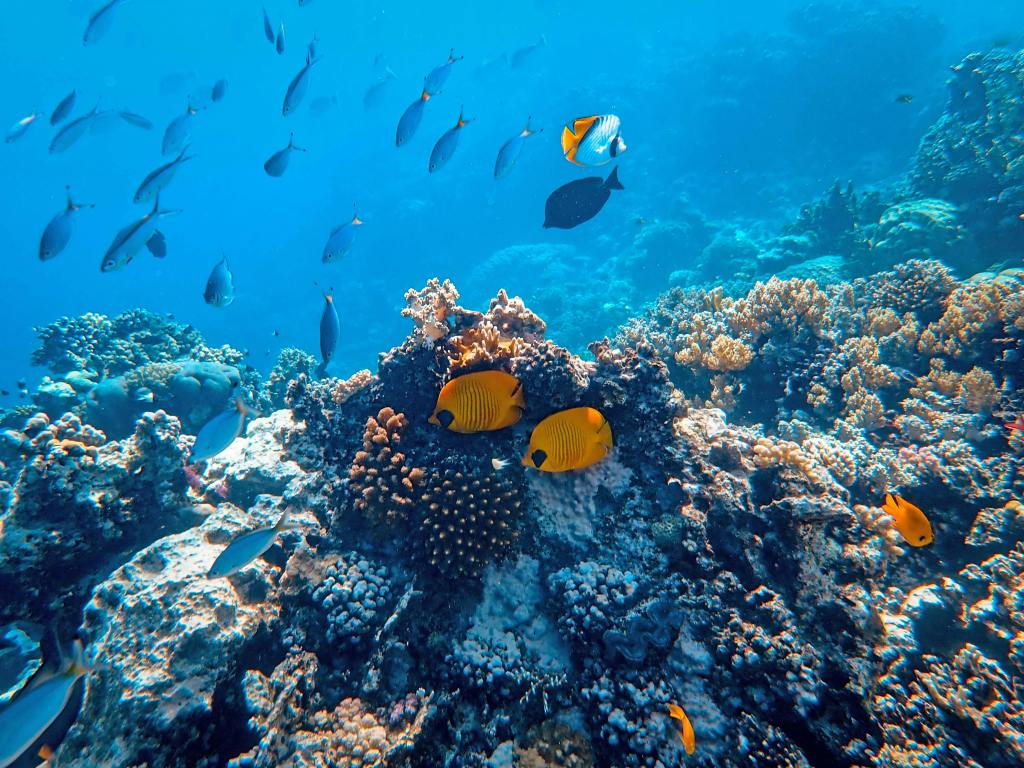
Climate Change Global warming and natural disasters impact natural areas daily, especially vulnerable ecosystems like coral reefs.
Pollution This includes chemicals and waste, insecticides, plastics, and air and water pollution.
Direct Exploitation of Natural Resources This includes harvesting wood, deforestation, and mining and extracting.
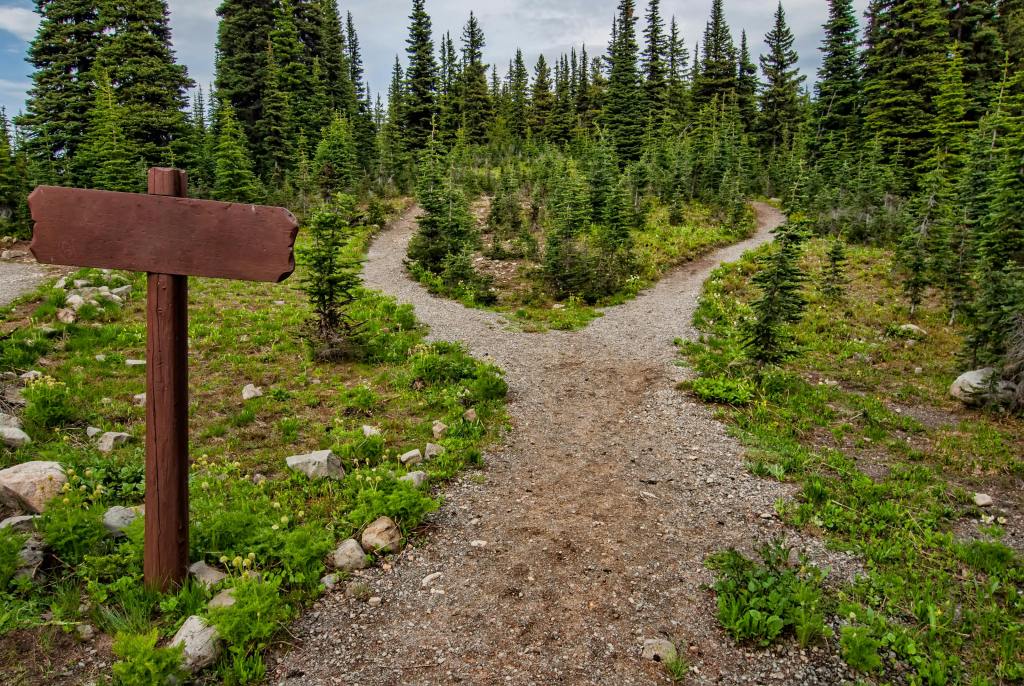
What are ways you can increase biodiversity?
Compost, create a natural fertilizer for your plants.
Naturalize your lawn by selecting vegetation types that will thrive naturally in your outdoor space.
Plant native species and contact your local conservation authority to learn more about what is naturally found in your area.
Plant a pollinator garden to help support bee populations in your area.
Avoid chemicals, fertilizers, insecticides, herbicides, and pesticides.
Respect local habitats, stick to the trail and pick up litter.
 House Thirty
Leave a comment