
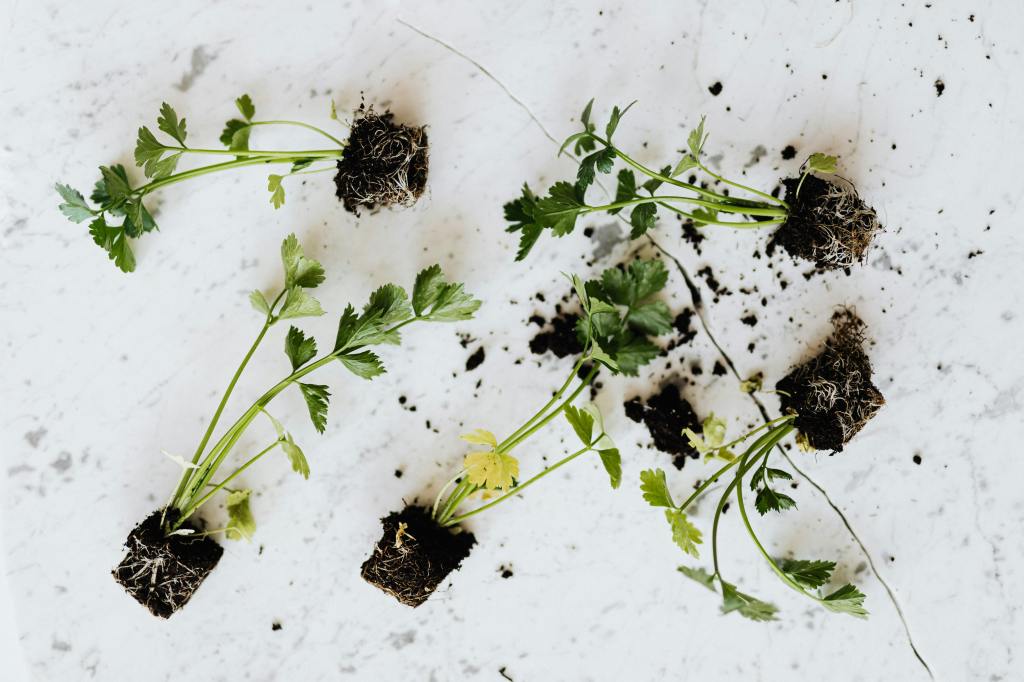
Regrowing food from kitchen scraps is not just a way to reduce food waste and save money; it’s a delicious and fun journey towards sustainable living. By regrowing some of your favourite foods straight from your kitchen, you can enjoy a continuous supply of fresh produce, reduce consumption, and nurture a delicious, green, sustainable kitchen.
Starting to regrow your kitchen scraps can be confusing, as not all foods work well with limited space. Thus, we have created a mini guide on the 4 easiest foods to regrow at home from your scraps.
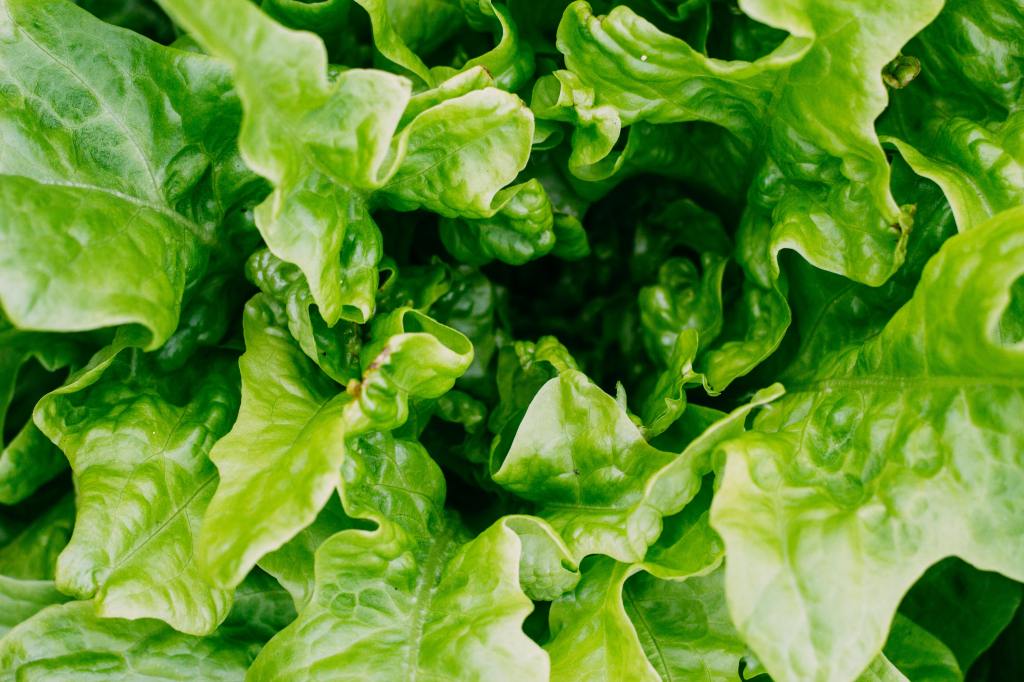
Lettuce
How to:
- Quickly grow lettuce from its base by placing the bottom of the head in a bowl with shallow water.
- Keep the bowl in a bright area, and change the water every few days.
- Once new leaves start sprouting from the centre, usually within a week, wait for substantial growth before transplanting them into the soil to continue growing.
Green Onions
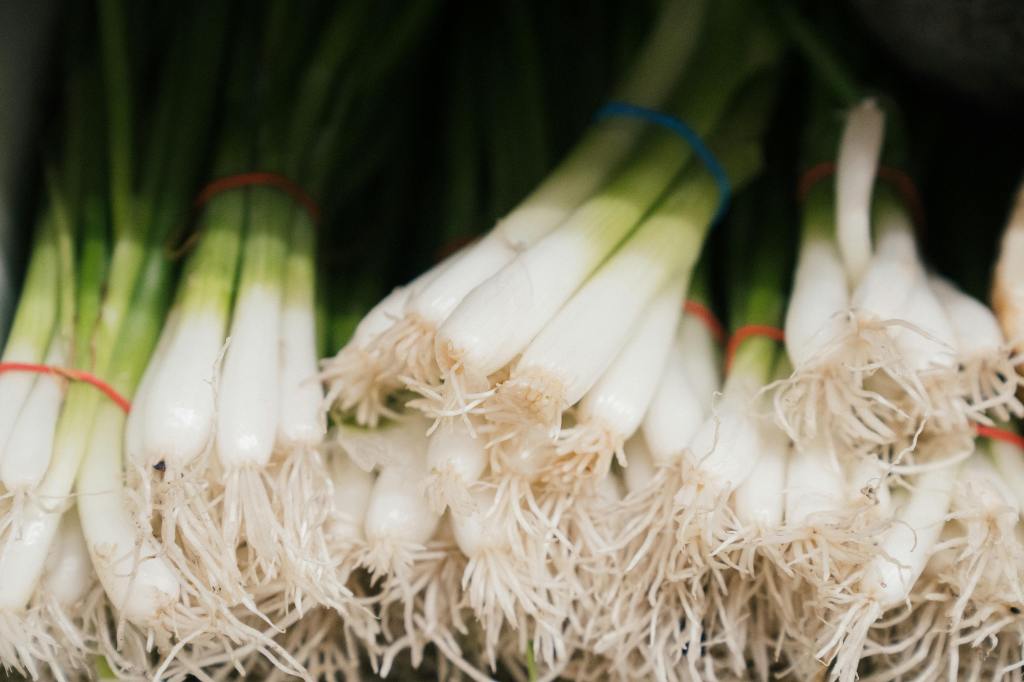
Perhaps the most famous kitchen scrap to replant, they are the easiest vegetable to regrow at home.
How to:
- Simply place the white roots in a glass of water, ensuring they are fully submerged, and the tops are above the water.
- Change the water every few days and keep the glass in a sunny area.
- Results can be seen within a week, and you can start foresting your new green tops once they reach a reasonable height.
Celery
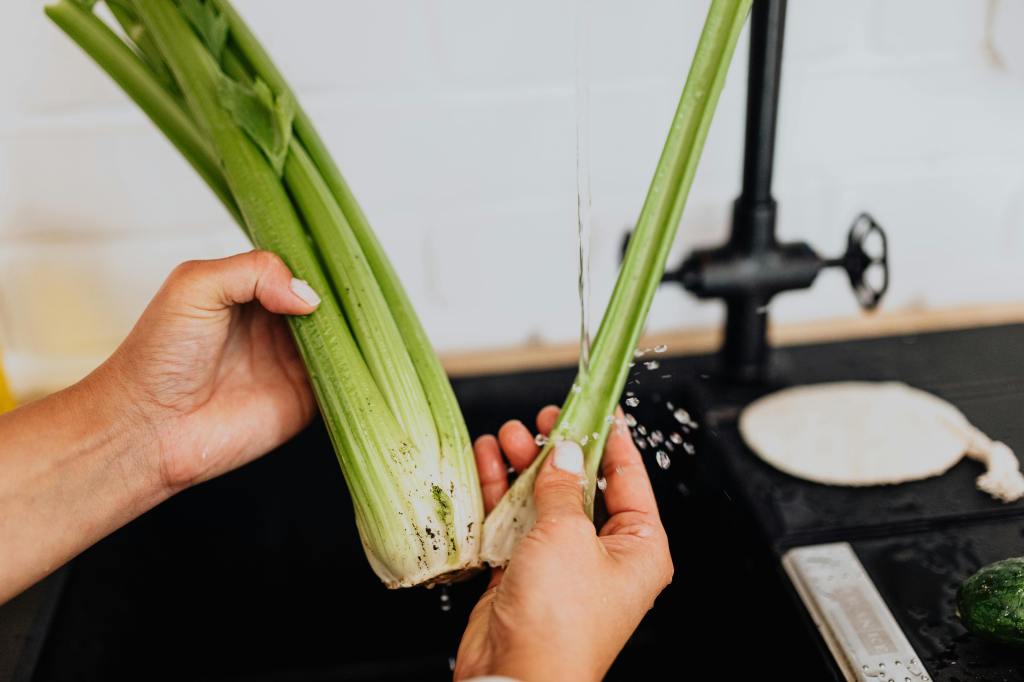
Just like lettuce, you can quickly regrow celery from its base.
How to:
- Cut the bottom 5cm of the celery bunch and place it in a bowl with shallow water.
- Place the bowl in a sunny spot and change the water every few days. You should be able to see growth in about a week, with new leaves and roots appearing.
- You can then transplant your celery into the soil.
Herbs
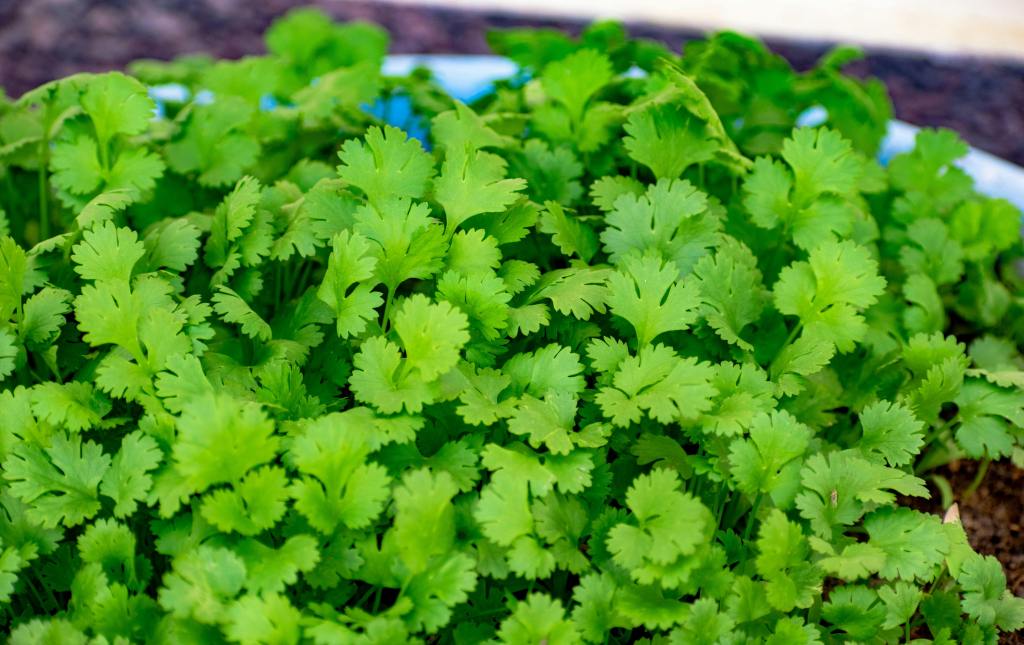
Herbs like basil, oregano, mint, sage, coriander, and thyme are delicious and can be easily regrown from cuttings.
How to:
- Take a fully grown stem and remove the bottom leaves.
- Place the cutting into a glass of water in a sunny area, remembering to change the water every few days.
- Once roots have started to appear, you can transplant it into soil.
 House Thirty
Leave a comment