

It is less common to think of the environmental impact of your morning cup of coffee! You may have thought of where your beans came from when you buy them at the store or browse the Nespresso site for new pods. Selections from Mexico, Ethiopia, and Costa Rica are branded for their rich and delicious flavours. Have you taken a deeper look past the branding? Have you thought of the process those beans go through before they are fragrant and have a gorgeous roasted brown color?

As we have discussed in our previous articles, being a conscious consumer is crucial. Small choices can lead to significant changes, and this is particularly true in the coffee industry. With over 9.5 billion kg of coffee produced yearly and the demand for these beans expected to triple by 2050, there is a significant opportunity for positive change.
So what’s to consider?
The production process of coffee contributes most of the beverage’s GHG emissions, typically seen at 40-80%. Traditionally, coffee was grown under the tree canopy or in the shade. As the plants themselves are small shrubs. As coffee has become commercialized, in many cases, it is no longer grown under tree coverage. Producing the beans in a mass agricultural environment exposes the shrubs to more elements, including the sun. This will lead to the adoption of intense irrigation and fertilization processes to ensure the crop’s success.
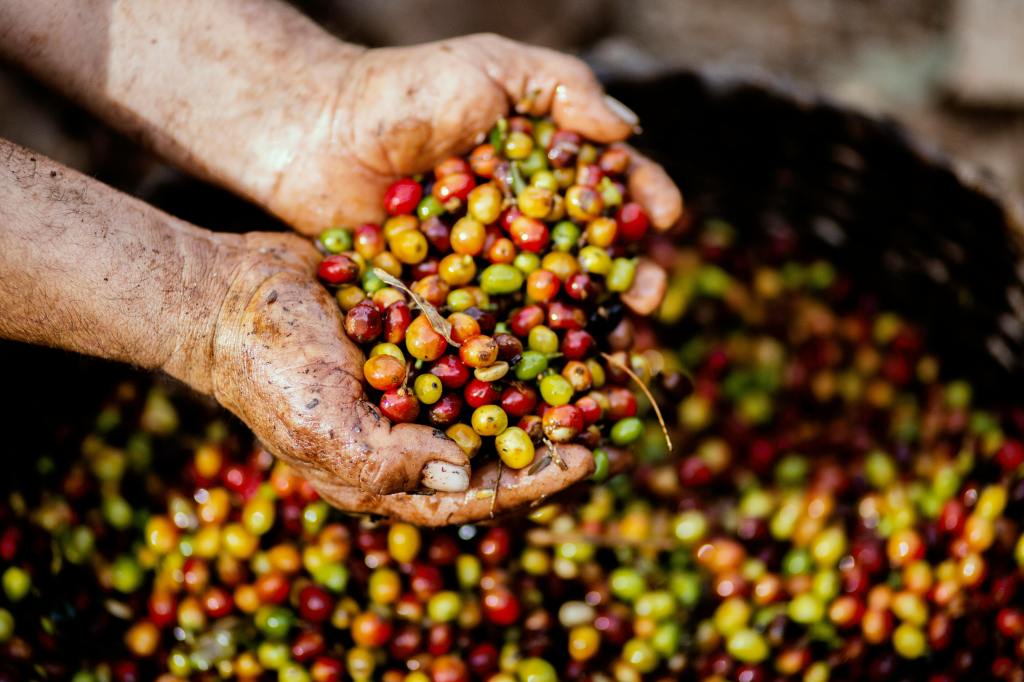
The labour force within the coffee industry is a crucial aspect to consider. Farmers provide the beans for our beloved coffee beverages, so ensuring their farms are free of forced and child labour is essential. This is especially true as it takes millions of farmworkers to produce the volume of coffee that we see. By considering the human aspect of coffee production, we can all play a part in creating a more socially responsible industry.
What can you do to contribute to a more environmentally and socially responsible cup of joe?
Your individual choices can make a significant difference. You are contributing to a more sustainable coffee industry by choosing sustainably grown and produced coffee.
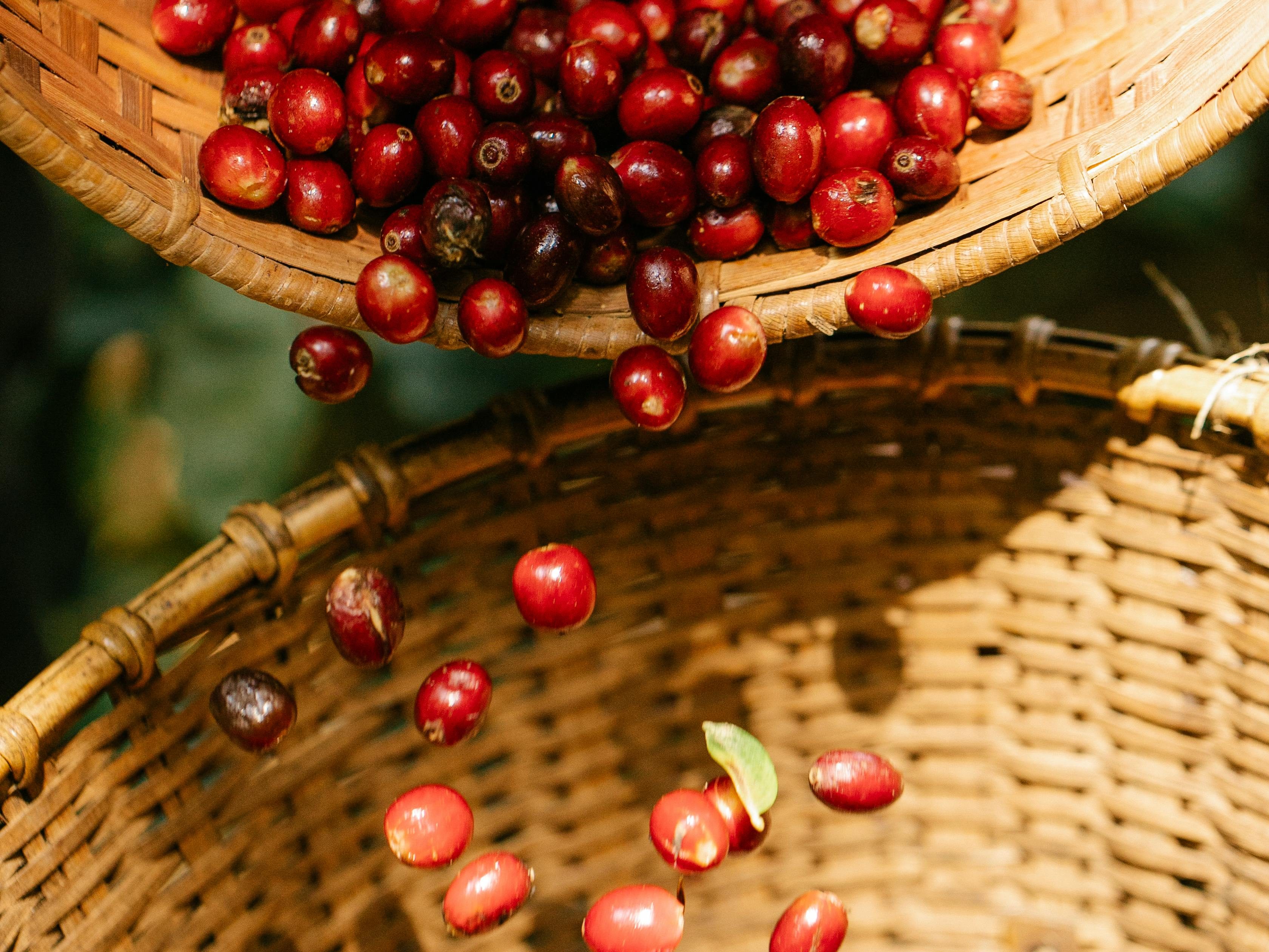
Go sustainable!! This might seem obvious, but seeking sustainably grown and produced coffee makes a difference. A lifecycle assessment found that sustainable coffee had a 77% lower carbon footprint than conventional coffee. This was primarily due to slow shipment methods – like putting coffee beans on a ship for their world tour instead of planes. This percentage is expected to be much higher through renewable energy, sustainable agriculture practices, and packing.
As for the human aspect of coffee, several reputable organizations are working to ensure that the coffee you drink is not farmed or processed by anyone experiencing forced labor. Fair Trade and the Rainforest Alliance are suitable certifications to look for on your bag of beans. The Rainforest Alliance has accounted for over 300,000 people working on certified farms that are committed to the fair and ethical treatment of workers, with a commitment to socially sustainable businesses becoming the norm.
 House Thirty
Leave a comment