
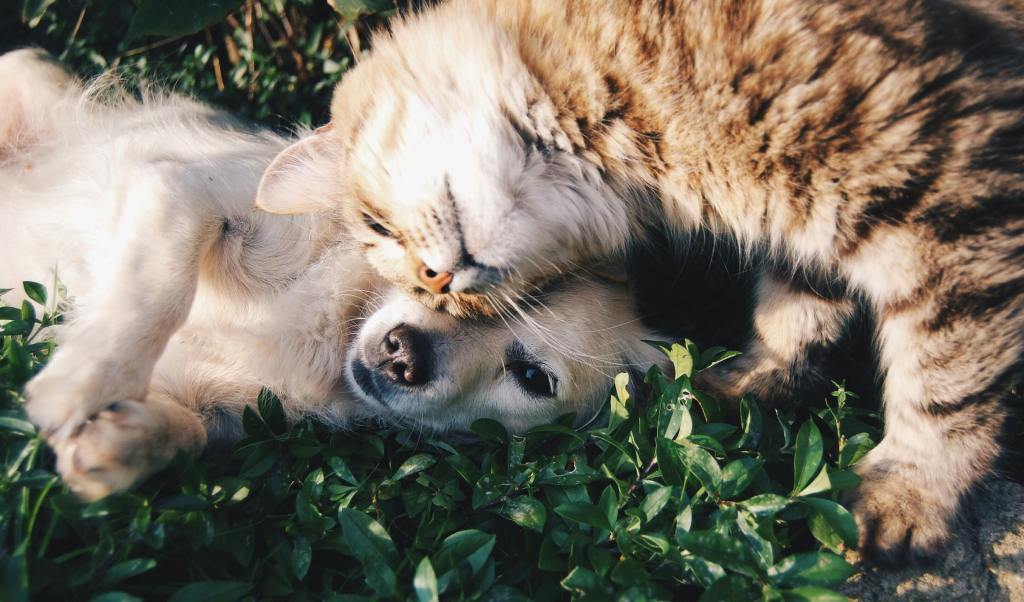
We are constantly reminded of our environmental impact and worry about how to minimize it. But do we ever consider the impact of our fur animals? As pet parents, we must consider how our pet care choices can contribute to a more sustainable lifestyle. From adopting a pet in need to choosing eco-friendly products, there are many ways to ensure that your love for your furry friend aligns with your commitment to the planet.
In this post, we’ll explore some practical and impactful tips for introducing a sustainable, pet-friendly living style.
Adopt, Don’t Buy

Adopting rather than shopping is one of the most impactful choices when adding a pet to your life. Shelters are often at maximum capacity, full of lovely cats and dogs waiting to find a forever home. Adopting your fur friend also means reducing the chances of animals getting euthanized or living in poor conditions. Awareness of the problems and dangers of puppy mills and backyard breeders is also vital. Those commercial breeding facilities mass-producing dogs and cats often do not treat our fur friends with love, care, and proper conditions. The animals are usually put in overcrowded cages, suffering in extreme weather and living and sleeping in their excrement. Those poor conditions frequently lead them to get sick or die with little to no veterinary care.
Extend your ethical and sustainable values to your new friend’s life and choose to adopt.
Buy or Make Sustainable Pet Food
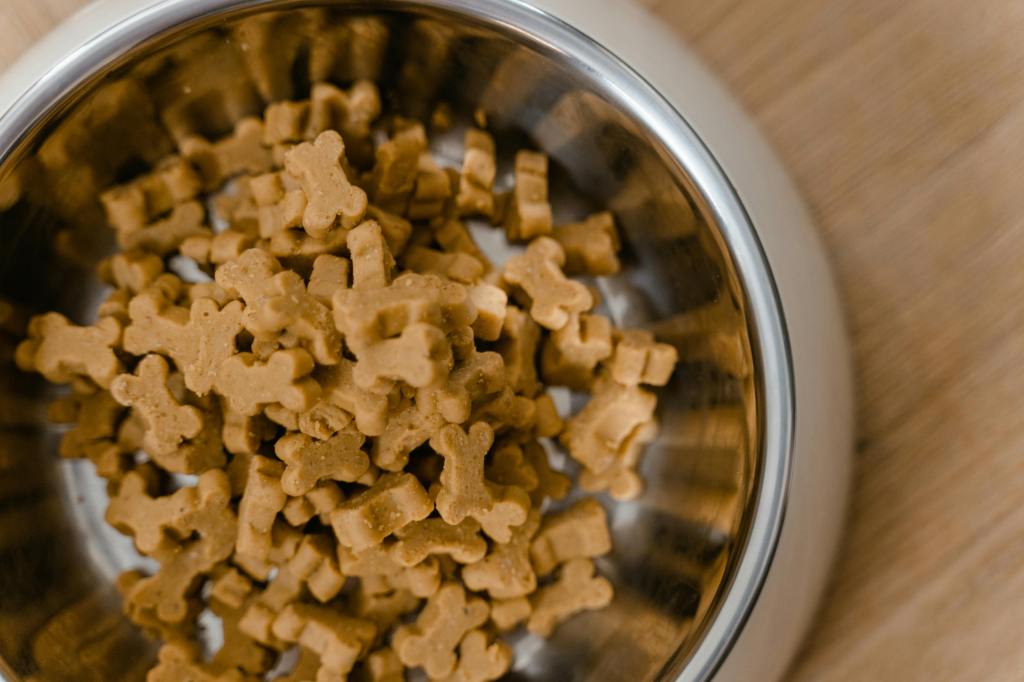
It might seem harmless to feed your loved pets with store-bought food. But have you ever stopped to wonder about their “environmental paw print”? The name might be cute, but unfortunately, recent studies have found that an area twice the size of the United Kingdom is used to produce dry pet food for dogs and cats. The study analyzed more than 280 types of dry pet food sold in the United States and Europe – as these regions account for two-thirds of global sales. The analysis revealed that most pet food is made with maize, rice, and wheat , and its global production accounted for an average of 106 million tones of carbon dioxide. These emissions make it the 60th emitter of greenhouse gas emissions if it were a country.
But what can be done to avoid this?
It is vital to find new sustainable solutions for pet food. Investing in researching alternatives for protein-rich food sources, such as insects, can be an industry-changing solution. To reduce this footprint, you can opt for pet foods that are ethically sourced, sustainably packaged, and that emphasize overall sustainable responsibility in their value chain. Additionally, buying pet food in bulk or cooking a balanced meal at home provided by your veterinarian based on your pet’s needs can also be great ways to introduce sustainable practices in your pet’s meal times.
Say No to Pet Waste Pollution
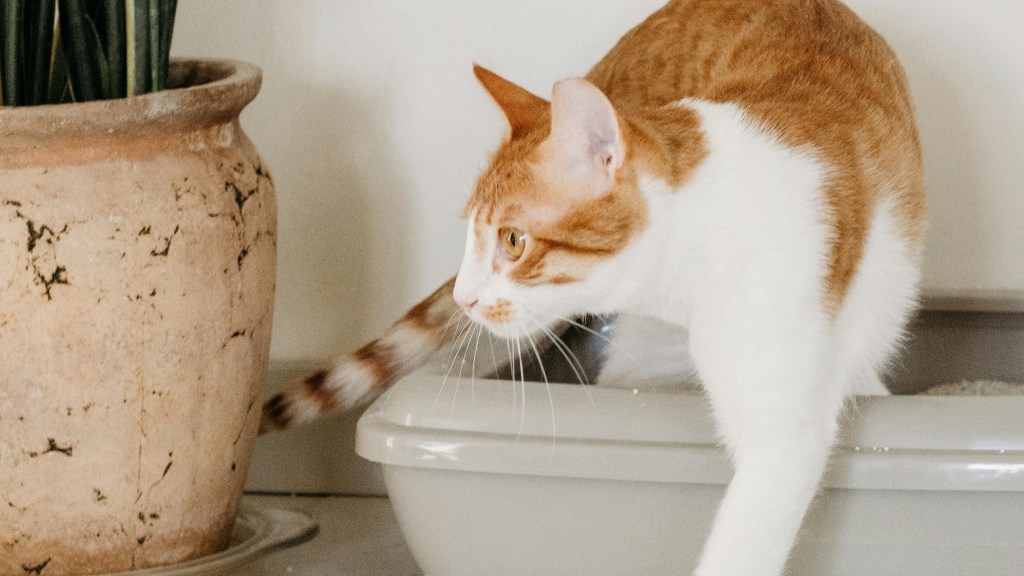
Taking proper care of their waste is a matter of keeping our environment clean and protecting public health. It’s a simple yet powerful action we can all take. Picking up your pet’s litter from the streets, gardens, and public spaces is a simple 2-minute task. Unfortunately, we often see pet waste lying around unpicked. Picking up after your pet is critical. During rainfall, pet waste left in trails, streets, gardens, and beaches is washed down into storm drains or natural bodies of water. This waste contains pathogens such as bacteria, parasites, and viruses and can strongly harm our health and the environment. Pet waste also demands a lot of water oxygen as it decomposes, threatening to kill fish and plant life.
Pick up your pet’s waste with biodegradable waste bags and adequately dispose of it. Also, choose environmentally friendly, biodegradable litter for your cat friends, such as those made of pine, recycled paper, or wood.
Spay or Neuter Your Pets

Spaying or neutering your pets is one of the most critical steps in reducing the number of abandoned pets in shelters or streets that are euthanized, neglected, or die of diseases. Sterilizing your pets is also vital to prevent their population from increasing and exceeding its natural size. By neutering your pets, you prevent them from contracting breeding-related diseases like pyometra, TVT, and reproductive cancers.
 House Thirty
Leave a comment