
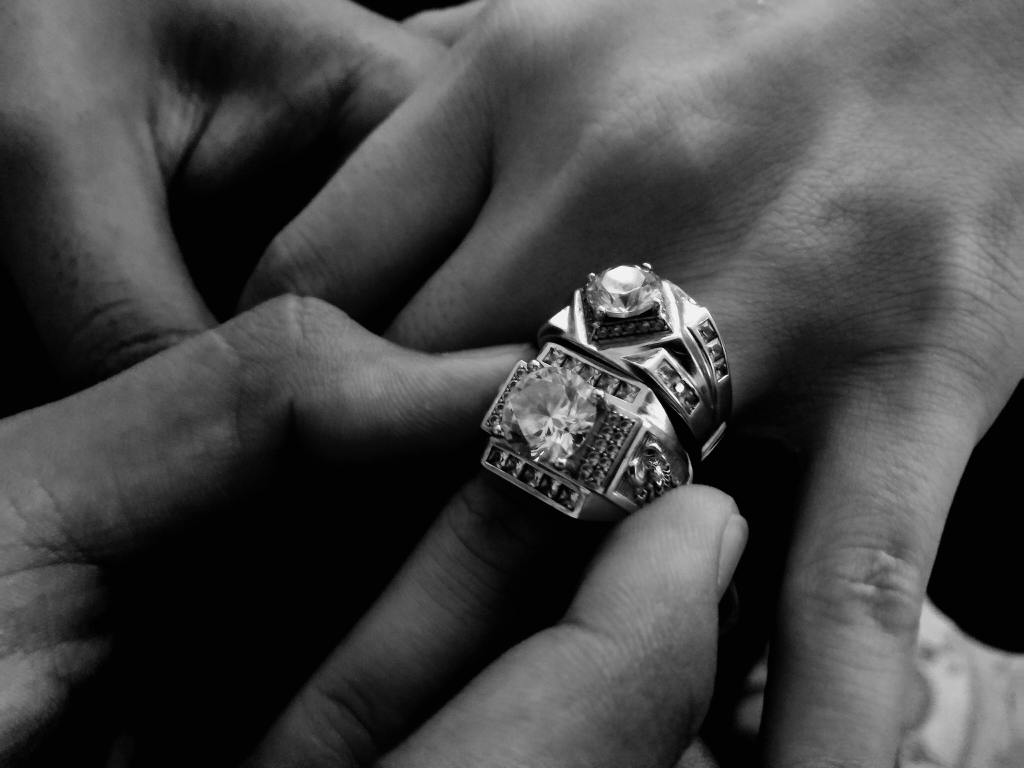
In the sparkle of the diamond world, lab-grown diamonds are becoming the new “it” thing, and it’s not hard to understand why. Cheaper than mined diamonds and identical to them aesthetically, lab diamonds are marketed as a more sustainable option for eco-conscious people.
It is easy for companies to market and advertise those diamonds as sustainable and ethical. But do we truly know if that is the case? Sadly, despite all the concerns about human health and environmental issues, people are still skeptical of the legitimacy and luxury of lab-grown diamonds.
In today’s post, we will dive into the diamond industry and the sustainability aspect of lab-grown diamonds.
Why Are Diamonds A Girl’s Best Friend?

Coined in 1946 by copywriter Frances Gerety, “A Diamond is Forever” is one of history’s most successful advertising slogans. Before, gems such as rubies and sapphires used to be more highly prized. However, jewelry company De Beers’ advertising using the iconic “Diamonds Are a Girl’s Best Friend” sung by Marilyn Monroe changed it all, boosting the gem’s popularity.
What Are Lab-Grown Diamonds?

Lab-grown diamonds are created using tiny carbon seeds from existing diamonds. They can be made in one of two ways: High-Pressure, High-Temperature (HPHT), or Chemical Vapour Deposition (CVD). These processes mimic natural diamond formation, resulting in diamonds with identical chemical and physical characteristics to natural (mined) diamonds. This innovative process makes it possible to have a stone that takes the Earth millions of years to grow created in just a few weeks with a more affordable price tag, costing 30% less than mined diamonds.
Environmental Impact & The Ethics Behind
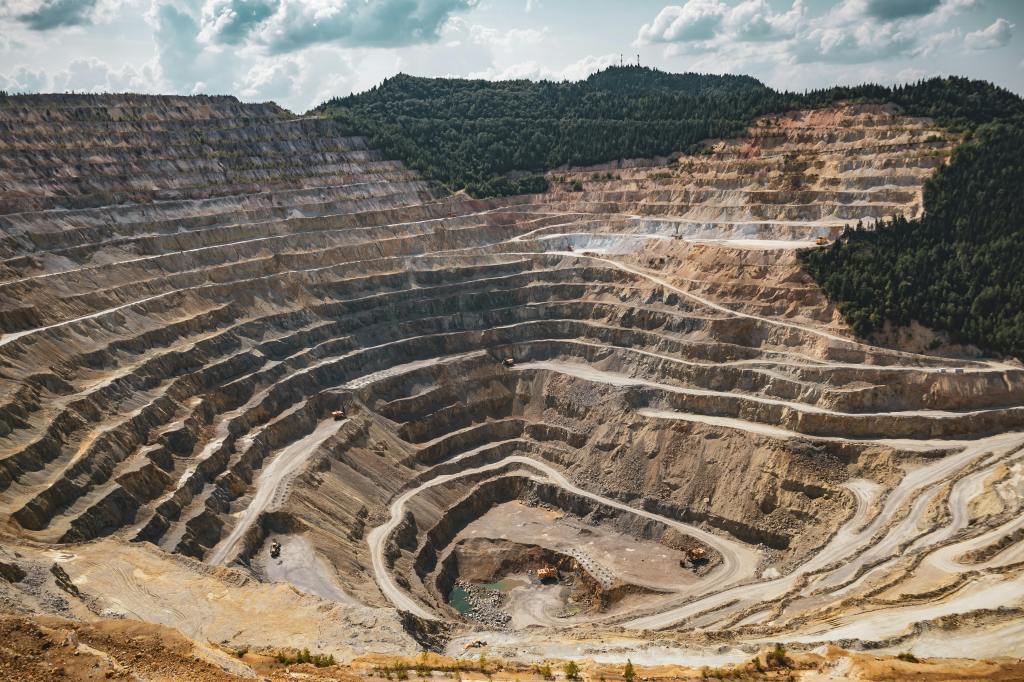
Finding genuine ethical diamonds can be a complex and lengthy process. Often violating human rights, mined diamonds are more likely to use child labour and have left children orphaned due to mining conditions. A recent report from PBS stated that almost one million children are currently working in mines in Africa for less than 2 dollars a day and often working 12-15 hours.
A Frost & Sullivan study comparing lab-grown and mined diamonds found that mining diamonds produces 4.383 times more waste than growing diamonds and 6.8 times as much water. Additionally, diamond mining aids in destroying seabeds and marine life and disturbing land, leading to biodiversity destruction and making the land unusable for future uses. The negative impacts on the land, such as the removal of vegetation and topsoil, lead to the displacement of fauna, releasing pollutants, noise, water waste, and pollution.
The industry’s scandal of the 20th century was blood diamonds, obtained through human rights abuses and used to finance guerilla warfare. This scandal resulted in 85 countries and the diamond industry signing a certification scheme called the Kimberly Process. Although many organisations and experts claim it is not enough to clean up the sector of its massive environmental, climate, and social problems, it’s argued to aid in reducing the flow of conflict diamonds worldwide.
Considerations

As expected, the mined diamond industry has hit back, claiming the labs are exaggerating their environmental benefits. Experts say that instead of competing with lab-grown companies on eco-friendliness, traditional miners should use the opportunity to introduce more sustainable practices in their value chain.
When buying a lab-grown diamond, you must ensure that the stone you purchase is certified and comes from a sustainable and ethical source – the International Gemological Institute (IGI) is one of the best certifications for lab-grown diamonds. Researching the retailer or maker of your diamond is essential, as they are often mass-produced in India and China, and many labs do not use renewable energy to grow their diamonds.
Overall, lab-grown diamonds offer a bright alternative to mined diamonds. They have environmental advantages and ethical sourcing, making them more appealing to consumers. However, like any gems or other products, their sustainability and ethics aren’t clear cut, and we consumers need to stay informed, research, and hold companies accountable for their impacts on the environment and society.
 House Thirty
Leave a comment