
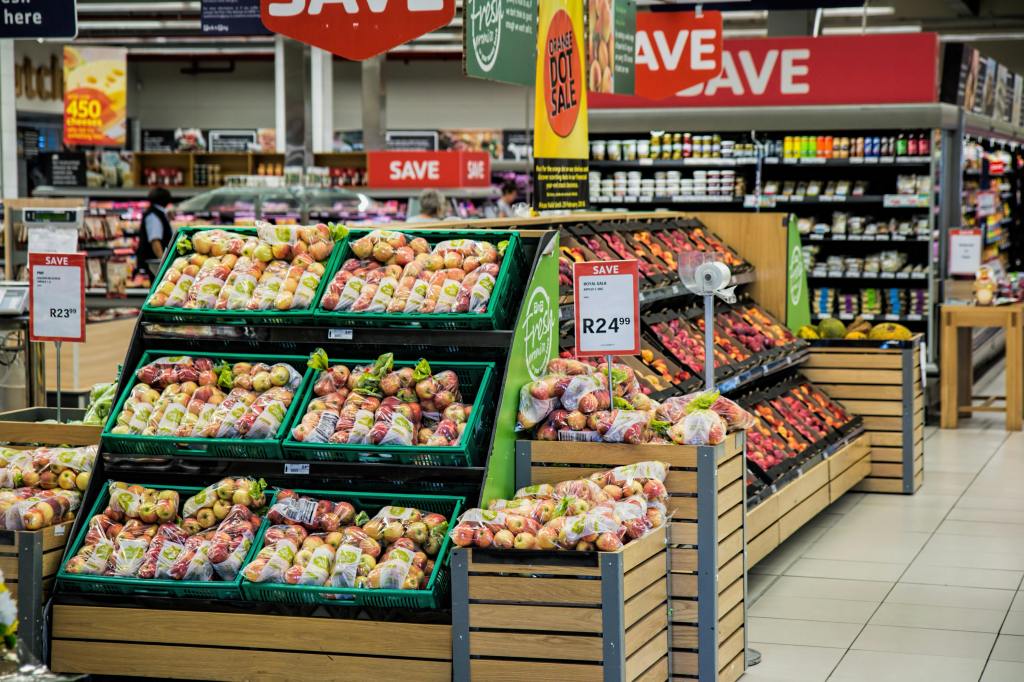
Have you ever considered the intersection of food and sustainability?
The United Nations has designated Zero Hunger as Sustainable Development Goal number 2. This goal aims to create a hunger-free world by 2030, meaning everyone can access safe, nutritious, and sufficient food.
The world is currently in the grip of a pressing global food crisis. While it may be difficult to grasp the full extent of this crisis when our grocery stores are well stocked, the rising cost of food is a stark reminder of its impacts. Regardless of the appearance of your supermarket shelves, it’s a sobering fact that 1 in 10 people globally, approximately 780 million individuals, have experienced hunger, as reported by the UN.
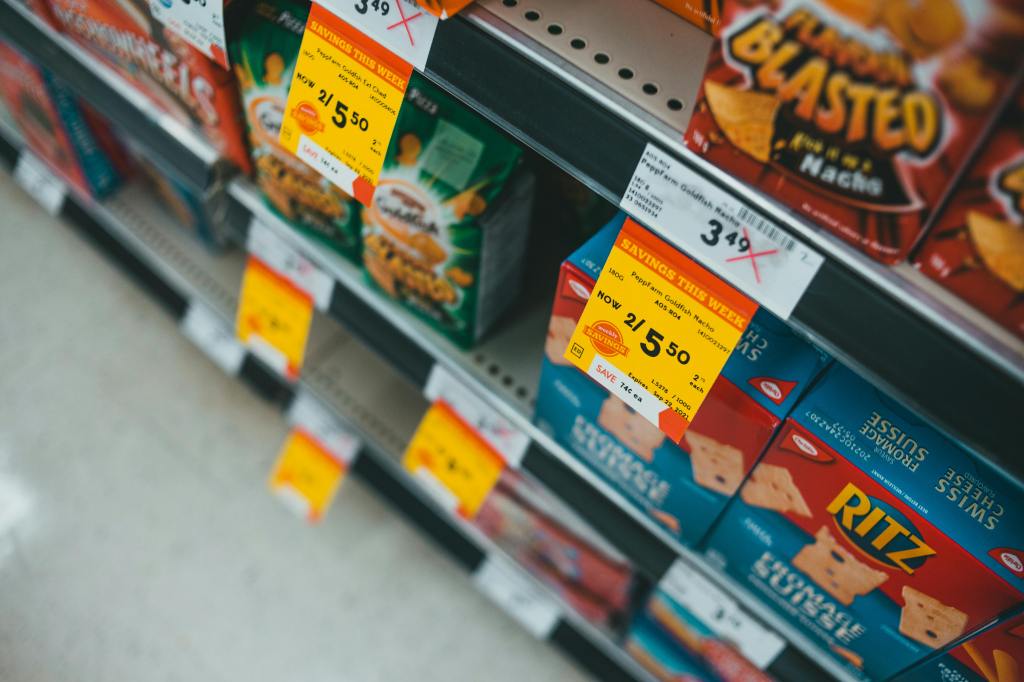
We are currently part of a system that is fundamentally flawed. We consume far more than we need, especially in wealthier countries. We have unsustainable practices, and many still need more food. A staggering one-third of all food produced globally is lost or wasted, a fact that should shock us all. The global food security index showed that for the third year in a row, the international food environment has threatened food security.
Despite the challenges we face, there is reason for hope. Our current production efforts need to be more sustainable; these systems need innovation and action, from production to packaging to transportation. Our current food system contributes one-third of all human-generated GHG emissions, drives biodiversity loss, and is incredibly water-dependent. However, with the right changes, we can transform this system into one that is more sustainable and equitable, offering hope for a future where everyone has access to safe, nutritious, and sufficient food.
What exactly is driving this crisis?
Conflict remains the number one driver of food insecurity, and various regions in the world are currently impacted by it. Next is the climate crisis, another leading cause of hunger globally due to varying weather events and conditions that host the ability to ruin crops. Making it increasingly complex for people to provide and feed themselves. In addition to these events, rising costs of goods and supplies essential to the growth and production of food (fertilizers, natural gas) have contributed heavily.
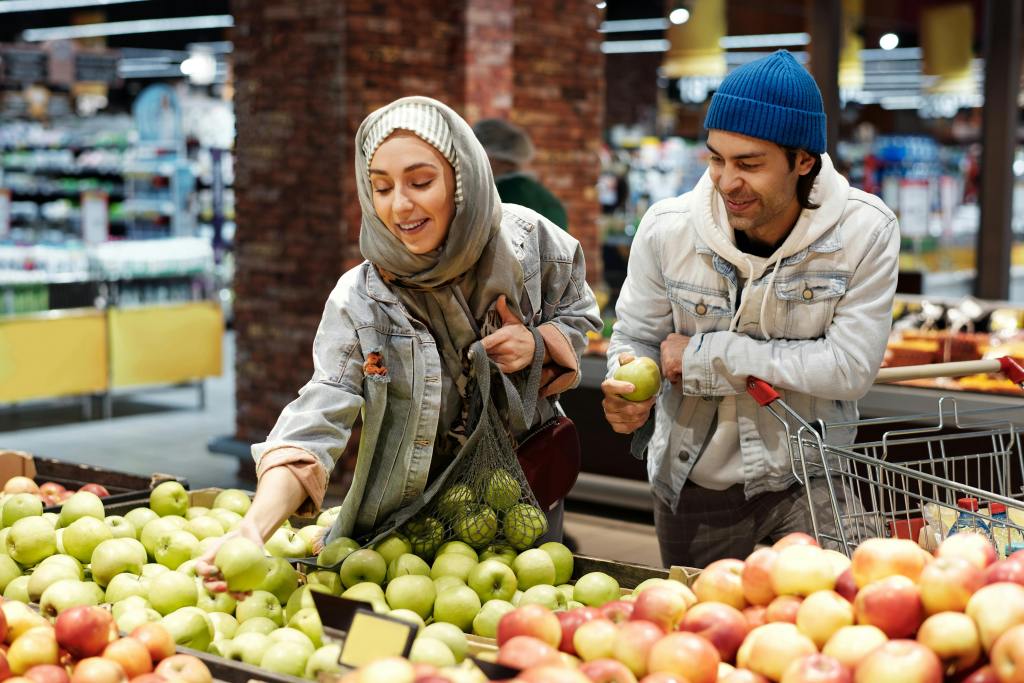
What can we do to eradicate this problem?
Addressing a global problem of this magnitude necessitates immediate collaborative actions from leaders worldwide. However, this doesn’t mean that you, as an individual, are powerless. The first step is to educate yourself further on the topic. Engaging with sources such as the UN, The World Food Programme, and The Global Food Security Index, here are a few places to start. Moreover, consider the role of your community in addressing food issues. There are often numerous community-level organizations that you can contribute to or learn more about, demonstrating that every action, no matter how small, can make a difference.
 House Thirty
Leave a comment