
In a world where we make record amounts of waste daily, zero waste offers a simple yet powerful solution: living sustainably by minimizing the waste we produce. Although zero waste living can be easy when you start practicing it, many questions come to mind when you first hear about it. Whether you’re new to the idea or looking to refine your habits, in this post, you’ll find concise answers to some of the most frequently asked questions about zero waste and how you can start making a difference today. Check it out!
What is Zero Waste?

Zero waste is more than just a lifestyle; it’s a mindset that aims to conserve all resources by reducing waste sent to landfills or burnt by focusing on reusing, recycling, composting, and making conscious consumption choices. The goal is to prevent waste from being created in the first place.
Check out our blog post on Zero Waste: What Does It Mean? for more information.
How is Zero Waste Different from Recycling?
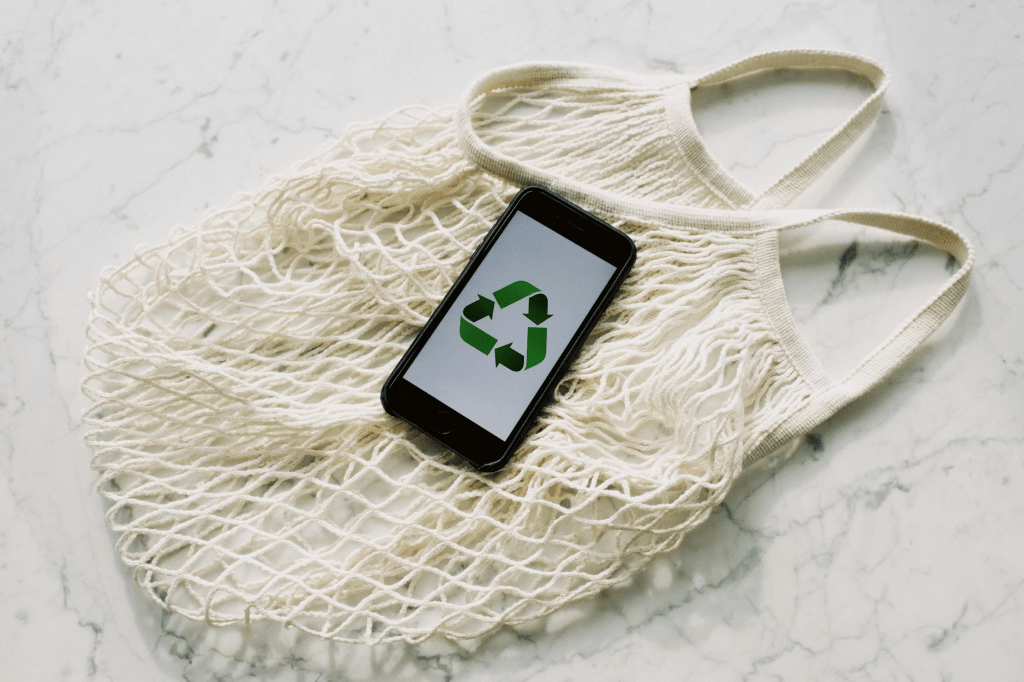
While recycling is important, it’s only one part of the zero-waste philosophy. Zero-waste emphasizes reducing and reusing as the top priorities, with recycling as a last resort. It aims to eliminate waste at the source rather than dealing with it later. Essentially, the best waste is the waste that is never created.
Is Zero Waste Realistic for Everyone?
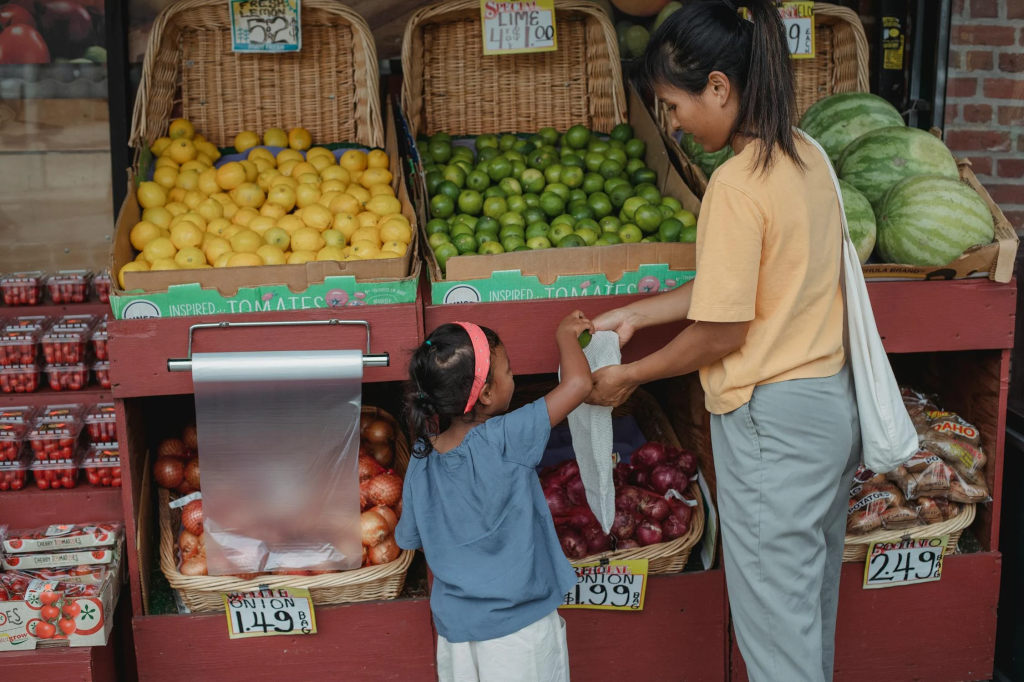
The idea of “zero” waste may seem overwhelming, but the goal is to make progress, not achieve perfection. Anyone can adopt habits that significantly reduce waste; you might already have some of these habits without knowing. Small changes can lead to significant results over time.
Curious to see how zero waste can be realistic for you? Check out some of our tips on how to easily (and affordably!) live by the zero waste principles here.
Easy Steps to Start a Zero Waste Lifestyle
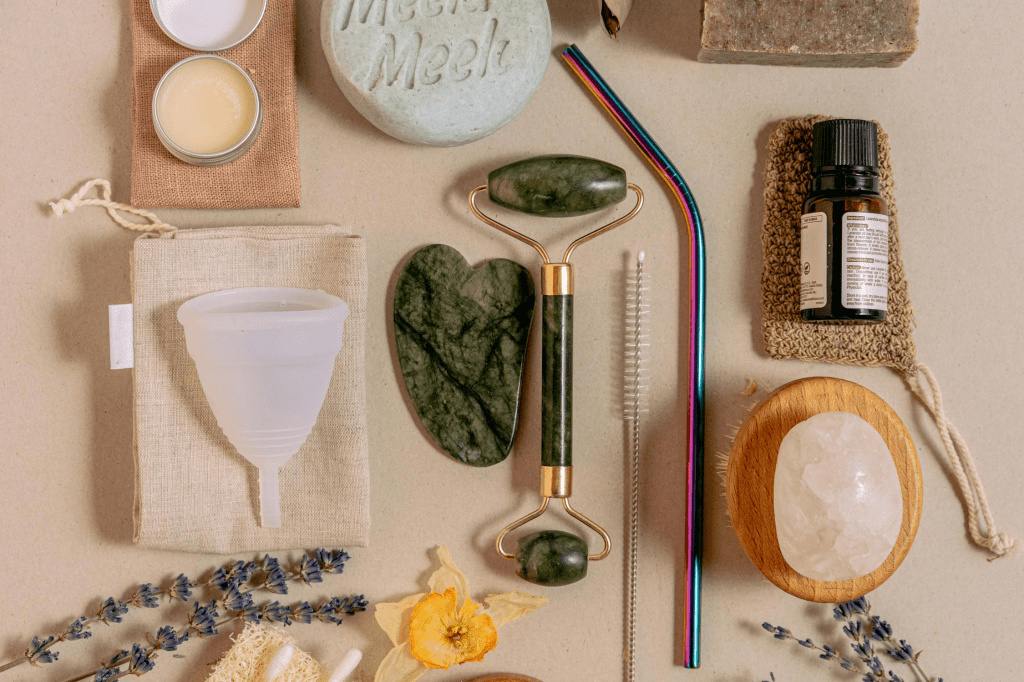
If you’re wondering where to begin, start small:
- Carry reusable bags, bottles, and containers
- Buy food in bulk to avoid unnecessary packaging
- Compost your food scraps
- Repair items instead of replacing them
- Shop second-hand or swap clothes and items with friends
Why Does Zero Waste Matter for the Environment?
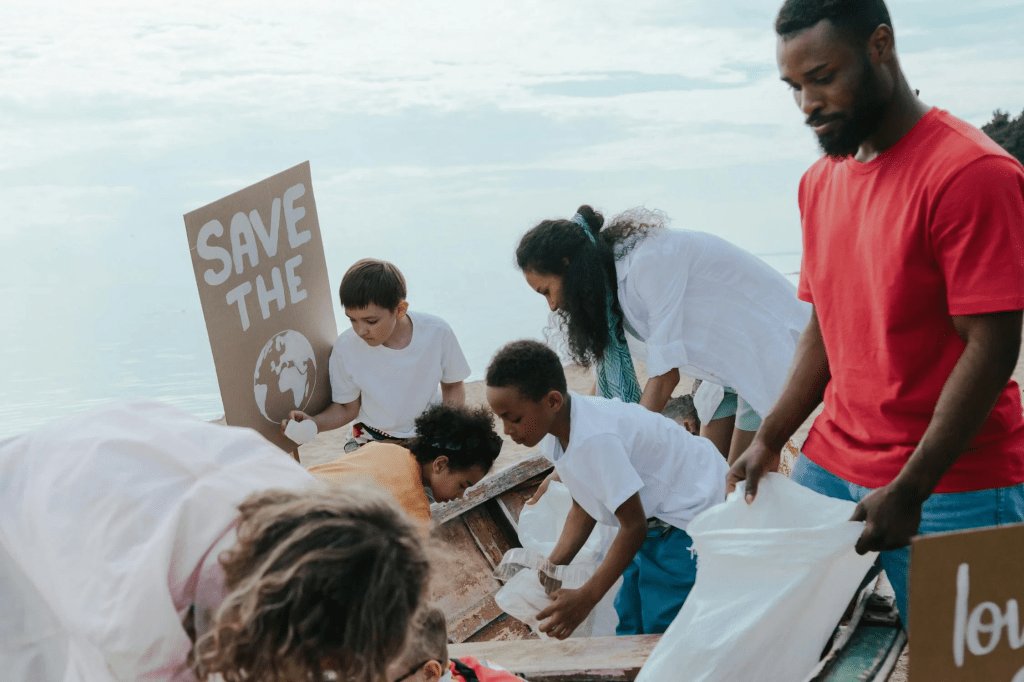
Reducing waste means fewer materials end up in landfills or incinerators, which helps reduce greenhouse gas emissions. Zero-waste practices also conserve natural resources by reducing the need for raw materials.
Is Going Zero Waste Expensive?
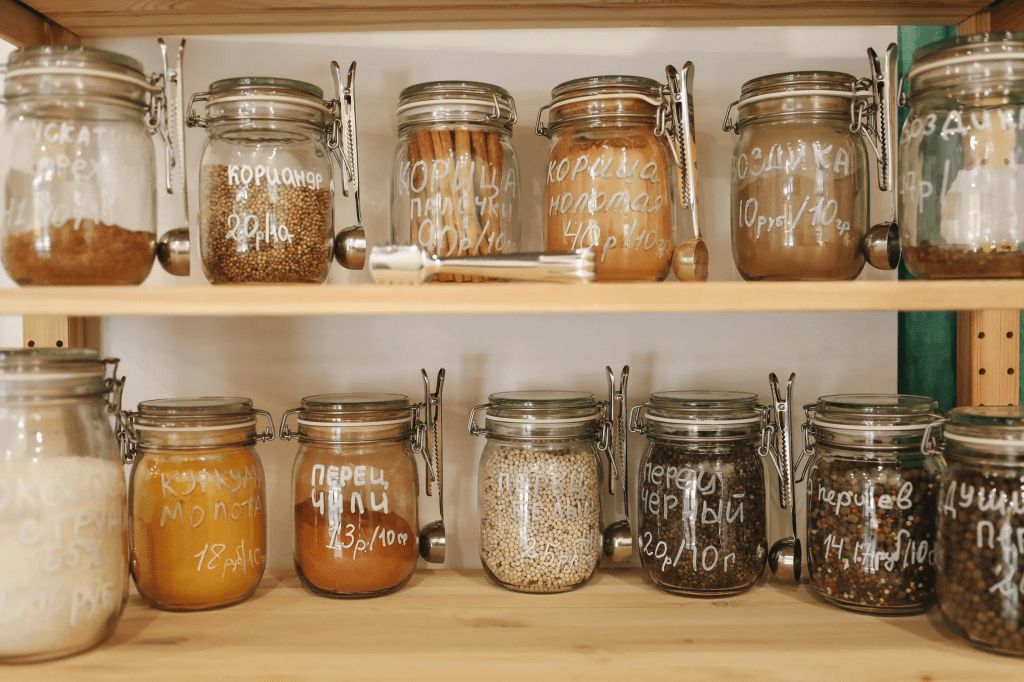
Not if you follow our tips! Many zero-waste practices, like reusing items, shopping second-hand, and avoiding single-use products, can save you money. While some zero-waste alternatives may have a higher initial cost, they tend to last longer, making them more economical in the long run.
Check out our blog post on the 5 First Steps to Start Living a Zero-Waste Life on a Budget.
What’s the Role of Composting in Zero Waste?
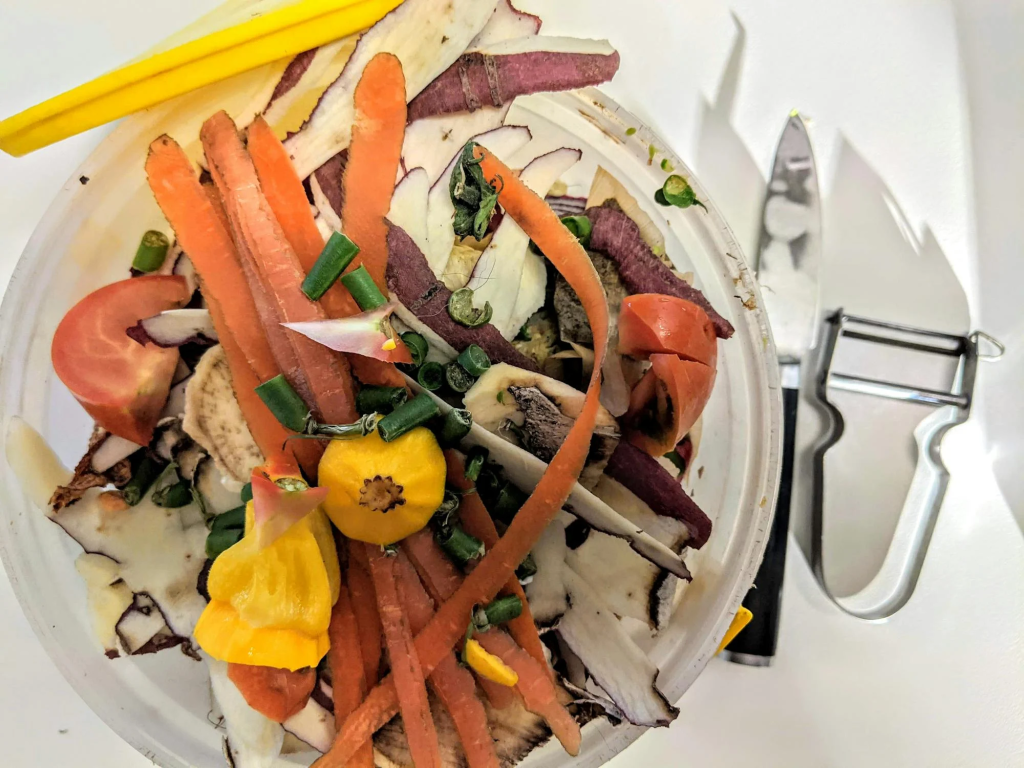
Composting is a key component of zero waste living. By turning organic waste, like food scraps and yard clippings, into nutrient-rich compost, you’re helping reduce methane emissions from landfills while enriching the soil.
Are you new to the art of composting? Fret not! Check out our tips on how to do it here.
How Does Zero Waste Connect to a Circular Economy?
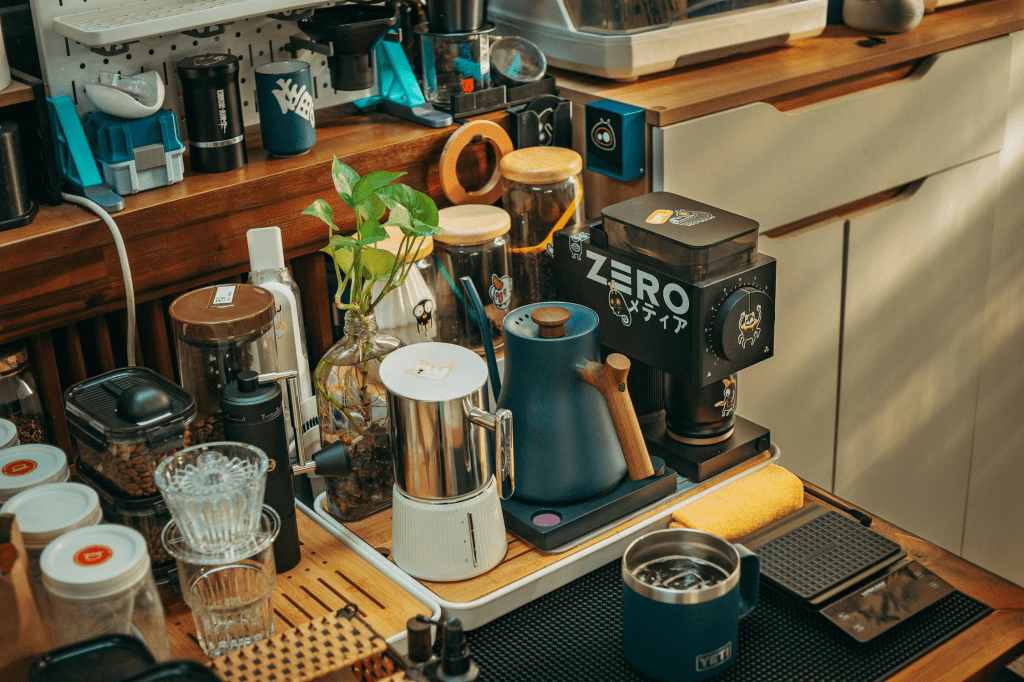
Zero waste and the circular economy go hand-in-hand. The circular economy is all about designing out waste, keeping materials in use, and regenerating natural systems. Zero waste practices support this by encouraging reuse, repair, and recycling.
Common Challenges in Going Zero Waste

Transitioning to a zero-waste lifestyle can come with its own set of challenges, which are personal to you. These may include finding stores that offer bulk or package-free products, adjusting to new habits, and balancing convenience with sustainability. However, each small step contributes to a more significant positive impact. Remember, perfection is not the end goal of zero waste living!
 House Thirty
Leave a comment