
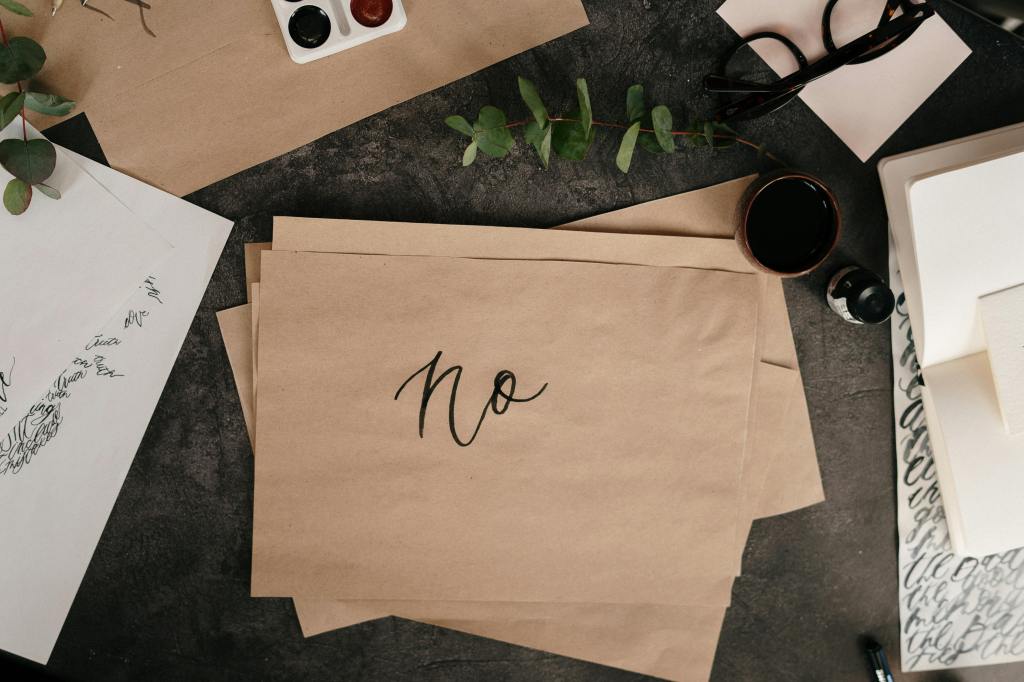
We are constantly bombarded by advertisements, sales, and the latest trends, often making resisting the urge to buy more difficult. But at the heart of the zero-waste movement lies a powerful tool that costs nothing: the word “no.”
Saying no isn’t just about declining plastic straws or single-use bags. It’s about embracing mindful consumption, being intentional with what we bring into our lives, and understanding that every choice has an impact. By learning to say no, we allow ourselves to live a more sustainable lifestyle, free from the clutter of unnecessary products and the waste they generate.
Why Saying No is Empowering

In our society, it’s easy to feel pressure to accumulate more clothes, more gadgets, more of everything. We often equate having more with being more successful or happier. But as many have found, having less equals having more. A study found that people who embrace a minimalistic, less materialistic lifestyle report higher levels of life satisfaction. Being selective with what you have creates space for what truly matters, whether that’s more meaningful experiences, better quality items, or simply peace of mind.
The Environmental Impact of Saying No
Every time we refuse an unnecessary product, we make a small but significant impact on the planet. For example, it’s estimated that the average American generates about 4.9 pounds of waste per day. By cutting back on what we buy, we’re not only reducing waste but also conserving energy and raw materials. Every product we purchase requires energy for production, transportation, and disposal. Saying no to excess consumption helps reduce demand for these resources.
Additionally, declining single-use plastics can have a significant environmental benefit. According to research, more than 8 million metric tons of plastic enter the oceans annually. Refusing simple daily items like single-use plastics helps reduce plastic pollution, which affects marine ecosystems and contributes to global climate change.
How to Start Saying No

Saying no can be easier said than done, especially when we’re used to saying yes or not thinking about it. Here are a few practical ways to embrace this habit and bring more mindfulness into your consumption:
Pause Before You Purchase
Whenever you feel the urge to buy something, take a moment to reflect. Do you really need it? Will it add value to your life? How? Can you borrow, rent, make, or upcycle instead of buying new? This pause can help prevent impulse purchases that lead to waste and overconsumption.
Focus on Quality, Not Quantity
Instead of saying yes to several low-cost, low-quality items, invest in fewer, higher-quality goods that will last. Extending the life of clothing by just nine months can reduce its carbon, water, and waste footprint by about 20-30%.
Decline Freebies
Accepting free samples or promotional items can be tempting, but these often end up as clutter or waste. Politely decline when offered items you don’t need, and avoid grabbing extras “just in case.”
Say No to Fast Fashion
Fast fashion is one of the most significant contributors to global waste. Each year, around 85% of textiles go to landfills. You can reduce demand for unsustainable practices in the fashion industry by saying no to cheaply made clothes. Instead, consider second-hand shopping or investing in timeless, durable pieces.
Be Mindful of Gifts
Don’t be afraid to set boundaries around gift-giving, whether for birthdays, holidays, or other celebrations. Consider requesting experiences over physical items or encouraging loved ones to give thoughtful, sustainable presents.
The Ripple Effect of Saying No
The power of saying no doesn’t stop with you. Be a force of inspiration to others to rethink their consumption habits. By refusing unnecessary items, you’re setting a positive example and helping to shift societal norms toward sustainability.
In the end, saying no is more than just a refusal. It’s a pledge of your commitment to living a life that aligns with your values and protects the environment. So, the next time you’re faced with an unnecessary product, remember that every “no” is a step closer to a mindful, intentional way of living, zero-waste living.
 House Thirty
Leave a comment