
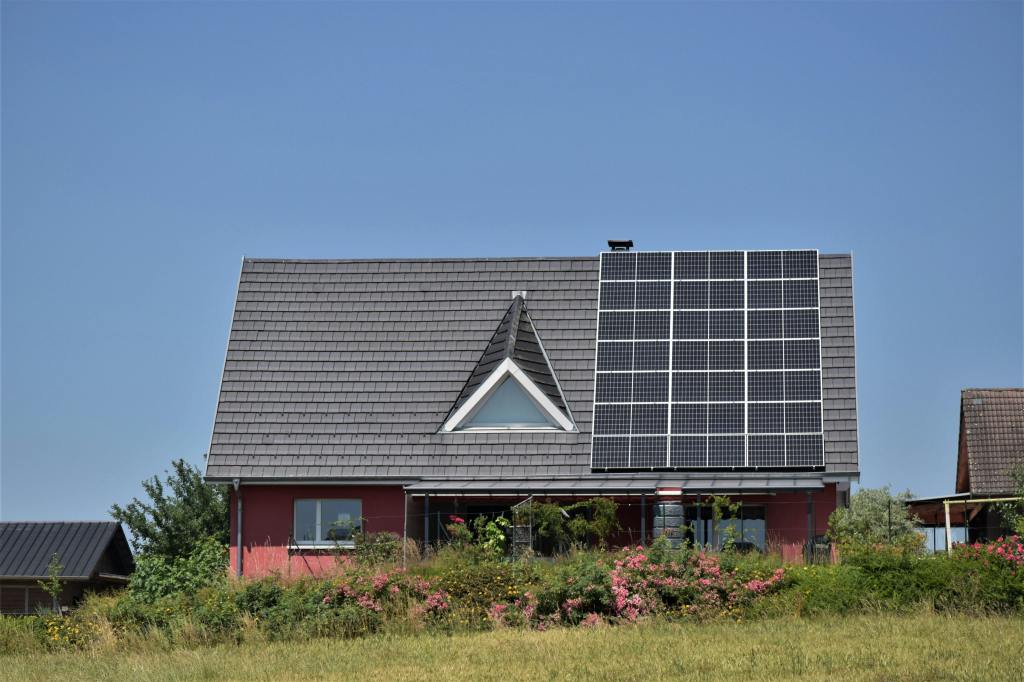
In a time when sustainability is at the forefront of many decisions globally, integrating sustainability into our homes is a natural step. Creating efficient spaces that make sense in their environment is not just common sense, but it also promises a brighter, more sustainable future. However, urban and suburban sprawl has dominated the architectural landscape for the last three decades. Mainly due to the requirements of a rapidly growing population, it leaves you wondering, could we do this better?

Unfortunately, this development has significant drawbacks for the environment, society, and the economy. It encroaches on natural spaces, fosters car dependency, and limits opportunities for social interaction. But that’s a discussion for another time! For now, let’s focus on the housing aspect, where each of us, as homeowners or individuals interested in sustainability, can make a significant difference.
It was recently found that 80 percent of Canadians feel that having a “green home” or sustainable home is essential to them, up 9 percent from 2020. This growing desire is a response to the urgent concerns regarding climate change and the increasing energy cost. Finding energy-efficient and cost-effective alternatives is becoming essential, and we all have a role to play in this crucial mission.
What does a sustainable home actually look like?
Start Small
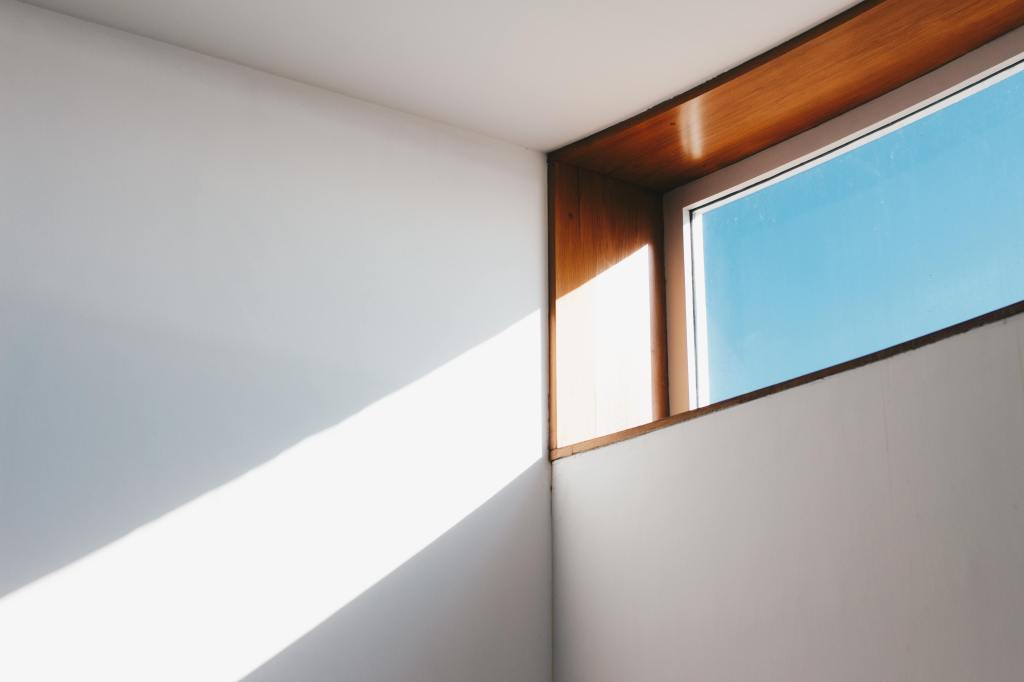
Indeed, you can start wherever you are. Small steps include investing in energy-efficient appliances, upgrading the efficiency of your windows when they are due for a change, and swapping your light bulbs to LEDs.
Trends in Sustainable Design
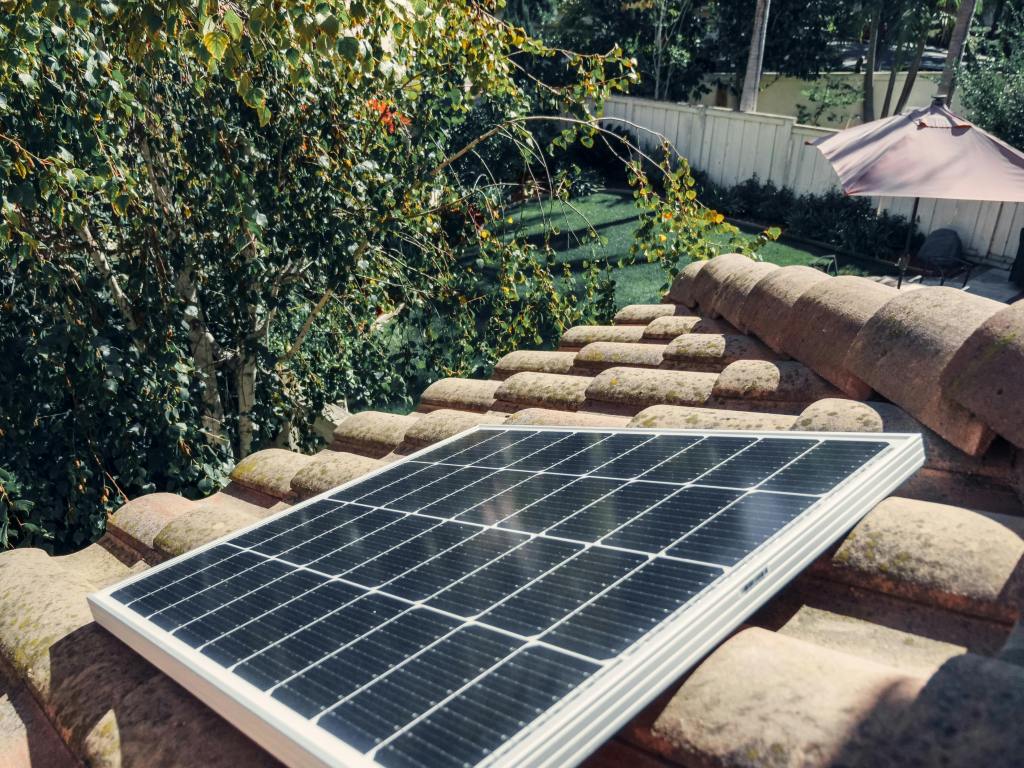
We should all be familiar with some critical trends by now, including solar roofs, which are popping up in residential areas and commercial or agricultural settings. These roofs are equipped with solar panels that convert sunlight into electricity, reducing the reliance on traditional energy sources.
In addition to solar, natural building materials are resurfacing, including banana fiber, mud, sand, stone, and even dung! Think back to some of the oldest buildings you have visited, maybe during your travels or where you live! Many of them may be made out of those listed materials.
Think modular, but not in the ways that may pop into your mind. In the context of sustainable housing, ‘modular’ refers to the use of prefabricated components that can be assembled on-site. New designs with a focus on sustainability are popping up around the world. They utilize a mix of natural and biobased materials, allowing people to build their homes virtually anywhere, often for less than expected.
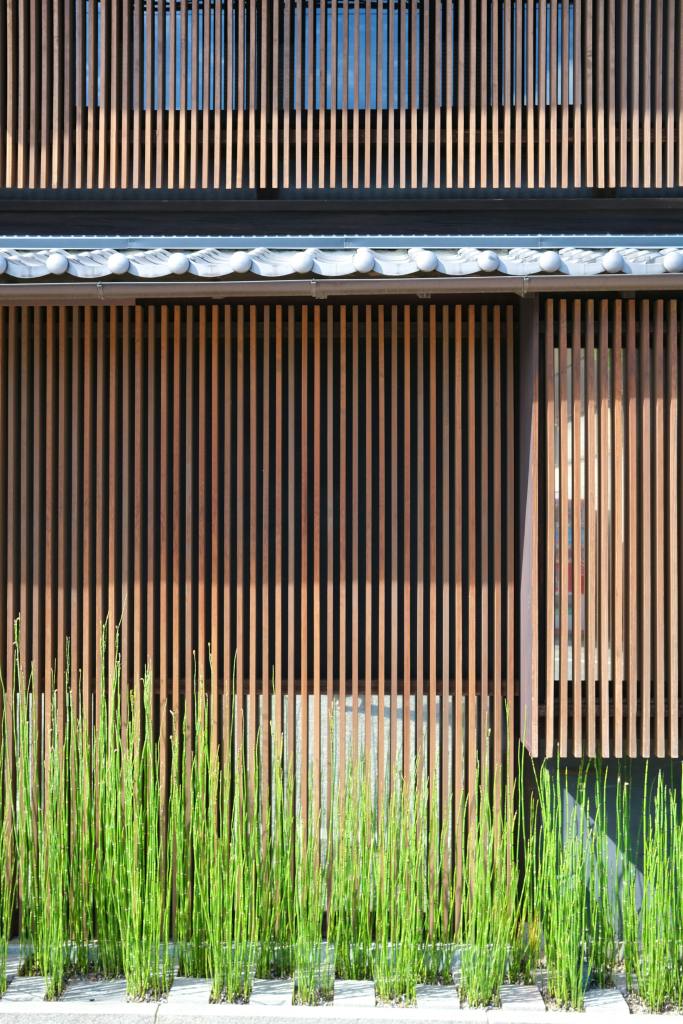
As the world continues to change, we must look for ways to improve our sustainability in all aspects of our lives. Why not start where we spend the most time, our homes! Your actions, no matter how small, are significant in the context of the global sustainability movement, and they can make a real impact.
 House Thirty
Leave a comment