
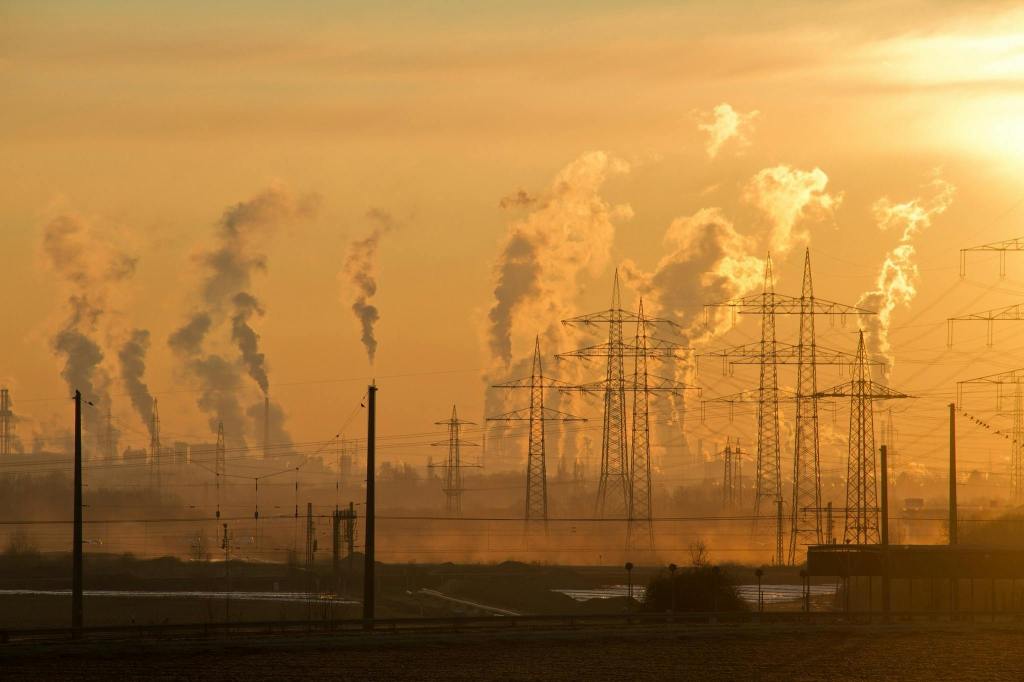
Whether you’re a sustainability enthusiast or a seasoned expert, the significance of greenhouse gases is undeniable. Terms like decarbonization, carbon, and greenhouse gases often surface in articles, videos, interviews, and discussions, but their true meaning sometimes needs to be explained. Let’s embark on a journey to unravel these concepts, as understanding them is crucial to our shared commitment to sustainability, a responsibility that we all share and contribute to!
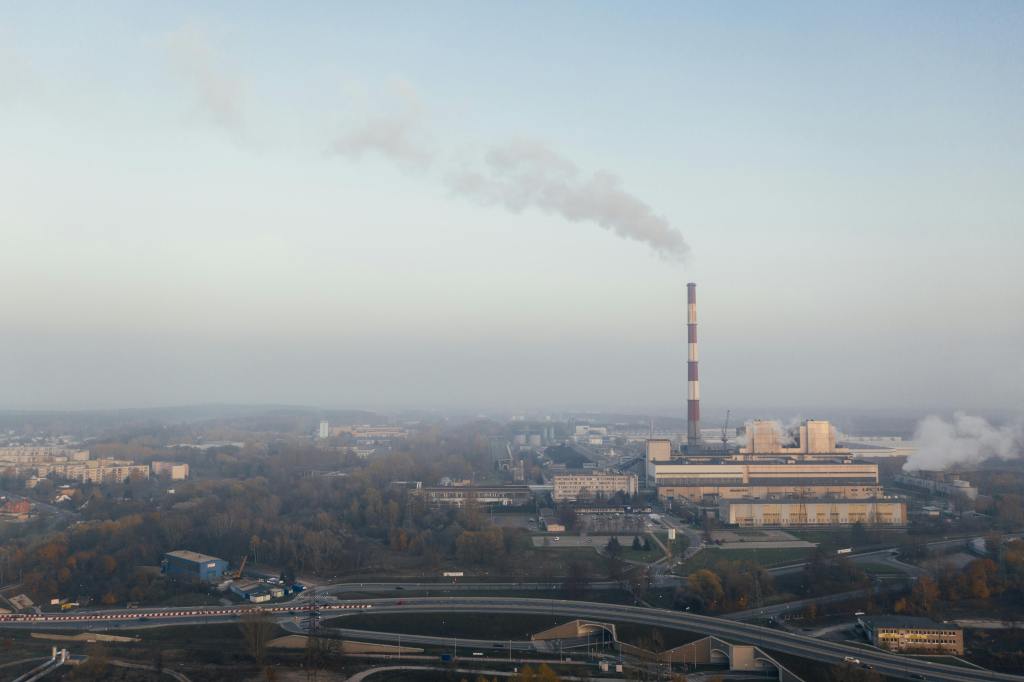
Let’s start from the top, what are GHGs?
GHGs, also known as Greenhouse Gases, are Carbon Dioxide (CO2), Methane (CH4), Nitrous Oxide (N20), Fluorinated gases, Water Vapour, and Ozone. There might be a few more than you were thinking off the top of your mind, primarily when most of the conversation around GHGs focuses on carbon or decarbonization.
Regarding those listed gases, water vapour is the most abundant GHG. It is followed by carbon dioxide, the most well-known GHG, generated by burning organic materials (think coal, wood, waste). Methane may trigger thoughts of agricultural waste, but it comes from natural gas, waste, and petroleum industries. Nitrous oxide is not as prevalent but is more potent than CO2 and has a much longer lifespan within the atmosphere.
Why is there a concern about GHGs?
In today’s climate, the presence of GHGs is far too great, and the situation is urgent. These emissions contribute to the greenhouse gas effect, where they essentially cover the earth. In doing so, they trap the sun’s heat—leading to an ever-warming earth—at a much higher rate than naturally possible due to our heavy reliance on fossil fuels. This urgency calls for immediate action and heightened awareness!
What exactly is decarbonization, then?
Decarbonization reduces the amount of GHGs we emit into the atmosphere. Where residual emissions exist, they must be removed. Several projects, from energy to agriculture and everything in between, can contribute to decarbonization efforts.

Now, this is a great starting point when diving into GHGs. Let this be a place to take off and discover what interests you further. It could be carbon insetting projects or regenerative agriculture. There are tons of topics that go far beyond the basics for you to explore! This exploration journey will deepen your understanding and keep you engaged in the sustainability discourse.
 House Thirty
Leave a comment