
Human composting, have you heard of it?
In today’s article, we’re talking about something that may surprise you: how you can help the planet even after you’re gone. Yes, that’s right! Imagine turning yourself into nutrient-rich soil, giving life to the planet long after you’ve left it. This process is called human composting, also known as natural organic reduction (NOR) or terramation, and it’s one of the most groundbreaking ways to leave behind a lasting, positive legacy.
Are you curious?! Let’s explore exactly how it works, why people are doing it, and whether it could be the future of eco-conscious living, even in death.
What is Human Composting or Natural Organic Reduction?
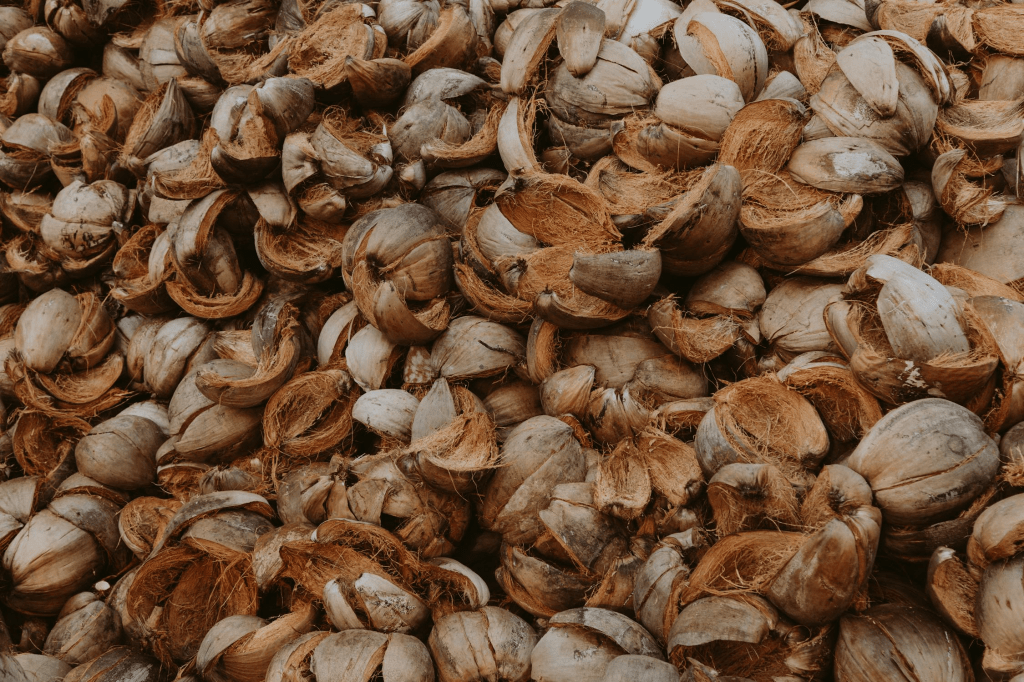
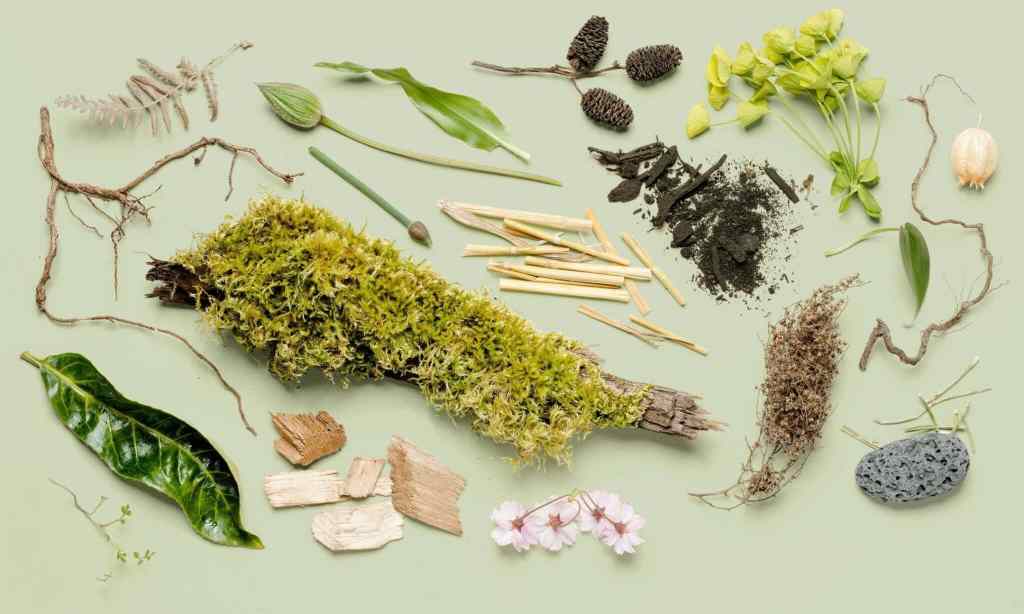
Human composting is the process of breaking down the human body into nutrient-rich soil through natural decomposition. It is defined as “the contained, accelerated conversion of human remains to soil,” it’s a sustainable alternative to burial and cremation, allowing our remains to nourish the Earth. The process involves placing the body in a vessel with organic materials like wood chips, straw, and alfalfa, where microbes break it down over 4 to 6 weeks into a nutrient-rich substance.
When Was It Created?

The concept of human composting emerged in recent years, with Washington state becoming the first U.S. state to legalize it in 2019. It was pioneered by Recompose, a company founded by Katrina Spade, who envisioned an environmentally friendly way to return to the Earth.
When Is It Used?
Human composting is used as a burial option for those looking to reduce their environmental footprint in death. It’s currently legal in a handful of U.S. states, such as Washington, Oregon, and Colorado. It is gaining popularity as more people seek sustainable end-of-life options.
Why Do It?
There are several reasons why someone might choose human composting:
- Environmental Impact: Traditional burials use embalming chemicals and require non-biodegradable materials like caskets. Another alternative, cremation, releases significant amounts of carbon dioxide into the atmosphere. Planet-friendly, Natural Organic Reduction enriches the soil without harmful emissions. Fa
- Conservation of Land: Cemeteries require large amounts of land, while human composting allows for a minimal physical footprint.
- Returning to Nature: For many, it’s a personal and spiritual choice, becoming part of the natural cycle of life by giving back to the Earth.
Pros and Cons
Pros:
- Eco-friendly: No toxic chemicals or carbon emissions. You return to the Earth as soil, positively helping our environment.
- Saves Resources: There is no need for caskets, headstones, or expansive burial plots. Your loved ones can scatter your nourishing remains in gardens and your favorite places.
- Creates Rich Soil: The end product can enrich soils, help plants grow, nourish our planet, and symbolize life continuing after death.
Cons:
- Availability: Human composting is still not legal in many places.
- Costs: While cheaper than traditional burials, it can still be more expensive than cremation.
- Cultural Barriers: Some find the idea uncomfortable or at odds with their beliefs.
Controversies
As with any new idea, human composting has sparked debate. Some religious groups oppose the process, seeing it as incompatible with traditional funeral rites and harmful to human dignity. Others worry about the emotional aspect, whether families will feel disconnected from their loved ones by not having a traditional grave to visit. Additionally, as human composting gains popularity, questions around regulation, ethics, and long-term environmental impact are still being explored.
Human composting offers an innovative way to positively impact our environment even after we pass. Whether you see it as a step toward more sustainable living or just an alternative way to honor the Earth, it’s an option that’s rapidly growing in acceptance.
Would you do it?
Featured photo by Recompose
 House Thirty
Leave a comment