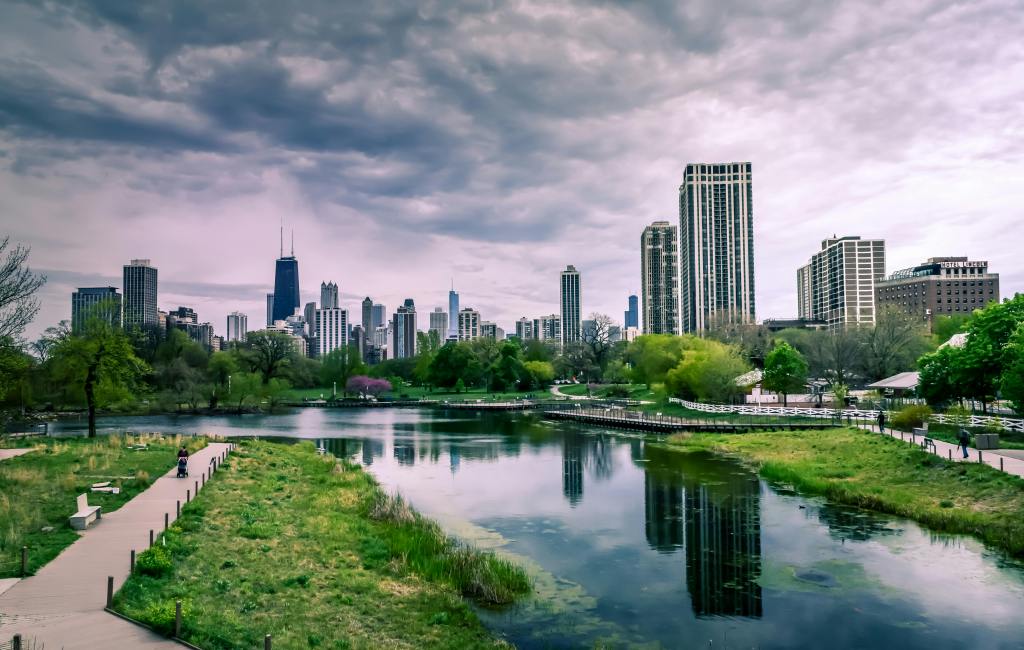
Imagine living in a city that thrives with life through its lively areas and planet-focused design. Cities are responsible for over 70% of global CO2 emissions related to energy and roughly half of all waste. But what if we could change that narrative? Sustainable urban planning is making it possible, turning urban challenges into gateways for greener, more vibrant living spaces.
In this post, we’re going to deep dive into what sustainable urban planning means and how it’s being implemented to transform cities around the world.
Do you live in a city with urban planning designs? Check out what makes one, and let us know!
What is Sustainable Urban Planning?
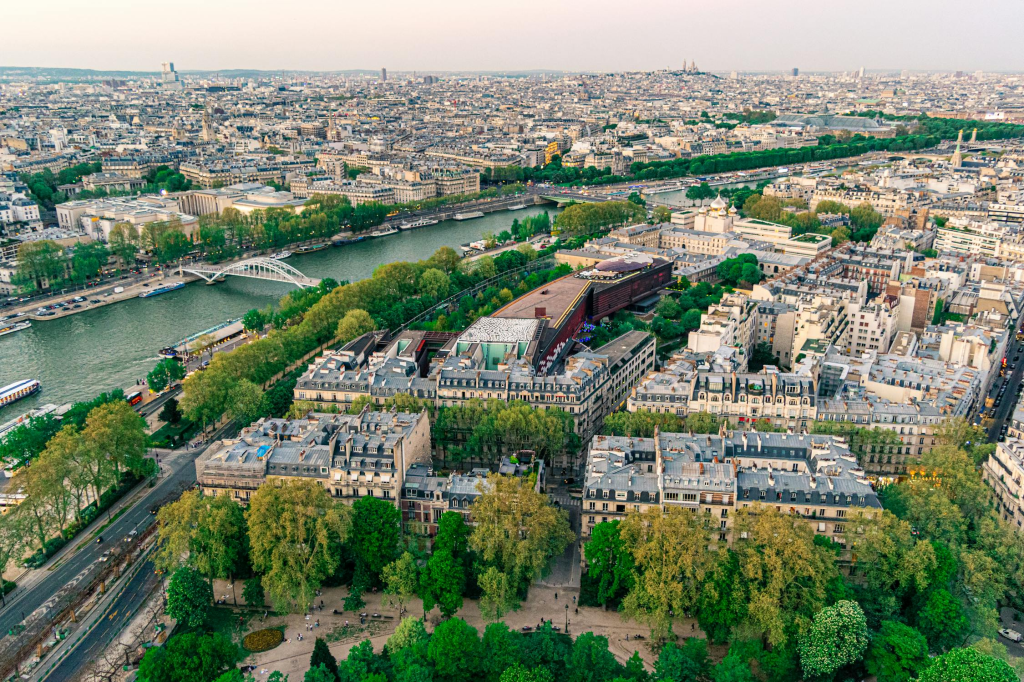
Sustainable urban planning aims to create livable and resilient cities, minimizing environmental impacts while enhancing the quality of life of current and future citizens. It is designed with a long-term environmental and social impact perspective. Originating in the 1970s and gaining prominence in urban renewal policy by the 1990s, the term ‘sustainable development’ encompasses three key pillars: social, economic, and environmental. This holistic approach addresses various urban challenges, including deterioration of urban functions, social exclusion, and environmental pollution. These considerations set the stage for the implementation of specific strategies such as:
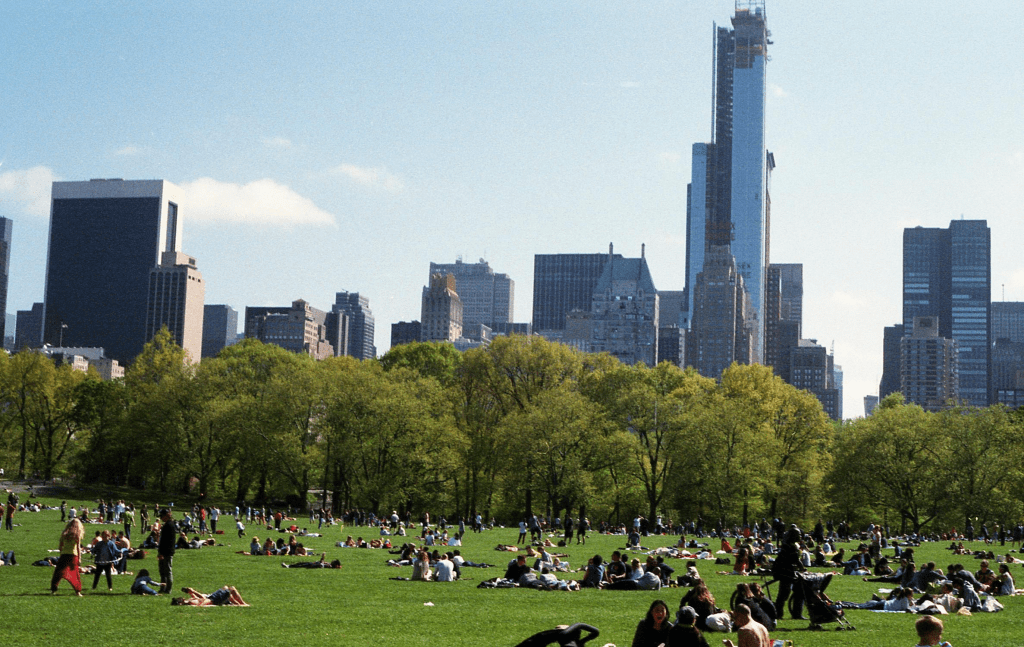
- Green Spaces: These spaces, such as parks and green roofs, are crucial for improving air quality, reducing urban heat, and providing peaceful areas for recreation and wildlife. They enhance the city’s aesthetic appeal and offer residents a break from urban congestion, reducing the ‘urban heat island’ effect.
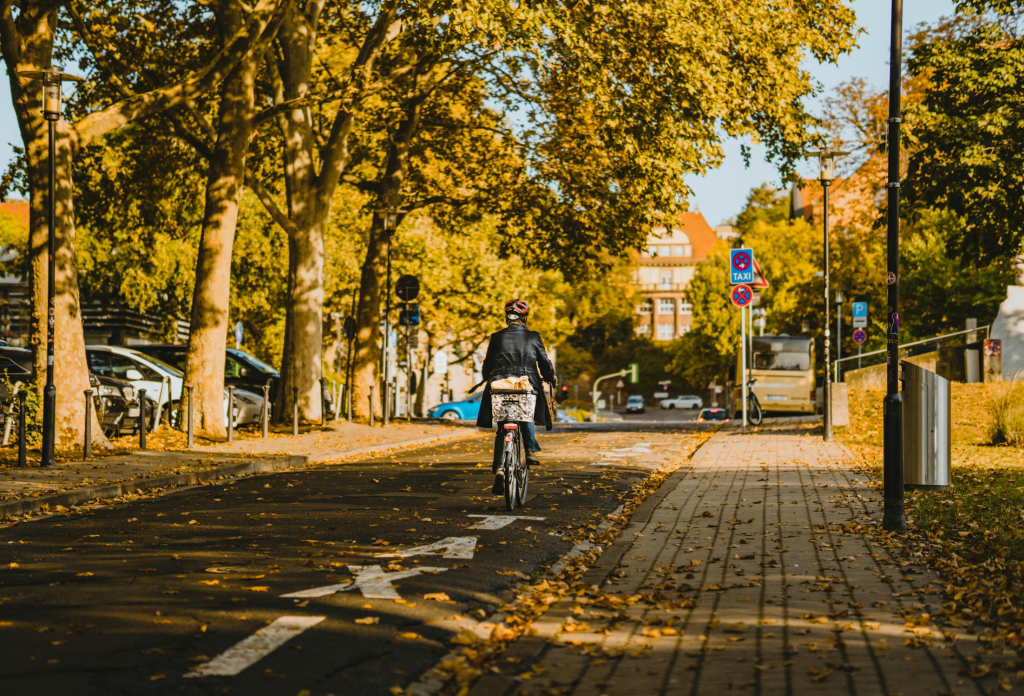
- Efficient Transportation: By promoting safe and accessible public transport, cycling paths, and walking spaces and routes, sustainable cities reduce reliance on cars, reducing traffic congestion and air pollution. This shift also promotes healthier lifestyles and improves overall well-being.
- Smart Buildings: Designed with materials to minimize energy and water use, these buildings feature solar panels, efficient insulation, and smart energy systems. Prioritizing building construction with sustainable and carefully chosen materials allows cities and individuals to lower their energy use, reduce living costs, and conserve resources.
Modern sustainable urban planning includes technological innovations and extensive community involvement, ensuring that development is forward-looking and inclusive. The goal is to meet the needs of today’s urban residents while improving general well-being without compromising the ability of future generations to meet their own needs.
What to Look For in a Sustainable City
Key features indicating a city’s commitment to sustainability include:
- Clean Energy Initiatives: The adoption of solar panels in buildings and renewable energy projects to decrease dependence on non-renewable sources.
- Green Building Certifications: Buildings with LEED or similar standards demonstrate sustainable construction practices.
- Efficient Waste Management: Comprehensive recycling and waste management systems to reduce resource utilization and waste production.
- Water Conservation Measures: The implementation of techniques like rainwater harvesting and sustainable water management systems to conserve resources.
- Public Green Spaces: Well-maintained and planned parks, gardens, and trails to improve air quality and promote leisure time and relaxation to citizens.
Why It All Matters
The benefits of sustainable urban planning extend beyond environmental protection. They enhance livability by reducing pollution and promoting healthier lifestyles. Economically, they attract businesses and stimulate local economies. Socially, they foster equitable access to resources and improve community well-being. These principles help reduce the urban environmental footprint and ensure cities are more livable, inclusive, and resilient.
 House Thirty
Leave a comment