
You’ve definitely heard about climate change, the push to cut carbon emissions, and the goal of reaching net-zero. Companies worldwide are making bold climate pledges. But how can we be sure these commitments are enough to keep global warming below catastrophic levels and achieve net-zero by 2050?
That’s where the Science Based Targets initiative (SBTi) comes in. Setting clear science-based targets is essential for companies aiming to reduce greenhouse gas emissions effectively while creating ambitious yet achievable climate strategies.
But what exactly is the SBTi, and why should we look for companies with SBTi-validated targets? Let’s break it down.
What is SBTi?
The Science Based Targets Initiative (SBTi) is a global corporate climate action organization that helps companies set real, science-backed climate goals to combat the climate crisis. Through their standards, tools, and guidance, SBTi helps companies set their greenhouse gas (GHG) emissions reduction targets in line with what’s needed to keep global heating below catastrophic levels and reach net zero by 2050 at the latest.
The 1.5-Degree Target
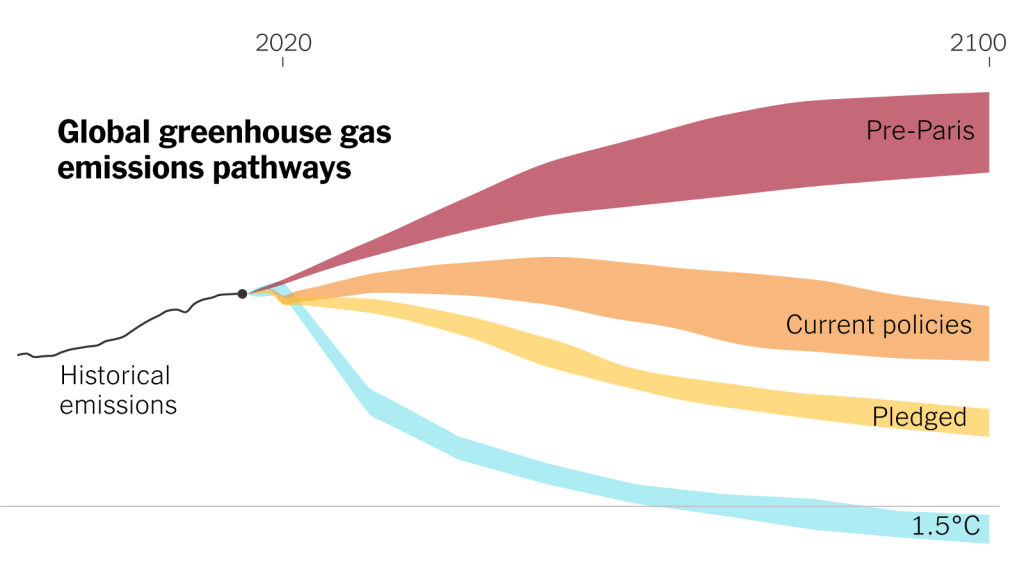
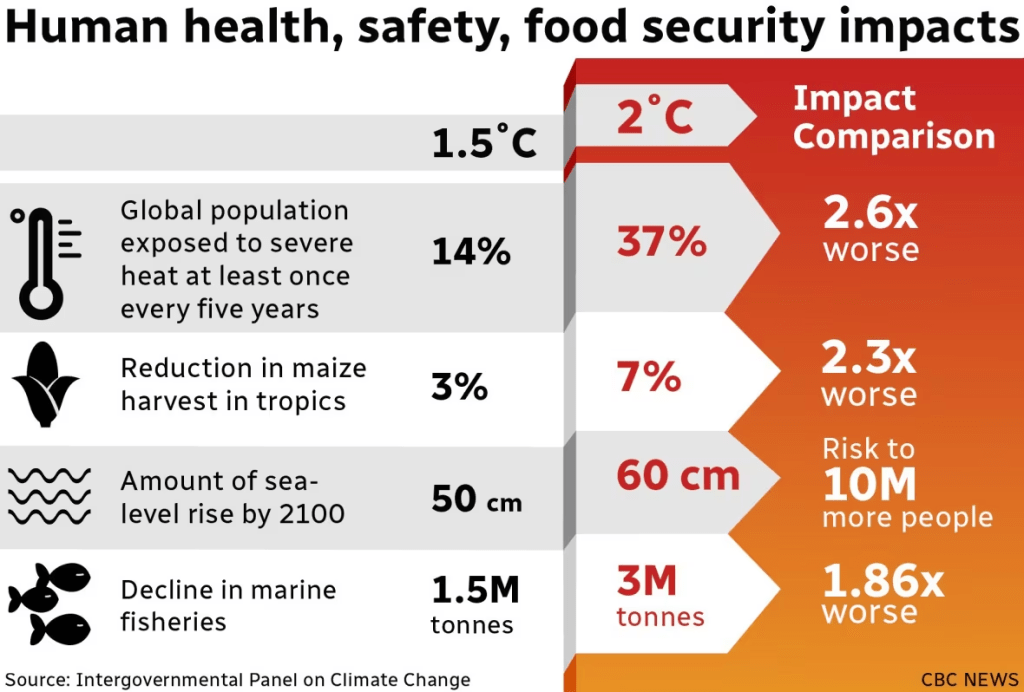
In the 2015 Paris Agreement, governments worldwide committed to keeping global temperature rise well below 2°C above pre-industrial levels, with a strong push to limit warming to 1.5°C. The Intergovernmental Panel on Climate Change (IPCC), later in 2018, confirmed that even half a degree beyond this threshold could lead to more extreme weather, rising sea levels, and disruptions to food and water supplies, affecting millions of people worldwide. Therefore, global greenhouse gas emissions must be cut in half by 2030 and reach net-zero by 2050 to prevent these consequences.
Businesses are crucial in reducing emissions and shaping a resilient, zero-emissions economy. But to do so, their actions must be guided by science, and a high standard must be set for all to follow. When leading companies take bold steps, they inspire suppliers, customers, and industry peers to do the same, creating momentum for governments to implement stronger climate policies.
Short-Term vs. Long-Term Targets
We have reached a time where companies can no longer say, “We’ll be net zero by 2050,” and call it a day. That’s why SBTi requires businesses to set both short-term and long-term targets to ensure their commitment and accountability:
- Short-Term Targets (Near-Term Targets): These outline GHG emission reduction targets over the next 5-10 years to limit warming to 1.5°C above pre-industrial levels.
- Long-Term Targets – These targets focus on the emissions reductions to reach net zero by no later than 2050 and keep global heating under 1.5°C.
Additionally, according to the SBTi’s Corporate Net-Zero Standard, most companies must reduce emissions by at least 90% before 2050 to achieve net-zero.
Why is it important?
SBTi is mostly for businesses, but it matters to everyone. Here’s why:
- It affects what you buy – More companies following SBTi means more products made with lower emissions and better sustainability practices.
- It makes companies accountable – Without SBTi, businesses could say they’re “going green” without proof. BTi ensures that commitments are backed by action and helps keep climate-related language clear, consistent, and free from misleading jargon.
- It’s about our future – The 1.5°C global heating benchmark, used to indicate a climate change tipping point, isn’t just a corporate target. It’s about preventing extreme weather, food shortages, and rising sea levels that impact us all.
The Bottom Line

SBTi is one of the most important tools we have to hold companies accountable for their climate commitments. It ensures businesses act fast enough and in line with what science says is necessary—not just what sounds good in a press release. With 2023 being 1.18°C hotter than the 20th-century average and current policies putting us on track for 2.9°C of warming this century, according to the UNDP’s Emissions Gap Report 2023, action has never been more urgent.
The good news? More businesses are stepping up, proving that a net-zero future is possible if we push for it. Over 7,000 companies across industries and regions have already set science-based emissions reduction targets through the Science Based Targets initiative (SBTi). Check out the Companies taking action here.
So next time you see a company making bold climate claims, check if they’re SBTi-approved. Real change isn’t just about promises; it’s about action.
 House Thirty
Leave a comment