Following the increasing concerns about sustainability and fairer and ethical practices, companies have attached seals, certifications and claims to their services and products. Consumers should pay more attention to the brand’s sustainability practices and whether it aligns with their values. In a world where greenwashing is highly present, it has become paramount for trustworthy certifications to reassure consumers of companies that adhere to rigorous social responsibility standards, ethical production practices, and environmental stewardship. Knowing about these organisations, their certifications, and what they represent, consumers can make more informed decisions and decide which companies to support, positively contributing to a more sustainable future.
We have selected some of the more common and often-seen certifications for you to familiarise yourself with and help you make more informed and sustainable purchasing decisions.
1% for the Planet

1% for the Planet is a global movement founded on the idea that companies are responsible for giving back to our planet. The nonprofit commits to donating at least 1% of their members’ annual sales, not profit, to environmental organisations, and they certify every donation to ensure businesses meet that commitment.
B Corporation
Created in 2006, the international network of organisations certifies companies that meet high social and environmental performance, accountability, and transparency standards as a Certified B Corporation. Through B Lab, the organisation creates standards, policies, and programs that shift capitalism’s behaviour and cultural and structural underpinnings. Their B Impact Assessment, used by over 150.000 businesses, is a digital tool that helps companies to measure, manage and improve positive impact on the environment, communities, customers, suppliers and employees. Based on the assessment, companies must receive a minimum verified score of 80 points to take the first step towards B Corp Certification. You can find a B Corporation worldwide by checking out their list here.
Rainforest Alliance
The seal identifies that the certified ingredient was produced using the three pillars of sustainability: social, economic, and environmental. Companies are evaluated by independent, third-party auditors who assess whether farmers meet all requirements in all three areas mentioned above before awarding or renewing their certification. Rainforest Alliance standards focus on 4 themes: forests, climate, human rights, and livelihoods. The frog, the organisation’s mascot, was selected because they are what scientists call bioindicators: a healthy population of frogs indicates a healthy environment.
Fairtrade International
The organisation’s holistic approach addresses vital issues such as child labour, climate and environment, decent livelihood, and gender equality to change conditions and enable farmers to have fairer wages and more control of their futures. By purchasing Fairtrade-certified products, you help make a difference to the lives of those who grow and create your favourite products.
Learn more about the vast variety of products certified by the Fairtrade Standards here.
The Vegan Trademark
Established in 1990 by The Vegan Society, the internationally recognised trademark has made vegan products more accessible. By registering with the trademark, companies can transparently advertise their products to consumers with the certainty that all products and ingredients meet the organisation’s stringent standards. The certification can be given to any products that meet their vegan standards, from food and drink to fashion, packaging, household items, musical instruments, raw materials, and more. You can find a list of trademarked products here.
Leaping Bunny
Since 1996, the Leaping Bunny Program has certified over 2.000 brands that have pledged to end animal testing in all stages of product development. The companies undergo third-party audits and must recommit to the program’s strict standards annually. The certification goes beyond testing bans, providing the best assurance that a product is free from animal testing. You can find their compassionate shopping guide for their certified cruelty-free brands here.
Cradle to Cradle (C2C)
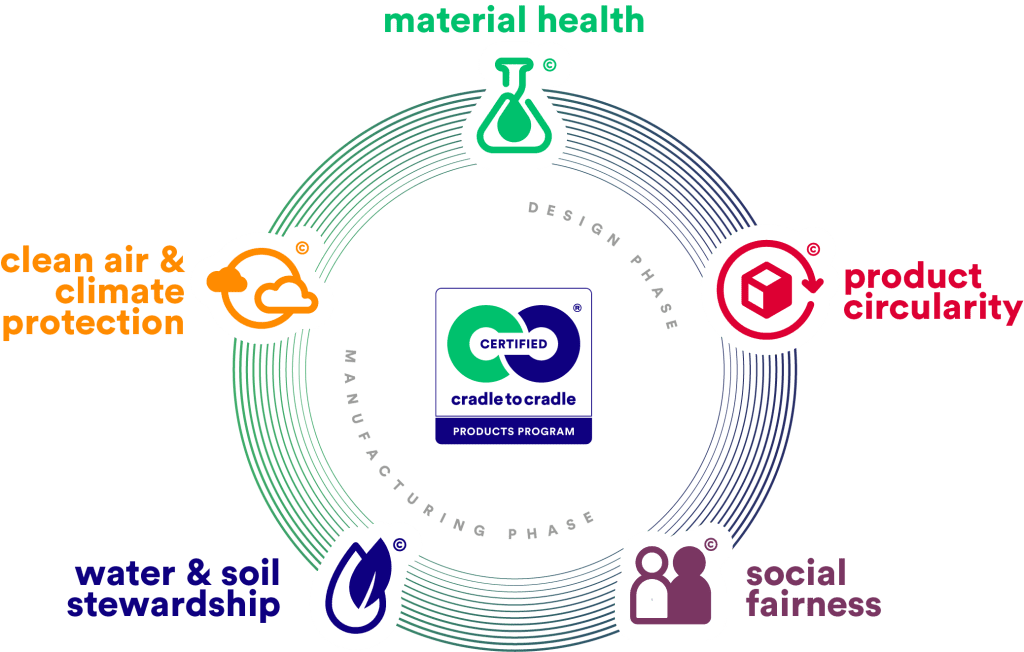
The organisation empowers the shift to a circular and equitable future by setting a global standard for materials, products and systems that positively impact people and the planet. Designers, brands, and manufacturers use their certification, based on their Cradle to Cradle Certified® Product Standard framework, globally across industries to design and make products that enable a healthy and sustainable future. They help companies to innovate and optimise materials and products according to the world’s most advanced science-based measures.
You can check their certified products here.


 House Thirty
Leave a reply to Us, the consumers – why we are so important! – House Thirty Cancel reply