
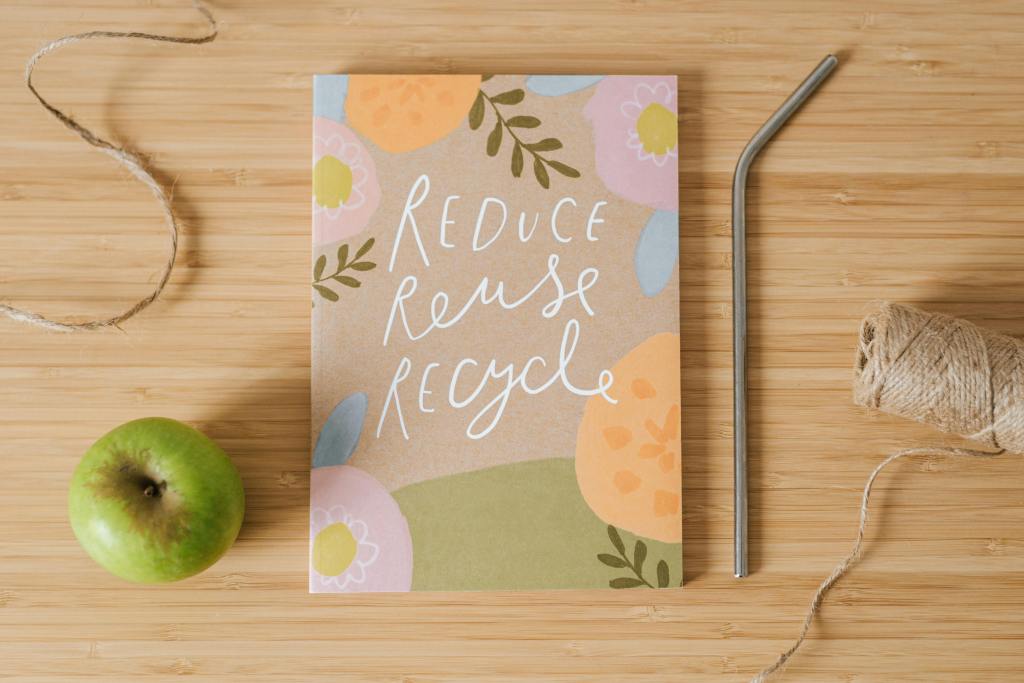
We often see gorgeous stainless steel and glass-only pantries on zero-waste influencers’ pages with their flawless zero-waste lives and think, “I would love to live like that, but it’s so pricey and unattainable to me!”. I felt like this when I started my sustainable journey a couple of years ago. Comparing my sustainable journey to those who have been through it for so long made me reluctant to start and afraid I would get it wrong because I didn’t have the same budget. It took me a while to realise that sustainable living and zero-waste practices can be adopted regardless of your budget.
You can participate in this super important movement with all the mismatched jars, stained, handmade produce bags, and items you already own. Living a zero-waste life means making do, repurposing and repairing what you have. With that in mind, we’ve selected 12 tips for you to embark on your zero-waste journey, confident that looks aren’t important and that you can make a difference on a smaller budget.
Simplify your life

Decluttering, reducing your consumption and removing unnecessary distractions will help you save money and help you move towards a more sustainable and mindful way of living. A lot is said about minimalism and the cold extremes of it. By embracing a minimalist way of living, you focus on owning and using what is most necessary in your life. Decluttering your space and donating or selling items you no longer need will cultivate gratitude towards the things you have and appreciate them. By simplifying your life, you tell yourself that less is more, making you see new items and trends in a different, unnecessary light.
Conscious Consumption

In a world of shopping hauls and fast-changing trends, we often get caught buying a lot more than we need. This bad habit stretches from clothing shopping to groceries and random knick-knacks we see online, influencing us into buying. A way I have developed to avoid being influenced into buying things I don’t need or would be a spur-of-the-moment decision to make me feel better is to create a list of things I would like to purchase and revisit it in a couple of days, weeks or months to see if I still feel the need of buying it. When I’m out shopping, I also imagine how often I would use or wear that item and see if I could see it in the long run. The honest, harsh truth is that we don’t need 10 pairs of jeans, 5 coats, and random items from Temu, Amazon or Aliexpress to live. Honesty and distinguishing wants and needs are the first steps to starting a zero-waste, low-impact life.
Reuse glass jars and containers
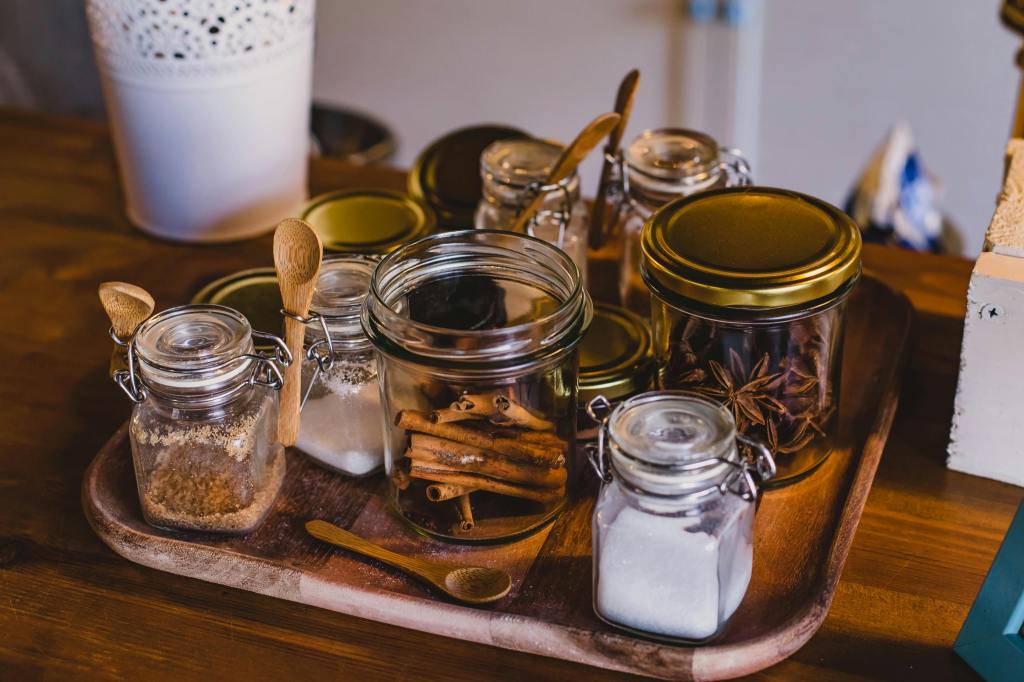
We all look at matching sets of mason jars and imagine our kitchens and pantries beautifully decorated with them. But let me repeat it: we don’t need fancy, expensive stuff to live a zero-waste life. Often overlooked, we come across mason jars in our daily lives when grocery shopping: tomato sauce, jarred beans, mustard, jam, and pickles are easily accessible foods we often buy that come in glass jars with a lid that can be reused at home. Wash the jars, remove the label with the help of vinegar, and use them to pack your lunches, leftovers, vegetables, sugar, grains, and anything else. Being frugal and crafty will save you some bucks and help save the planet.
Purchase second hand
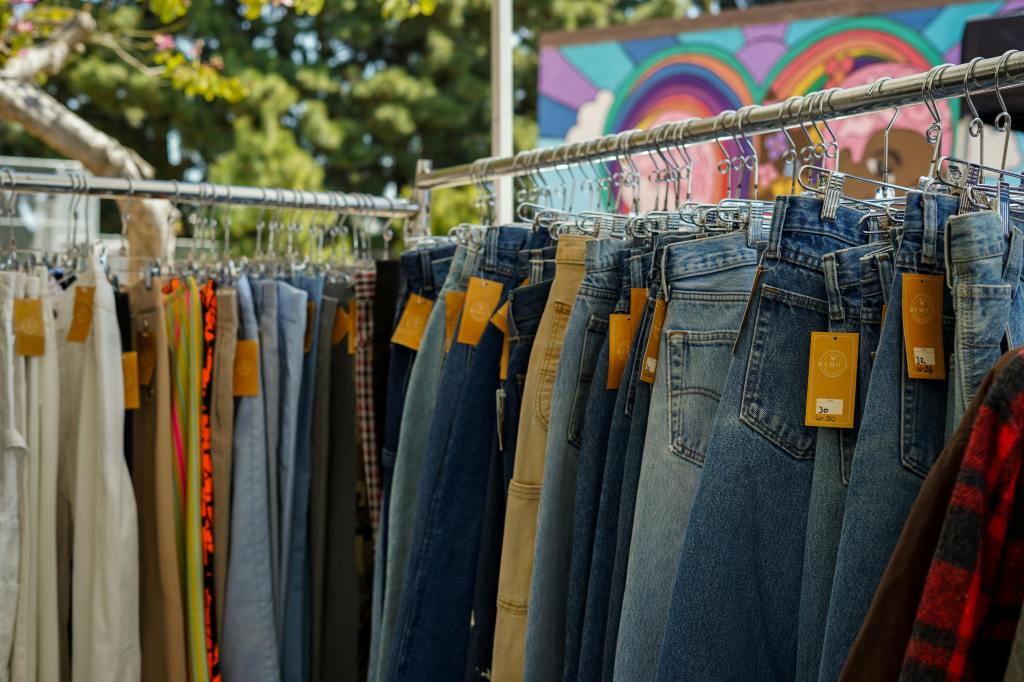
Buying second-hand items will help your wallet and give items a second life, prolonging their lifespan and contributing to a reduced environmental impact. Frequenting local second-hand stores will allow you to find unique pieces from your community while contributing to local businesses and charitable organisations. The magic of second-hand stores and flea markets is that you can find a little bit of anything you need. Let yourself be impressed with all the unique finds and take a step towards conscious consumerism.
Use refillable stationery & pens
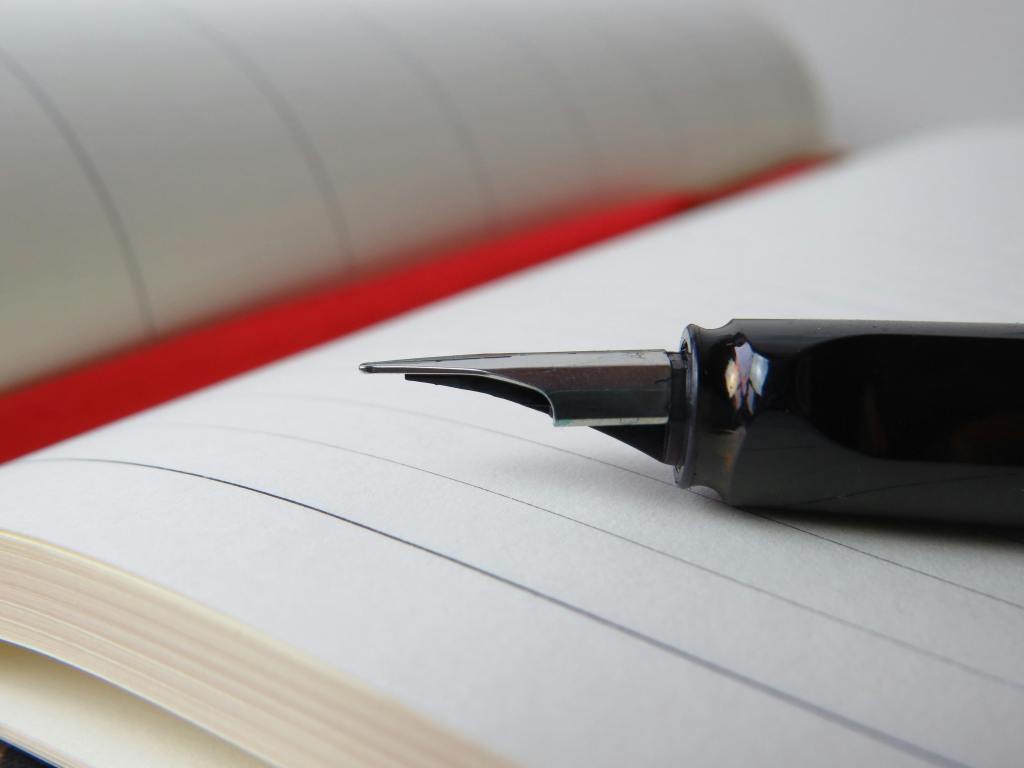
I have yet to know someone who does not enjoy buying stationary items, even occasionally. Amid our technological world, using pen and paper to take notes or to work and study is still essential in our daily lives and will hardly be replaced entirely. Finding refillable items that we don’t have to throw away once their inks run out or we don’t have paper left can significantly reduce your negative environmental impact.
Refillable notebooks allow you to buy their cover once and purchase the paper refill you need. You can buy different types of paper based on your current needs and easily mix and match the refills you use.
When it comes to writing, refillable pens and highlighters are a great way to reduce the amount of single-use items in your life. Replacing the ink cartridge in your favourite pen prevents us from having to discard the entire body of the pen and have it replaced.

 House Thirty
Leave a reply to Zero Waste 101: Frequently Asked Questions – House Thirty Cancel reply