

Ah, spring! It is the most awaited season after winter, where temperatures start reaching double digits, and colours fill our days with joy. It is also when we start opening our windows to the fresh breeze and sweet melody of birdsong. The season of new beginnings and nature’s awakening is the perfect moment to give your home its annual deep cleaning and decluttering. Take the time to reset and start fresh.
But don’t worry; spring cleaning doesn’t have to be complicated or intense. Start room by room and take it lightly over a few days or weeks. Keep reading for more info on tackling your spring cleaning most sustainably!
Use natural cleaning products
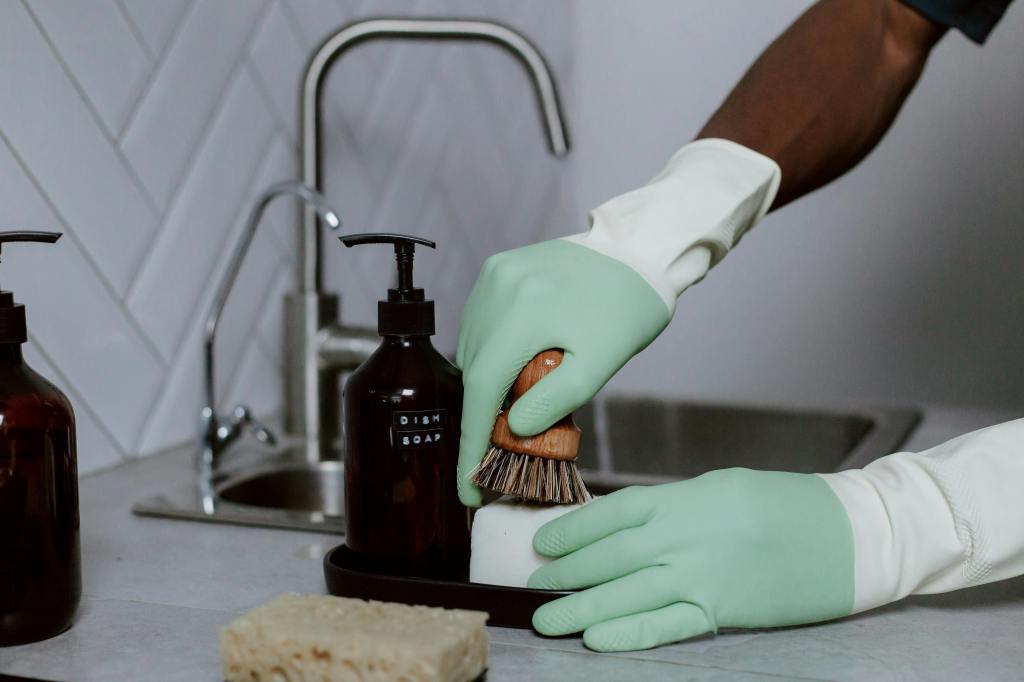
Natural cleaning products are kinder to our health and surfaces and the best environmental choice. Free from harsh chemicals that pollute our water streams, sustainable cleaning products leave little to no lasting impact on the environment throughout their lifecycle. Baking soda, white vinegar, salt, and lemon are excellent, practical, plastic-free, sustainable products to clean up with this spring.
However, if you’re looking for more options on sustainable cleaning products, check out our blog post, where we selected some sustainable cleaning products brands to look out for here.
Use reusable cleaning materials and tools
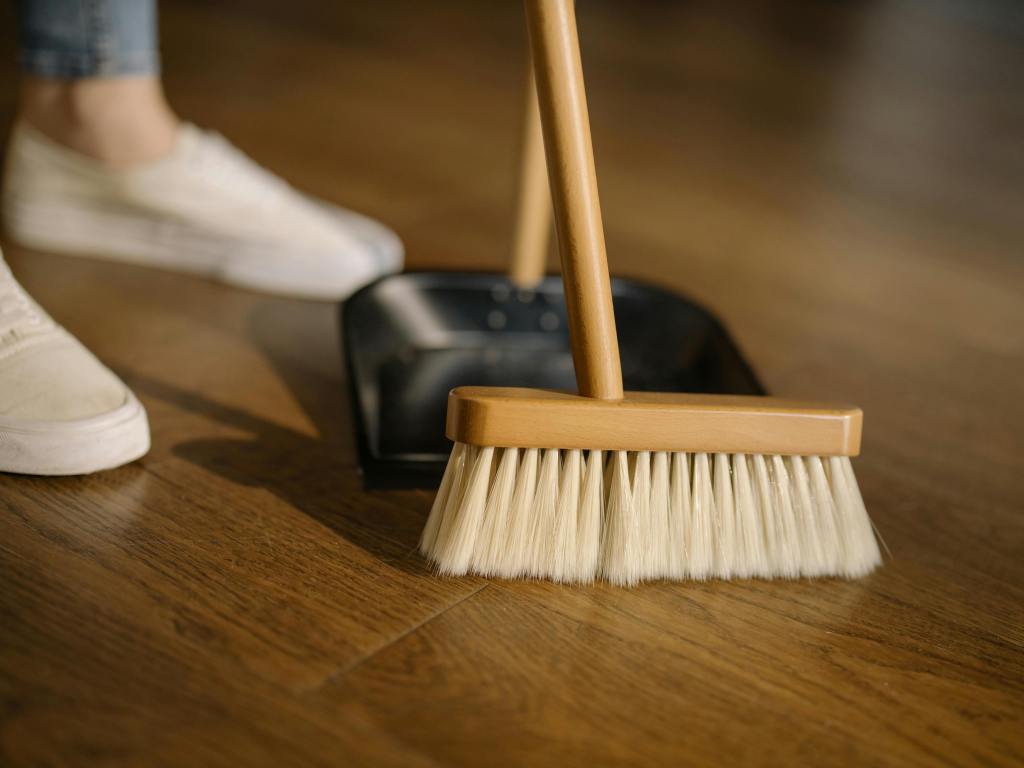
Spring is a time for new beginnings. If you still need to ditch your single-use cleaning supplies for their reusable versions, there’s no better time than now. Choose microfiber towels to clean instead of single-use wipes and paper towels, and go for coconut scrub pads, bamboo scrubbers and natural loofahs instead of plastic sponges.
Check out our post on sustainable household items to switch to for more ideas.
Donate, Rehome or Sell it

We all have clothing items, household decoration pieces, or other things that have been in the back of our closets or ignored for far too long. Whether it is clothes that don’t fit anymore, books you have already read, or that old bike that is too small for you, they can still live a happy life with someone else. Give them the chance to continue their lives and brighten someone’s day, just like you did when you first got them.
There is no correct answer when it comes to prolonging the life of an item. The correct answer is what best works for you. You can donate to an organisation, rehome it to a friend or family member, or resell it. What’s important is that we give everything a second chance and not throw it away.
E-waste: Trade-in or recycle

Most of us have some e-waste in a drawer or wardrobe somewhere. It could be your old phone or that computer that mysteriously stopped working one day. Properly discarding your old electronics is particularly important, as e-waste is incredibly hazardous to people, animals and the environment. Fortunately, proper disposal is more straightforward than it seems. Many electronic retailers and brands, such as Apple and Samsung, offer trade-rain programs where you can give your old device back and, depending on the model and state, receive a sum back that can be used to purchase a new product. If your product does not qualify for cash-back, they still offer the service to discard it for you properly. Other than trade-in services, check with your local community to find recycling or donation programs for used electronics or e-waste.
Repair, fix or repurpose
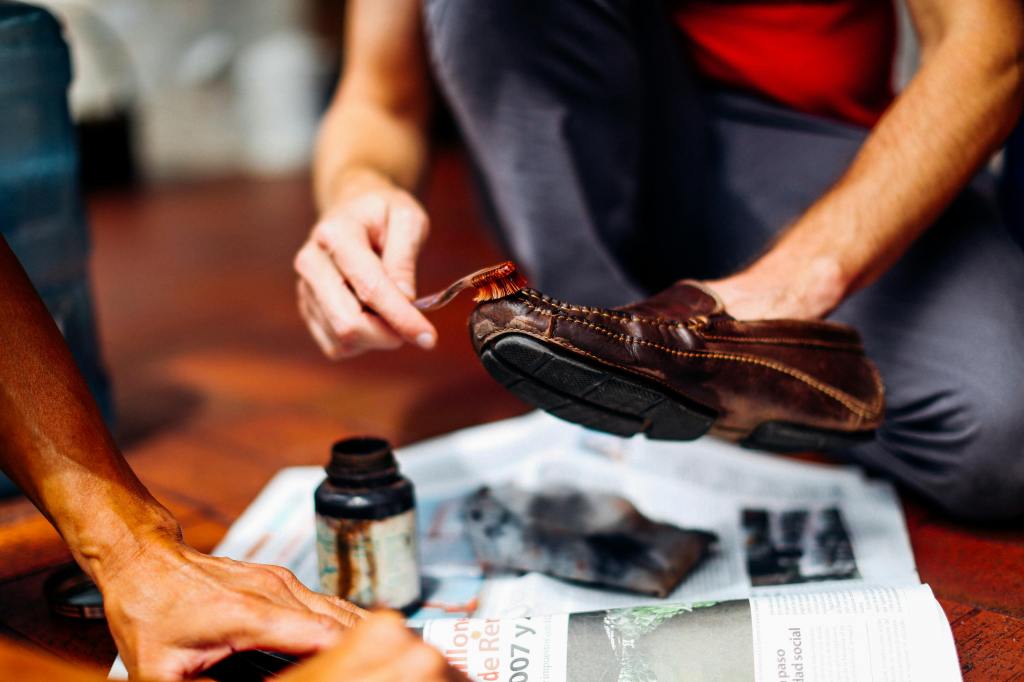
It’s not because it’s broken that it needs to go. Take up a challenge and give your broken or in need of repair items a second chance by repairing them yourself or taking them to a professional. Nowadays, our minds often go to buying a new item when one breaks rather than giving the existing one a new life. Repairing old items saves us money and prevents items from going to landfills, yet we don’t think twice before buying a new one. Can you imagine what those from past generations would think of us?!
For unfixable items or items you don’t want to restore to their original use, consider upcycling them. A ripped pair of jeans or a broken zipper can become shorts or a tote bag. Old ripped shirts can become dust rags and mops, and old water bottles with no caps can be used to water plants.
Recycle
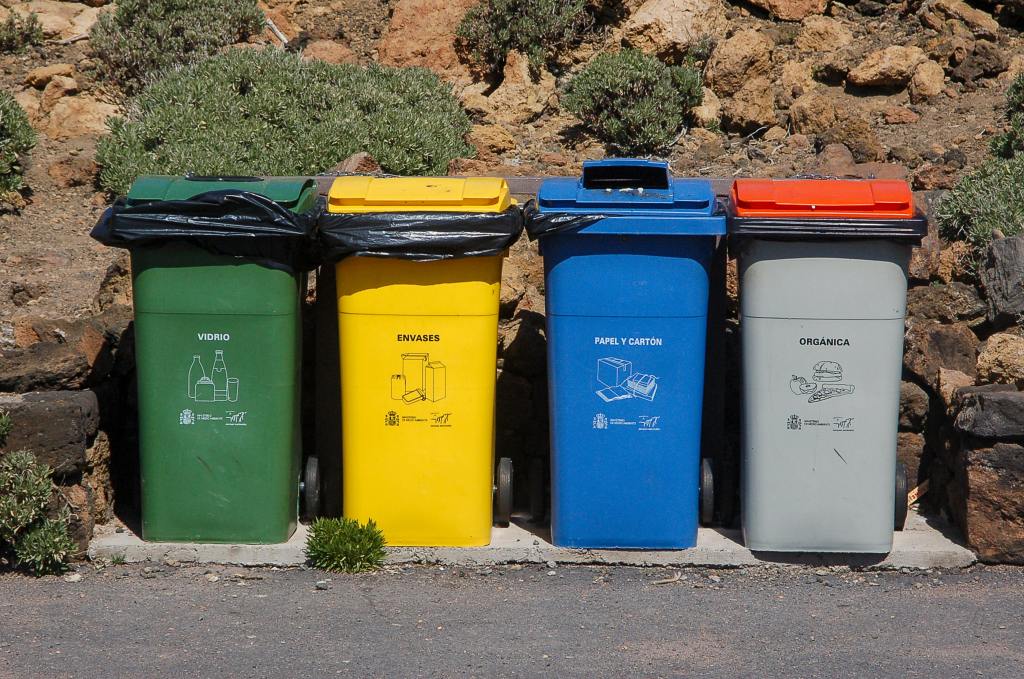
Spring cleaning is not only about cleaning your house for the year; it’s about new beginnings and setting more sustainable habits. If you still need to start, introduce recycling to your daily life this year. Read and educate yourself on how to recycle, your community’s rules on recycling, schedules and guidelines to ensure that your recyclables are correctly sorted. Visit your local recycling centre for the hard-to-recycle materials that can only be discarded there, and minimise waste from going to landfills.
Leave it to air-dry

Spring means saying hello to the sun and longer days. Use this gift to your advantage. Leave your clothes and textiles to air-dry, and say goodbye to your dryer until the end of summer (at least!). Machine drying your clothes accounts for 75% of your laundry’s total carbon footprint. By leaving your clothes to air-dry, you help reduce the climate impact of your laundry by 67%.
Go paperless
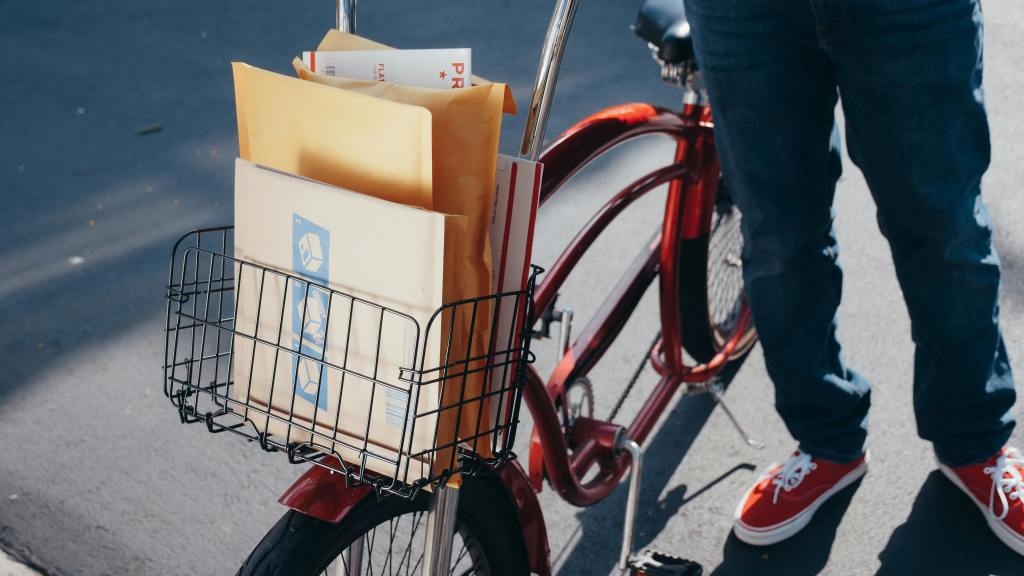
Say no to junk mail. While sorting through piles of letters, bills, or supermarket pamphlets, take a moment to write down which mail you can unsubscribe from or select only to receive online mail. Most banks and companies nowadays offer to send bills, payslips, and other correspondence online. It might take you a minute to do all this, but it will save our planet many more.
Say goodbye to clutter

Clutter and unclear spaces can lead to stress and depression while making it hard to focus on tasks. Decluttering and cleaning your home can help you gain control over your environment and give you a sense of satisfaction, destressing you. In this season of new beginnings, gain control of your environment and improve your mood by decluttering all your unneeded items and giving them a second life.

 House Thirty
Leave a comment