
Making the switch to cleaner beauty products can seem daunting. It’s tough to tell what is clean when products are often advertised as such or as a green offering. The clean beauty industry is riddled with greenwashing, or should we call it clean-washing? With thousands of brands offering a “clean” or “natural” alternative to big-box beauty.
The European Union is a leader in the banishment of several toxins in cosmetics and personal care products. They have listed and banned approximately 1,600 toxic ingredients due to their carcinogenic, mutagenic, risk of harmful health effects, or adverse effects on reproduction. In comparison, the USA has only banned 11 ingredients. Regarding other countries worldwide, Canada has almost 600 banned ingredients and provides a cosmetic ingredient hotlist.
So where should we look? Now that few ingredients are banned in some countries, certifications allow companies who care and strive for less toxic ingredients to voluntarily formulate products that meet a higher standard. There are 5 reputable certifications to consider when approaching a natural or clean beauty product. We have included ECOCERT COSMO, EWG Verified, USDA Organic, Made Safe and NSF. In addition to these certifications, other notable mentions to look out for include Fairtrade, B Corporation Certified, and 1% for the Planet. Please take a look at our recent blog post on these certifications here.
Lets take a deeper dive into the 5 listed certifications above!
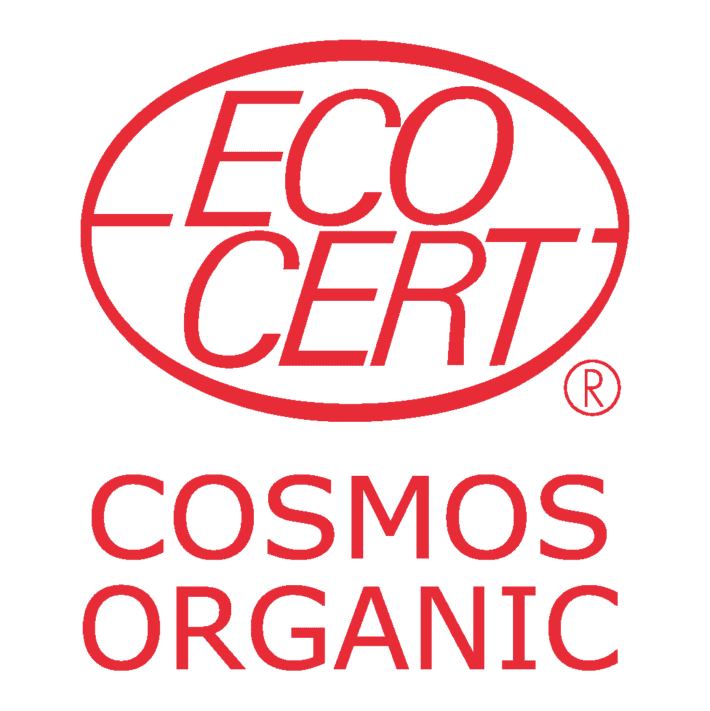
ECOCERT – COSMO
EcoCert Cosmo is an internationally recognized standard explicitly created for cosmetics. The certification ensures that verified products are eco-friendly in their production, processing and respect for human health, utilize or contribute to green chemicals, responsible resource usage, respect for biodiversity, petrochemical-free, GMO-free and recyclable packaging. Products that have achieved this certification are created from 99% natural origin. The certification promotes organic ingredients, and the products must have a 95% minimum of organic plants. This percentage can vary due to the significant presence of water in cosmetics.
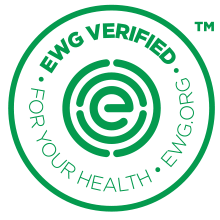
EWG Verified
EWG verified has approved 2405 products to date and this number is expected to increase. EWG was created to push companies to make healthier products for consumers. With the goal that all products be free from harmful chemicals, they have created a list of ingredients that are harmful to our health, a source of eco-toxicity, or contribute to contamination. To achieve this standard, companies must provide EWG with a complete list of ingredients, including fragrances. Ensuring brands are participating in full transparency. EWG has been providing product evaluations for 14 years and is backed by science as a team of scientists, toxicologists, chemists, and epidemiologists.
MadeSafe
Made Safe has been driving change since 2015, with a goal and focus centred around humans and ecosystems. This certification screens for over 6,500 banned and restricted substances. To achieve this certification, Made Safe requires manufacturing transparency and analysis of potential pollutants, including probable carcinogens, endocrine distributors, toxins, etc. They have provided a list of restrictions here.
USDA Organic
To be certified, products must be produced with agricultural production processes that foster resource cycling and ecological balance and maintain and improve soil and water. USDA offers a few different organic labels: 100% organic – meaning that it needs to contain 100% organic ingredients (excluding salt and water); organic – 95% organic ingredients (salt and water not included); the remaining 5% must be on a list, made with organic, 70% organically produced ingredients with a detailed list of non-organic components.
NSF Personal Care and Cosmetics
NSF offers a rigorous certification process, including product testing, material analysis, and unannounced plant visits. It does not provide a one-time certification but requires products to be re-tested and evaluated to maintain verification. NSF verifies various sectors, including food and beverage, water systems, life sciences, nutrition, personal care, and transportation. Within personal care, they include cosmetics and personal care products as well as dietary and nutritional supplements.

 House Thirty
Leave a reply to Mineral Sunscreen, why do we love it? – House Thirty Cancel reply