
Up-cycling has become more popular within the fashion industry! In fact, the Ellen MacArthur Foundation cited that the second-hand clothing industry is expected to grow 1.5x the size of the fast fashion industry by 2028. This is not only from consumers but also designers. Many are looking for a more sustainable approach to fashion. In 2023, the sector contributed 97 million tons of waste, 18 million of which comprised leftover textiles. With so many textiles ending up in the garbage and the increasing waste associated with the industry, it would be silly not to try up-cycling existing garments.
Using second-hand materials can be laborious for a designer, and sourcing materials can be tricky. While they can find unique, one-of-a-kind pieces, many consumers don’t love the one-of-a-kind aspect that they bring. Many wish to get their hands on that trending item. Especially as we live in a society with such a rapid trend cycle due to social media presence. Although there are trends that suggest this is changing, with more individuals purchasing online, and the presence of online second-hand marketplaces, shopping up-cycled has never been easier.
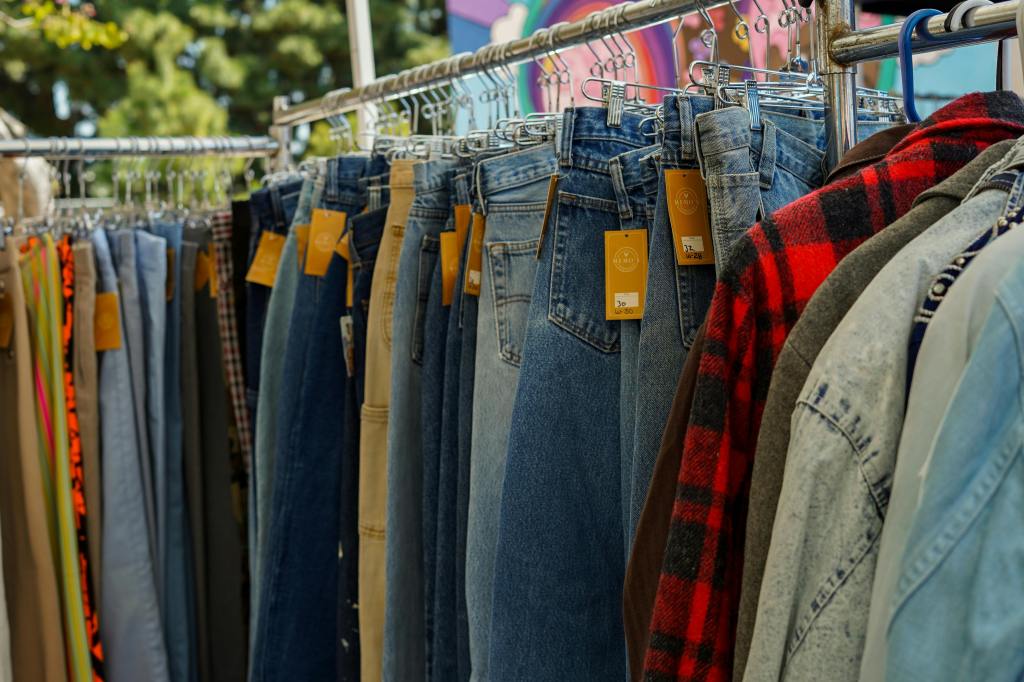
Why do we love up-cycling?
Up-cycling is a great way to promote sustainability in the fashion industry and with consumers. It offers a way for consumers to seek unique, one-of-a-kind pieces rather than purchasing the same items as everybody else. Highlighting personal style and individuality, which we LOVE and encourage! These items can become heirloom pieces in anyone’s wardrobe while contributing to lowering the planet’s burden by using existing items.
At its core, up-cycling is using pre-existing textiles to change or produce a new item. If you are handy with a sewing machine or embroidery, this could be as simple as adding a new design to your t-shirt or cropping your shirt. Now we know you could do this yourself, although some of us may not have the tools necessary or might not be too handy with sewing. Fear not; many brands include up-cycled items! Either operating as a fully circular model, rentable options or provide up-cycled lines of clothing. We wanted to share a few with you ranging from small to large scale businesses.
Small Business Feature: Meet Zuko Blue
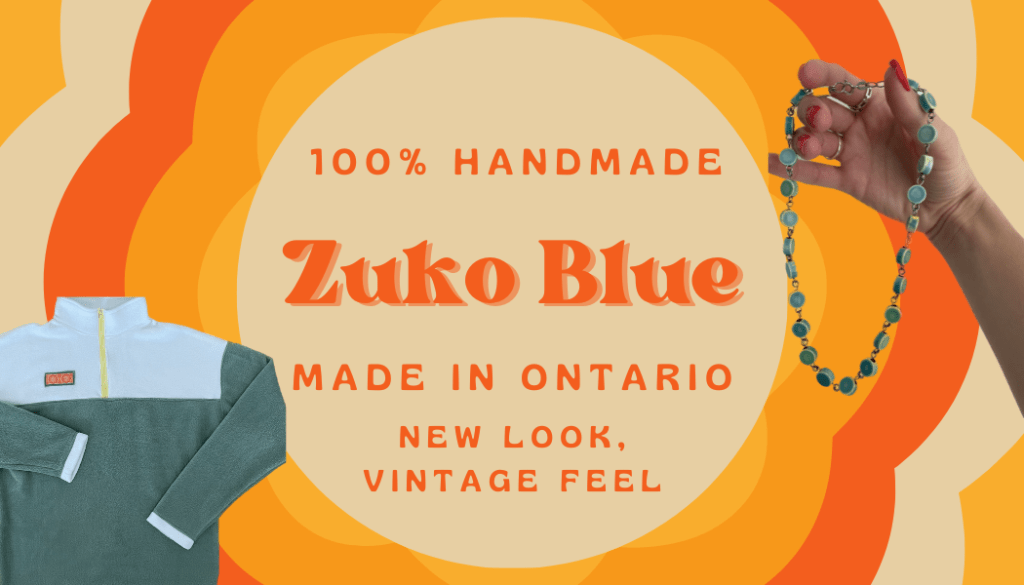
Zuko Blue began as a passion project for Christina Hall 10 years ago. Starting in high school, with up-cycling projects that included cropping, swapping sleeves, and alterations. Her customer base at the time consisted of friends and classmates from her school. The brand evolved to pop-up sales, where Christina felt Zuko Blue could really be something special. As her journey continued to university, she brought her sewing materials with her to continue to grow Zuko Blue with the help of her creative and generous friends, who lent their skills in marketing and photography, increasing brand awareness!
“My clothing creations weren’t exceptional, but they were different, and I think that was enough. At a time when everyone dressed as Brandy Melville mannequins, Zuko Blue stood out.” – Christina Hall
The brand evolved again in 2019, including custom order forms, generating a lot of success for the brand! Christina grew alongside her brand, and even though items have changed with the seasons, she has remained focused on sourcing second-hand materials and making pieces that make customers feel unique and confident.
Q&A with Christina
Q: What future trends do you predict for up-cycling and sustainable fashion?
Sustainable fashion is such a growing market as people are becoming more aware of the impact of textile production and waste. In 2024, I think we will see many more demographics and groups adopt thrifting as their go-to shopping method. A trend I am hoping for is a decrease in overconsumption. With thrifting especially, it is easy to cycle through your wardrobe, constantly buying, wearing, disregarding, and donating. We trick our brains into thinking this quick turnover is acceptable because the item was bought second-hand for a bargain. I hope it becomes trendy to consider the necessity of each purchase.
In addition, visible mending and versatile fashion will gain popularity. I think people will want to show off their creative solutions for repairing a rip or covering a stain. I am expecting to see more visible mends like this:
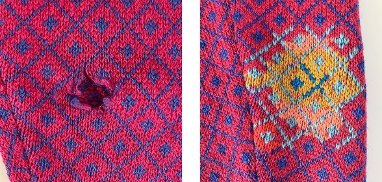
Finally, as people start to change their shopping habits, they will look for items that can give them multiple looks in one. This could include tops that can be worn in reverse, or inside-out, or pants that can be zipped into a skirt. The more ways you can wear your clothes, the less clothes you will need.
Q: How do you view sustainable fashion?
It is hard to understand what sustainable fashion really means when “sustainability” is a buzzword used in various opposing contexts. The definition of sustainability that I use encompasses 4 main sections, and because this is just how my brain works, I made up an acronym to help remember them.
Introducing: V.E.R.D.
V: Is the item Versatile? Does it match many pieces I already own? Can I wear this item in various settings? Bonus: Is this item reversible or convertible?
E: Is the item Ethical? Was this item made in a place where the employees are compensated fairly? Is the company following appropriate standards? Is this information public?
R: Is this item Recycled? Is this item made from all or mostly recycled materials? Can this item easily be broken down after its life with you?
D: Is the item Durable? Can I wear this item every day and not worry about wear or tears? Can I mend this item, and will it hold my repair?
I understand these are lofty aspirations for an item of clothing, but if your item can pass the V.E.R.D. test, you should be proud to wear your wonderfully sustainable garment.
Q: What advice do you have for anyone interested in building a more sustainable wardrobe? Tips for someone who wants to get into up-cycling?
The best advice I can give someone wanting to build a more sustainable wardrobe is that you don’t have to start from the ground up. A large part of sustainability is using what you already have. Sort through your closet, keep the items you love and make a pile of the clothes you don’t need anymore. This is your chance to give pre-loved clothes to your friends, turn old, stained t-shirts into cleaning rags and donate quality pieces to your local charity shop. Now, you can fill the gaps in your closet with sustainable pieces. Building your dream sustainable wardrobe may take time, but that’s okay. Welcome, slow fashion.
For anyone who wants to take it a step further and get into upcycling, I would recommend digging through your unwanted pile of clothes. Giving your old favourite some new life is exciting and a great place to start. You can do so many alterations by hand, but if you are excited about this, look on Facebook Marketplace for a used sewing machine. Especially if you live in a city, there are countless postings, many of which include a bundle of sewing supplies you’d need to get started. From there, I recommend utilizing free sewing resources like YouTube videos and printable patterns to better understand essential techniques.
Finally, remember to be patient with yourself because most good things take time.
Other Brands that Up-cycle
Levi’s Strauss
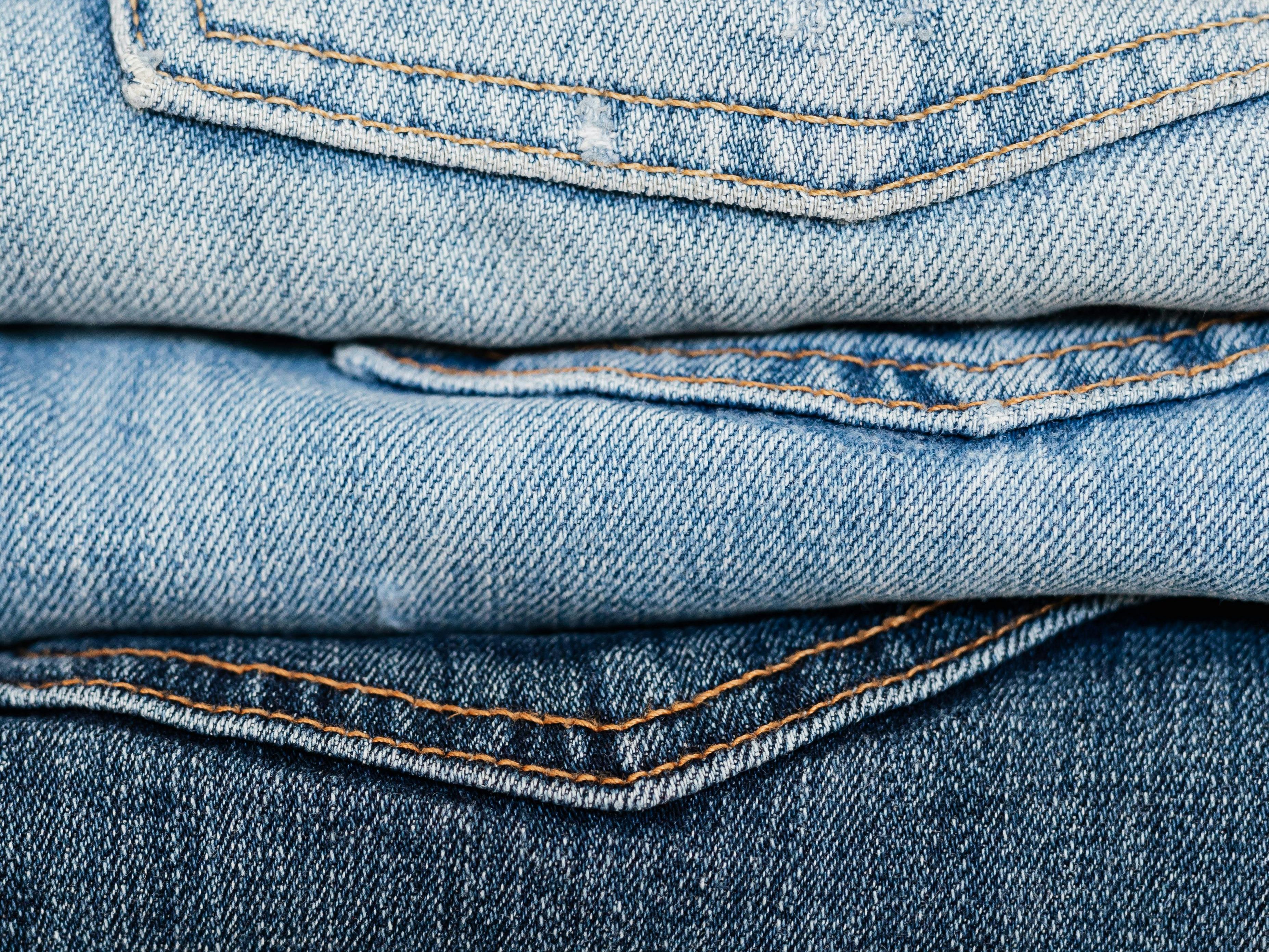
The well-known denim house has created an Authorized Line of vintage denim. With in-house repair stations in San Francisco and New York, yay for repair! Which is a great step in the right direction as we know the environmental impact of denim is quite large. If you are new to learning about denim’s impact, check out this Life Cycle Assessment by Levi’s.
Patagonia Worn Wear
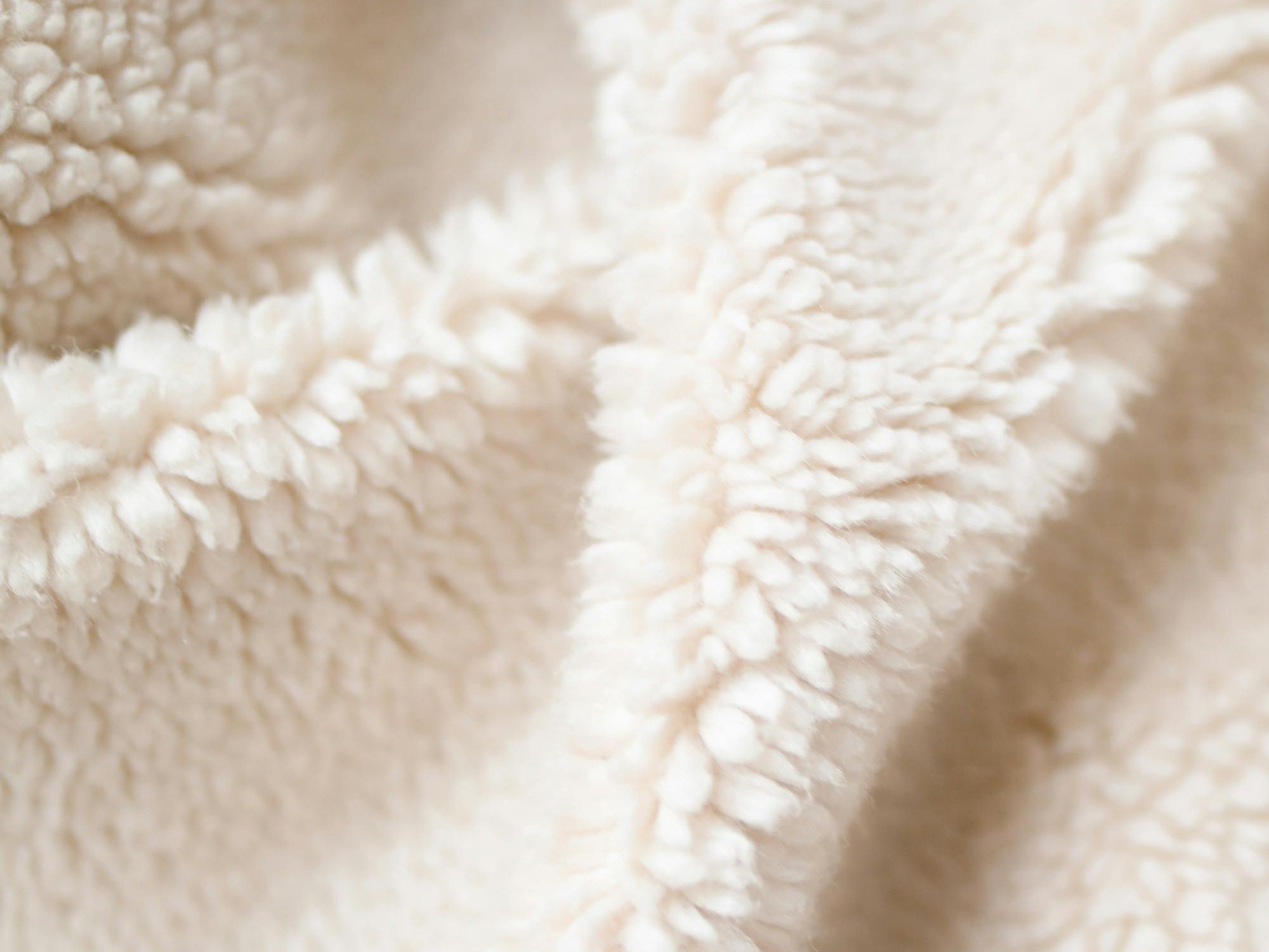
Outdoors brand Patagonia has long been an advocate for sustainability. The company has implemented a up-cycling program, where consumers can trade in or buy used Patagonia items. A great way to get your hands on a vintage fleece!
Farm Rio
Brasilian fashion company Farm Rio prioritizes sustainability in its practices, emphasising circularity. The company utilises surplus fabric and invests in lines designed to have a lower ecological footprint. The company circulates products among employees and customers through their RE-FARM fair, which includes pilot pieces or unsold merchandise to provide items with a second chance at life.

 House Thirty
Leave a reply to How to start Up-Cycling at Home – House Thirty Cancel reply