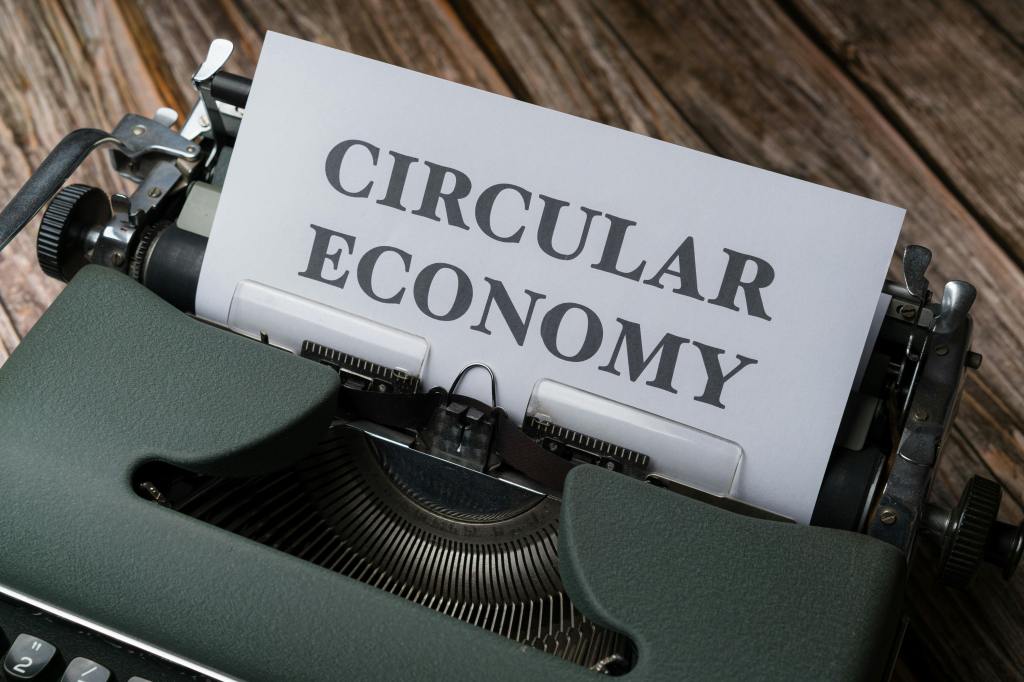
Whether new to sustainability or well into the weeds, you have heard the word circular thrown around, likely in various conversations, articles or posts online.
These conversations on the topic have a rich history, dating back many years to the mention of cradle-to-cradle by Michael Braungart and Bill McDonough’s concept, a term credited to be coined by Walter Stahel in 1976. This concept, deeply rooted in designing for effectiveness, aims to produce products with a positive impact. It draws inspiration from natural systems, where waste is not a concept. Everything is from something else; biological nutrients should be returned to the soil, while technical nutrients should be used repeatedly.
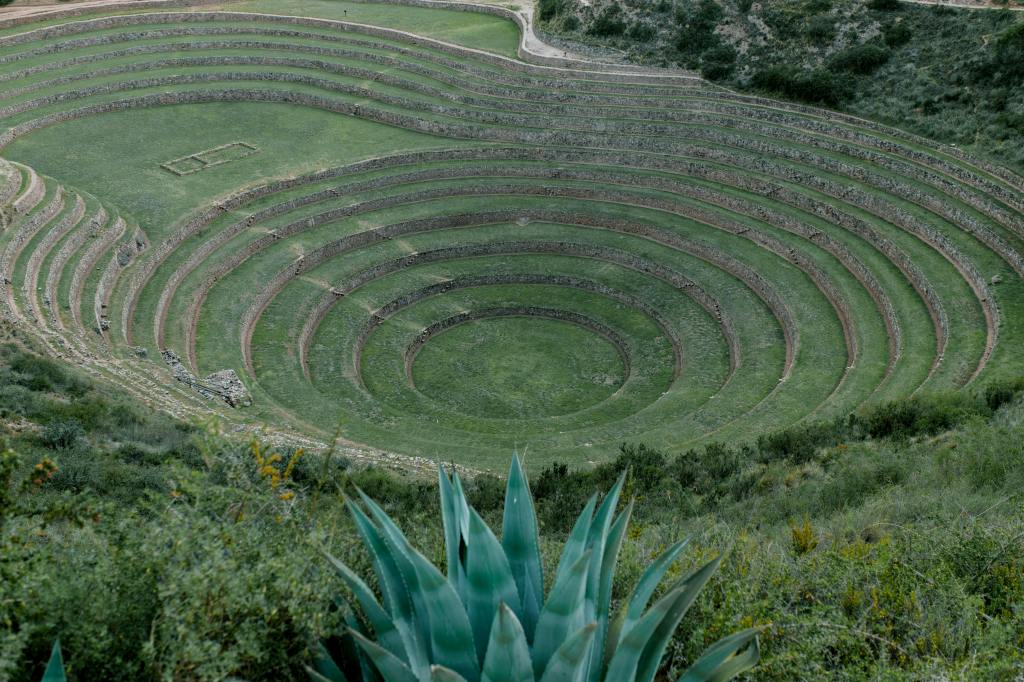
The current focus in sustainability discussions is on transitioning to a circular economy. This means designing products and systems to minimize waste and pollution, promote the reuse of materials, and contribute to the regeneration of nature. In a circular economy, products are planned to have a life beyond their initial use. They are made to be easily disassembled, with their components being reused or recycled. This minimizes waste and the need for new resources.
This concept differs from our current approach. We operate within a linear economy, extracting resources, producing goods, and eventually disposing of them. Many of our materials are not renewable, and a significant portion of what we make is waste. This linear model originated during the Industrial Revolution, which brought prosperity and job opportunities but led to excessive consumption and waste.
So, what does the circular model look like?
Here is the butterfly diagram, sharing the biological side and technical side of the circular economy. The circular model is based on a system that prioritses that materials never become waste, and the environment is regenerated.
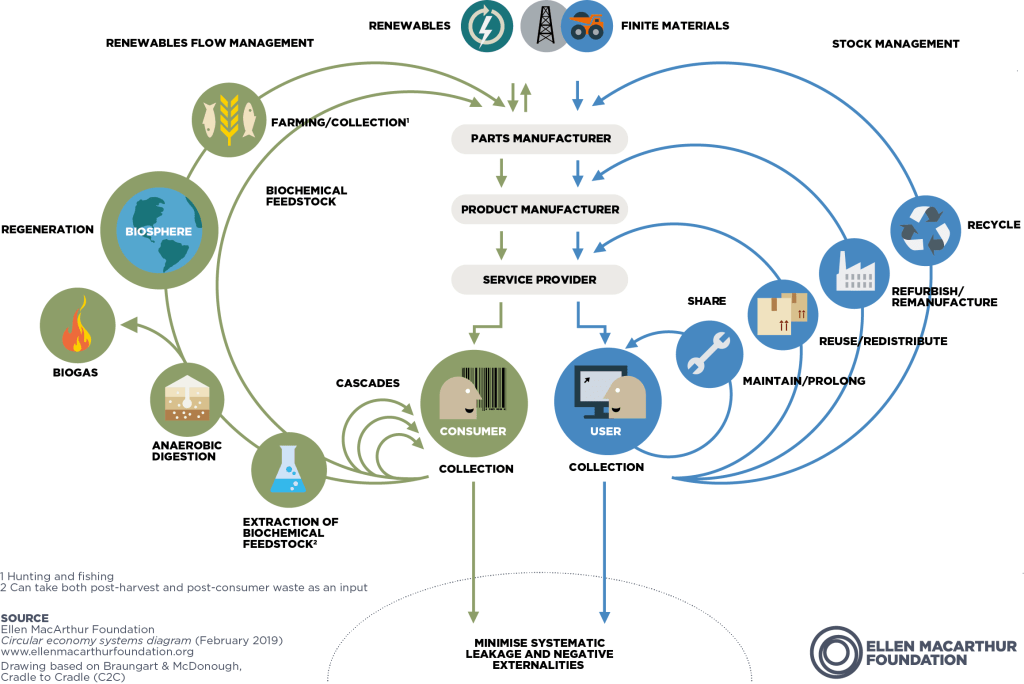
Image Credit: The Ellen MacArthur Foundation.
Transitioning to a circular economy presents challenges, but it also offers the potential to alleviate resource depletion, waste, and pollution while fostering economic growth and creating job opportunities.
Switching to a circular model is crucial for addressing climate change and biodiversity loss. It involves a shift in our mindset, becoming more conscious of our resource usage and thinking in a way that promotes continuous production within a looped system rather than leading to waste. This transition is not solely the responsibility of governments or businesses. Individuals, businesses, and policymakers all have a role in driving this change, and their collective actions can lead to future successes in sustainability.


Leave a Reply